REVIEW · HO CHI MINH CITY
2-Day Mekong Delta Tour with Homestay
Book on Viator →Operated by BestPrice Travel., JSC · Bookable on Viator
The Mekong Delta feels personal fast. This two-day Ho Chi Minh City escape mixes big sights like Vinh Trang pagoda with hands-on countryside time: boats through canals, a coconut-garden stop, and a homestay in Ben Tre. I especially like the Ben Tre homestay dinner setup and seeing Cai Rang trading from the water on Day 2.
The only real drawback: the schedule is packed. You’ll spend plenty of time on boats and in vehicles, so build in a relaxed attitude and don’t plan anything intense right after it ends.
In This Review
- Key things I’d circle before you book
- Mekong Delta, without the long-trip headache
- Vinh Trang pagoda and Mekong waterways by boat
- Coconut candy, honeybee tea, and village riding on xe loi
- Thanh Thuy coconut garden: food, craft, and the landscape link
- Lunch by the river and fruit breaks that keep it human
- Ben Tre homestay night: the part you’ll remember
- Can Tho time after a long day: a break that helps
- Tan Phong Island bike tour and handicraft workshop time
- Cai Rang floating market: seeing trade, not just photos
- Getting back to Ho Chi Minh City (and keeping your energy)
- Price and value: what $289 buys you (and what it doesn’t)
- Who this tour suits best
- Quick practical tips to make it smoother
- Should you book this Mekong Delta homestay tour?
- FAQ
- How much does the 2-Day Mekong Delta Tour with Homestay cost?
- How long is the tour?
- What time does the tour start, and where do I meet?
- Is there a homestay with a local family?
- What floating market do you visit?
- Do you take boats on the Mekong?
- Is there a bike tour on this trip?
- What transportation and tickets are included?
- How big is the group, and are there minimums?
- What is the cancellation policy?
Key things I’d circle before you book
- Ben Tre homestay with real dinner prep instead of just a quick photo stop
- Canals by boat and rowing sampan time for a closer view of river life
- Coconut-candy making and garden visits that connect food to place
- Xe loi motor-cart village riding for slower, more local road time
- Cai Rang floating market by motor boat plus a chance to browse the local market
Mekong Delta, without the long-trip headache
This tour is built for a simple goal: get you into the Mekong Delta while you’re still based in Ho Chi Minh City. You’re not just seeing postcard landscapes. You’re moving through the water network, small canals, and village routes in the same day, then finishing with an overnight homestay experience.
The value here is the mix. You get formal landmark time (Vinh Trang pagoda), traditional food experiences (coconut candy and honeybee tea), and a real “you are in someone’s life” moment through the homestay dinner.
You can also read our reviews of more tours and experiences in Ho Chi Minh City
Vinh Trang pagoda and Mekong waterways by boat
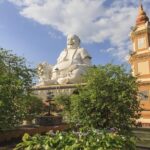
You start with a visit to Vinh Trang pagoda, one of the Mekong region’s best-known landmarks. Even if you’re not a hardcore pagoda person, it’s worth taking your time here. It’s a major reference point for the area, and it helps you understand why people treat this region with reverence.
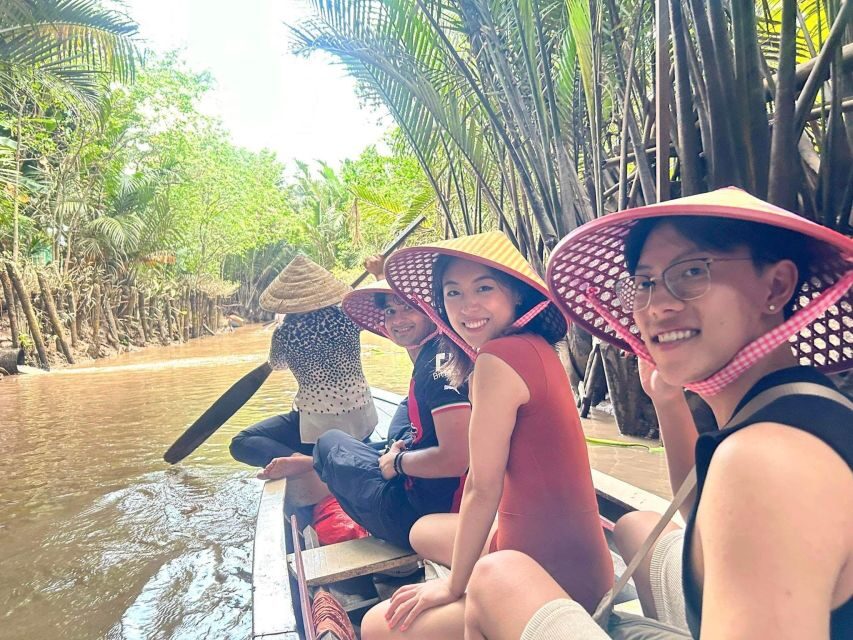
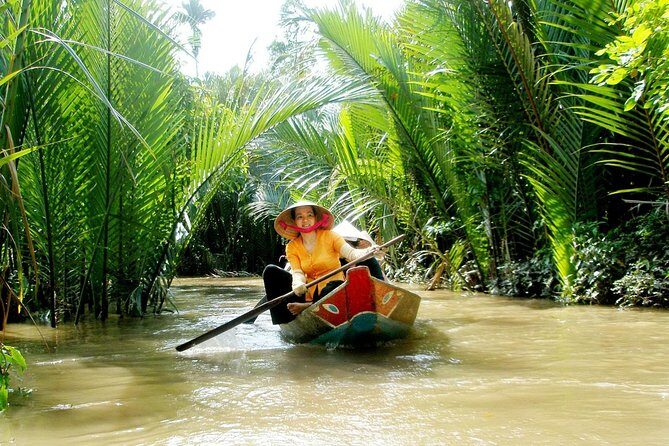
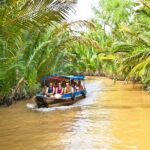
After that, you get a long stretch of river time: about three hours for boating and free walking in the Mekong Delta area. This is where the tour becomes more than a checklist. You can wander at your own pace and then shift into the river rhythm again.
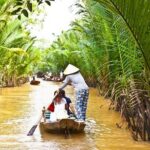
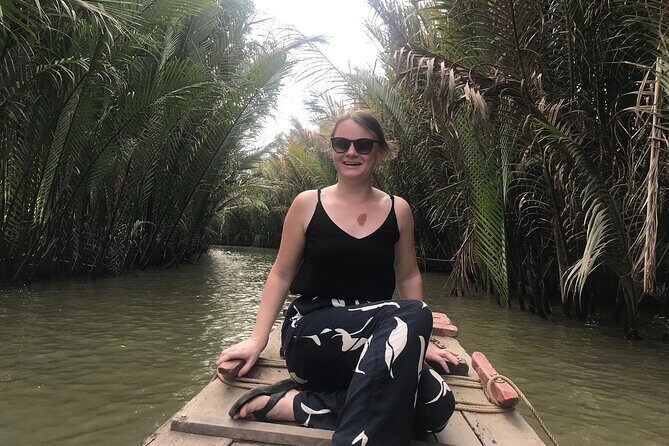
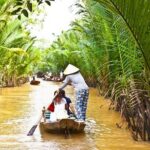
The best part for me is the smaller waterway segment: exploring small canals by rowing sampan. A motor boat is fast and scenic, but the sampan feels different. It’s quieter, slower, and you tend to notice the details along the banks—how the waterways shape daily movement and work.
Possible consideration: it’s easy to feel a little “transported” when you’re doing boat after boat. If you get motion sickness, bring what helps you most and go with light meals earlier in the day.
Coconut candy, honeybee tea, and village riding on xe loi
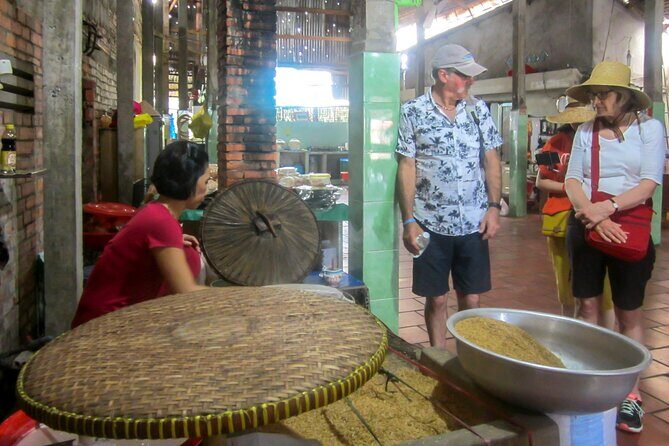
The countryside stops are hands-on, not just watch-and-leave. You’ll visit an area with tropical orchards and learn how coconut candy is made—and yes, you’ll get to taste it. That single activity does a lot of work: it turns a simple snack into something you can explain later.
You’ll also taste honeybee tea, which is one of those regional flavors that feels a bit unusual at first. I like experiences like this because they’re low effort and high payoff. You try it, you learn the context from what you see around you, and you walk away with a memory that sticks.
For getting around locally, the tour uses a mix of vehicles. You’ll take tuktuk rides through the village and also get a ride on a local xe loi motor-cart on village roads. This is a good way to slow down enough to notice homes, small storefronts, and daily life—without needing to wrestle with navigation yourself.
Thanh Thuy coconut garden: food, craft, and the landscape link
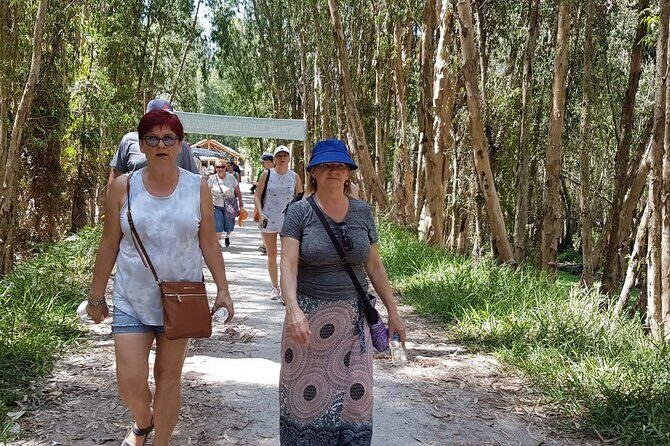
A highlight is the visit to the Thanh Thuy coconut garden. Coconut appears all over this tour, but the garden visit helps explain why. You see the raw material and the local rhythm around it, so the later food experiences don’t feel random.
This is one of those stops that works best when you keep your expectations realistic. You’re not touring a museum. You’re watching how people work with what grows nearby, and you’re getting a sense of why the Mekong is often called Vietnam’s rice bowl in spirit—food and farming are the foundation here.
If you like agriculture-related travel—markets, farms, food production—this stop will feel like the quiet backbone of your trip.
Lunch by the river and fruit breaks that keep it human
You’ll stop for lunch at a garden restaurant on the river bank with countryside specialties. This matters more than people expect. After time on boats and moving around, a proper meal gives your brain a reset—and the location means you’re eating as part of the landscape, not after escaping it.
You also get fruit tasting time. That’s a small inclusion, but it fits the theme: the Mekong Delta isn’t just waterways and markets. It’s also abundance, and you experience that through simple flavors.
Ben Tre homestay night: the part you’ll remember
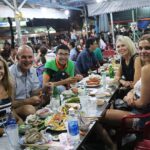
The homestay is the heart of the tour. You spend the night in Ben Tre with a local family, and you’ll help your hosts prepare a traditional Vietnamese dinner. This is the big difference between a homestay that’s mostly marketing and one that changes your evening.
What I like about this setup is the structure. You’re not just handed a seat. You’re given something to do, and that makes conversations and cultural exchange feel natural. Even if your Vietnamese is basic, the rhythm of cooking and preparing a meal still comes through.
You’ll also have a home-cooked breakfast after the homestay night. Breakfast in a family setting tends to be simple and steady—exactly what you want before a morning of more movement.
Practical consideration: dinner work may mean you’ll be near kitchens and food prep areas. If you’re picky about heat, bring a light layer and expect to sweat a bit.
Can Tho time after a long day: a break that helps
On Day 1, the itinerary moves you toward Can Tho and gives you free time for night discovery. That’s smart. After hours on the river and village rides, you don’t need more programming. You can step out, take in the riverside atmosphere, and pick what feels easy.
This free time also gives you flexibility. If you’re tired, you can keep it low-key. If you’re still energized, you’ll have enough daylight context from earlier stops to connect what you see to what you learned.
Tan Phong Island bike tour and handicraft workshop time
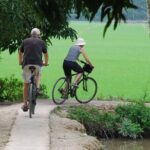
After breakfast, the tour includes a bike tour on Tan Phong Island, focused on handicrafts workshops. I like this part because it shifts the day from food and waterways to hands-on making. It’s a different way to understand the local economy—crafting isn’t separate from the agricultural story; it’s part of the same supply chain.
A bike tour also tends to feel more personal than a vehicle-only route. You can react faster to the scenery—pause, look closer, and keep your eyes on what people are doing rather than where you’re going next.
Possible drawback: a bike tour is weather-dependent and can be tiring if you don’t enjoy active travel. If you prefer low-impact days, you might feel this more than the boat segments.
Cai Rang floating market: seeing trade, not just photos
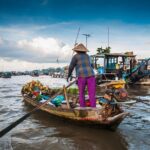
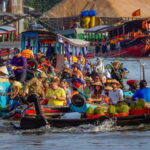
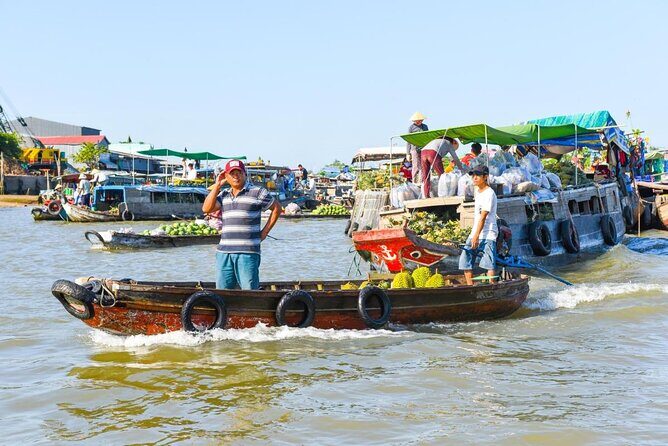
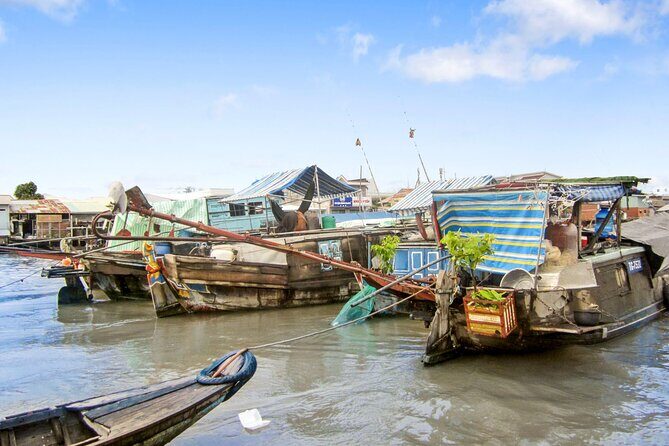
On Day 2, you visit Cai Rang Floating Market by motor boat after breakfast. This is the Mekong Delta experience people talk about for a reason: the market is built into the waterway, so you see trading activity as it actually happens.
You also visit the local market. That matters because floating markets can look chaotic from the water. The local market time helps connect the dots—what gets bought and how it’s organized once it leaves the boats.
Here’s the tip I’d give you: treat the market like a moving scene. Don’t try to capture everything. Pick a couple of angles, watch for how boats arrive and exchange goods, and then move along. You’ll get more out of it than if you rush.
Getting back to Ho Chi Minh City (and keeping your energy)
After the floating market experience, the tour drives back to Ho Chi Minh City. Lunch is included on the way back at a local restaurant.
This return segment is where you’ll feel the “two days, fast pace” reality. If you’re using this tour as the last event before a big dinner plan in the city, schedule something lighter. You’ll likely be tired from early mornings and the mix of boat riding and walking.
Price and value: what $289 buys you (and what it doesn’t)
At $289 per person for about two days, the price feels fair for what’s included. You’re getting:
- Homestay accommodation in Ben Tre
- Transportation by private, air-conditioned vehicle
- Boat trips (including the long Mekong Delta boating time and the Cai Rang motor-boat visit)
- Rowing sampan time
- Bottled water
- Two lunches plus breakfast (meals are included)
- Activities like coconut candy and garden visits, plus the xe loi and bike tour
Not included: drinks and personal expenses. So if you’re a big water-sipper, soda buyer, or snack-hoarder, keep that in mind.
The best value piece is how many different “ways of moving” you experience: boat, sampan, motor-cart roads, tuktuk village rides, and bike time. That variety is what turns the Mekong Delta from scenic to understandable.
Who this tour suits best
This is a strong fit if you want the Mekong Delta to feel real and lived-in. You’ll enjoy it most if you:
- Like food experiences you can participate in (coconut candy, dinner prep)
- Don’t mind active days with lots of short segments
- Want a homestay night, not just a hotel night
- Enjoy small-group travel (up to 10 people)
If you prefer slow travel, minimal vehicle time, or strictly predictable pacing, you might find the schedule a bit intense. It’s not a “sit on the pier all day” tour.
Quick practical tips to make it smoother
- Wear shoes that handle wet, uneven surfaces. Boat landings and garden paths can be slick.
- Bring sun protection for boating and island walking.
- If honeybee tea or strong local drinks are new to you, go slow with the first sip.
- Don’t overpack for the homestay night. You’ll be moving, and you’ll want something easy to manage.
Should you book this Mekong Delta homestay tour?
Yes—if you want a Mekong Delta trip that combines homestay life in Ben Tre, real canal time, and a proper look at Cai Rang trading. The price makes sense because the tour isn’t only transportation and sights; it builds in hands-on food moments and local craft time.
I’d skip it only if you strongly prefer unhurried days or you know you struggle with early starts and boat motion.
If that sounds like you, book it. If not, ask yourself what you value more: total comfort, or a tighter, more personal slice of southern Vietnam.
FAQ
How much does the 2-Day Mekong Delta Tour with Homestay cost?
It costs $289.00 per person.
How long is the tour?
The tour runs for 2 days (approx.).
What time does the tour start, and where do I meet?
The start time is 8:00 am. The meeting points include Independence Palace and Ben Thanh (District 1), Ho Chi Minh City.
Is there a homestay with a local family?
Yes. You’ll have a homestay with a local family, and you’ll also help prepare a traditional Vietnamese dinner.
What floating market do you visit?
You visit Cai Rang Floating Market.
Do you take boats on the Mekong?
Yes. You’ll do boating time in the Mekong Delta area, including exploring small canals by rowing sampan, and you’ll also take a motor boat to visit Cai Rang Floating Market.
Is there a bike tour on this trip?
Yes. After breakfast, you’ll enjoy a bike tour on Tan Phong Island to visit handicrafts workshops.
What transportation and tickets are included?
Transportation is provided by a private, air-conditioned vehicle, and the tour offers a mobile ticket.
How big is the group, and are there minimums?
There is a maximum of 10 travelers, and a minimum of 2 people per booking is required.
What is the cancellation policy?
You can cancel for a full refund if you cancel up to 24 hours in advance of the experience’s start time. If you cancel less than 24 hours before, the amount paid is not refunded.