REVIEW · HO CHI MINH CITY
Half Day Cu Chi tunnel Morning Daily
Book on Viator →Operated by LVP TRAVEL · Bookable on Viator
Cu Chi Tunnels hit you fast. In just a half day, you’ll see how this underground network worked during the Vietnam War, from living spaces to trap devices—then you’ll taste what people ate down there, cassava and tea. I like the fact that this tour keeps things organized with hotel pickup and a real guide, so you’re not wandering around confused. I also like that you get more than one kind of stop: tunnels plus a small rice paper workshop moment, so it feels like more than just a memorial.
One possible drawback: the tour runs about 5 hours, and lunch isn’t included, so you’ll want to plan to eat afterward back in Ho Chi Minh City.
Quick hits (what I’d plan around)
- Hotel pickup, door-to-door transfers: You start at 8:00 am and get back the same day without figuring out transport.
- Documentary film before the tunnel walk: You’ll get context before you crawl through the maze-like spaces.
- Real underground life themes: Kitchens, bedrooms/storage, weapons factories, field hospitals, and command areas are part of what you’ll see.
- Trap doors and danger mechanics: Expect an explanation of hidden doors and dangerous traps, including handmade weapon and trap setups.
- Food tasting that matches the war story: Cassava and tea (plus coffee and/or tea) is included.
- Optional shooting add-on: You can try AK47, M16, M60, or M30 for a surcharge per 10-bullet line.
In This Review
- First, the vibe: what a half-day at Cu Chi feels like
- Saigon pickup at 8:00 am: logistics that actually reduce stress
- Arriving at Cu Chi: documentary first, then the underground overview
- The tunnel section: trap doors, dangerous setups, and how the guide makes it make sense
- Rice paper workshop plus tunnel history: why the mix helps
- The food moment: cassava and tea you can actually connect to the war story
- The optional shooting add-on: an extra fee, and a moment to think about
- Guides make or break it: the Danny factor
- Price and value: $38.47 with pickup and admissions included
- Who this tour suits best
- Should you book this Cu Chi half-day?
First, the vibe: what a half-day at Cu Chi feels like
Cu Chi is one of those places where timing matters. You’re heading about 60 km out of Ho Chi Minh City for roughly 1 to 1.5 hours each way, and once you arrive you’ll move through a tight sequence: film, guided walk/visit into the tunnels, plus a food stop and a quick workshop. This is not a slow, hours-long museum day. It’s a structured introduction that tries to give you enough to understand the system without eating up your entire day.
For many people, the big value is that the guide connects the physical tunnels to the war context. The network wasn’t just hiding places—it was a combat system designed for survival, work, and movement under pressure. You’ll hear how the tunnels helped people with basic needs such as cooking and storage, and how the layout supported operations.
You’ll also get an afternoon break afterward, which is a practical bonus. Ho Chi Minh City is best when you can switch gears—from serious history to street life, markets, and good coffee—without rushing.
Saigon pickup at 8:00 am: logistics that actually reduce stress
This tour is set up for an easy start. You get hotel pickup and drop-off, which matters a lot in Ho Chi Minh City where traffic can turn a simple plan into an all-day headache. The start time is 8:00 am, so you’re not stuck waiting around until late morning.
The transport portion is part of the experience too. On the way out you’ll travel northwest toward the Cambodian border. That drive helps break up the day and makes the tunnel visit feel like a real journey, not just a quick stop you can tack on.
You’ll also be in a group that stays reasonable. The cap is 30 travelers, which usually keeps the guide’s attention more useful than in huge tours where everyone gets lost. And you’ll have a mobile ticket, so you’re not juggling paper tickets.
You can also read our reviews of more tours and experiences in Ho Chi Minh City



Arriving at Cu Chi: documentary first, then the underground overview
When you reach the Cu Chi area, you don’t start by rushing underground. You watch a documentary film first. That’s a smart move, because it gives you a framework before your feet (and nerves) start dealing with narrow passages and trap-style explanations.
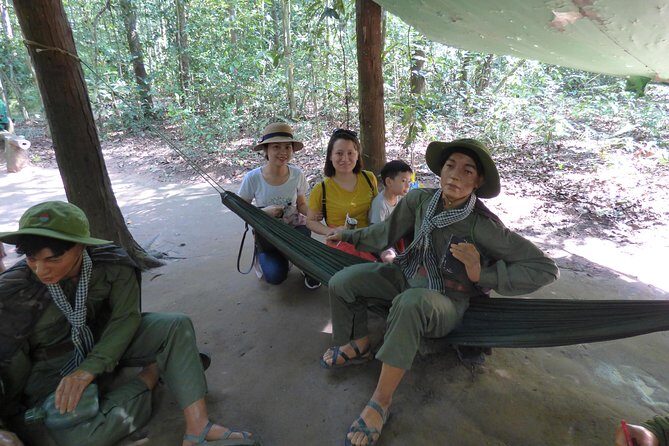
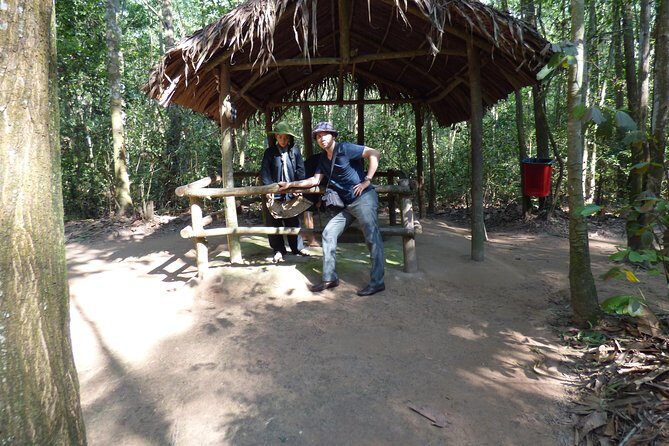
Once the film sets the scene, the guide leads you through key elements of the network. You’ll see areas that are described as living and working spaces—kitchens, bedrooms, storage zones, weapons factories, field hospitals, and command centers. The goal is to show that the tunnels weren’t only about hiding. They supported daily life and combat needs at the same time.
You’ll also hear how the tunnels functioned as an underground town. The idea of an underground community can sound abstract until you’re standing near the kind of spaces that were used for movement and work. Even though what you visit is a constructed experience, the storytelling keeps your attention on how people used the space.
One more thing I appreciate: the pace stays guided. You’re not left to interpret everything on your own, which is where many history visits fall flat.
The tunnel section: trap doors, dangerous setups, and how the guide makes it make sense
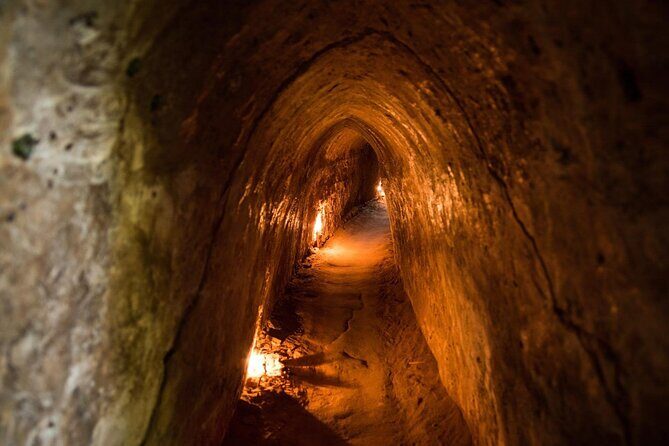
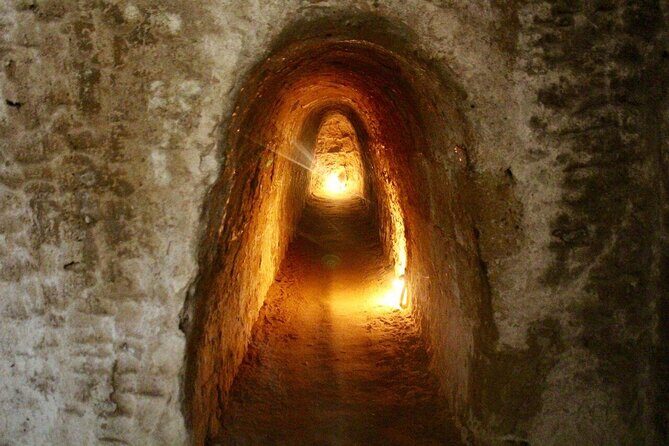
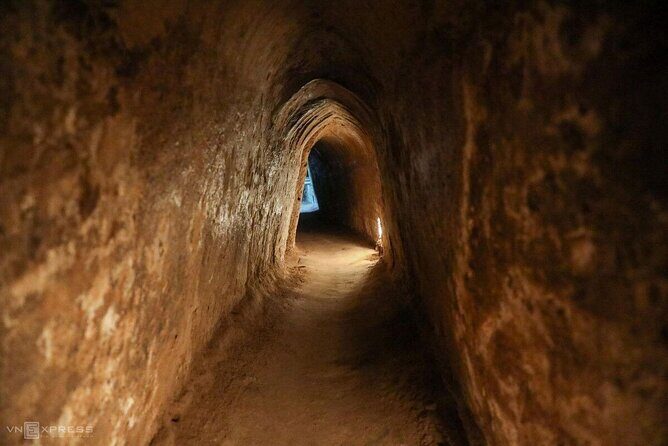
The main attraction is a section of the underground network—described as part of a system totaling about 125 miles (200 kilometers) of passages and rooms. In the time you have, you won’t see the entire network, but you will see enough to understand why it was so hard for enemies to control.
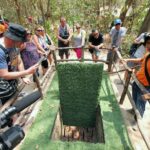
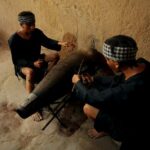
This is where the guide’s role becomes central. You’ll learn about hidden trap doors and dangerous traps inside the maze-like tunnels. The explanation includes handmade weapon and trap setups, which can feel unsettling if you’re not expecting the tour to go there. But it also helps you understand what the site was designed to do.
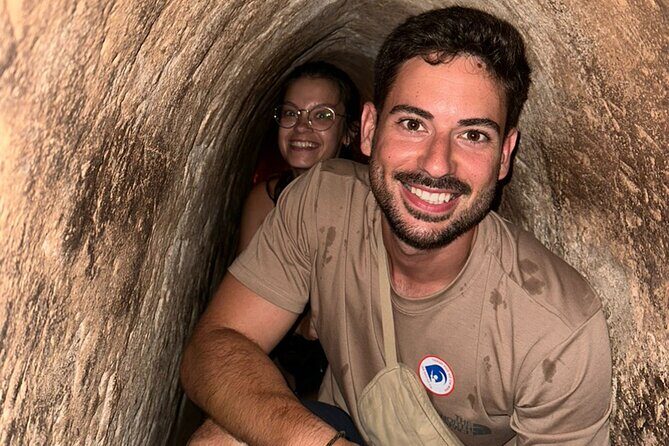
There’s also a physical element: you may climb inside parts of the tunnel. That matters because reading about underground warfare is one thing; experiencing the confined feel makes the whole story more realistic. You’ll likely notice how limited visibility and tight spaces force people to rely on planning and signals.
To keep it fair, here’s the consideration: if you don’t like enclosed spaces or you’re uncomfortable with physically challenging sites, this part may be stressful. The tour is described as suitable for most travelers, but your personal comfort level with tight underground areas still matters.
Rice paper workshop plus tunnel history: why the mix helps
A lot of “tunnel tours” are tunnel-only, which can turn the day into one long, same-feel experience. This one adds a different type of stop: a rice paper workshop.
Even though this isn’t the main theme of the Vietnam War story, it’s a useful break in tone. You’re seeing an everyday craft linked to food and local life, which gives your brain a place to rest from survival-and-combat imagery. And it also ties into the idea that people still cooked, prepared food, and built routine—even in difficult conditions.
That balance is what I like most about this half-day format. You get history, you get a physical experience underground, then you shift to something practical and sensory.
The food moment: cassava and tea you can actually connect to the war story
Food is where the tour becomes memorable. You’ll be served tapioca (often described here alongside cassava) and tea, presented as guerrilla food during the war. The tour also includes coffee and/or tea, plus bottled water.
This tasting matters because it turns history from abstract facts into a human detail. When you know how hard daily life was, simple foods stop sounding like trivia and start sounding like survival tools. Cassava/tapioca are part of that story—staple ingredients that could support energy when conditions were harsh.
If you’re thinking about value, this is a good inclusion. It’s not just a token snack. It’s built into the narrative, so it feels like part of what you came for.
And since lunch isn’t included, plan for the food tasting as your mid-tour energy. You’ll want a real meal after you’re back in the city.


The optional shooting add-on: an extra fee, and a moment to think about

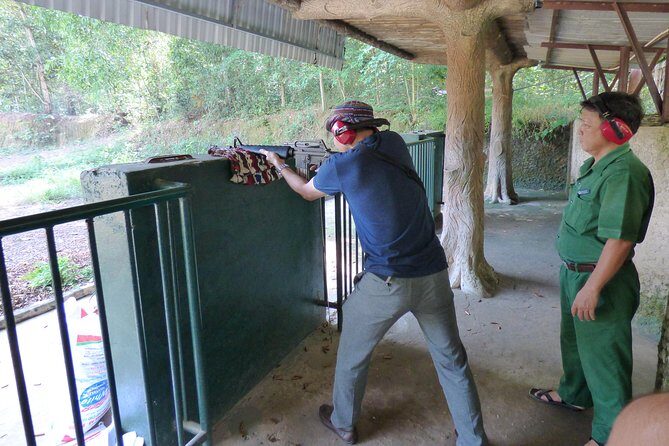
There’s an optional add-on if you want a hands-on experience: you can try shooting AK47, M16, M60, or M30. The surcharge is listed as $2 per bullet line, with a line described as 10 bullets.
This part is totally optional. If you’re unsure, consider your own comfort with the theme. Cu Chi is already heavy in content, and shooting changes the emotional tone quickly. If you do choose it, you’ll get a different type of understanding—more direct than films and explanations—but it’s not the same kind of learning as history context.
If you’re going mainly for understanding the war and how the tunnels supported life, you can likely skip this and still feel you got the main point.
Guides make or break it: the Danny factor
In the reviews, one name comes up again and again: Danny (including mention of Dan Tran / Ms. Danny). The positive pattern is consistent: Danny is described as clear in explanations, humble, and passionate about the site, and she doesn’t just stop at the tour script.
That last part is practical. After the visit, Danny also recommended restaurants and shopping places—small extras that help you use your free afternoon well. I like guides like this because they make the tour feel connected to the rest of your day, not like a quick drop-off and goodbye.
There’s also a mention of Jenny as a coordinator, which suggests the company runs the experience with some attention to communication and smooth coordination. That’s a quiet comfort when you’re booking a half-day out of a big city.
Price and value: $38.47 with pickup and admissions included
At $38.47 per person, this tour sits in the budget-friendly category for a guided half-day with transportation. What makes it feel like decent value is the bundle: hotel pickup and drop-off, a professional guide, admission ticket included, bottled water, and a guided food tasting with coffee/tea.
Many tours charge extra for basic items like entrance tickets or transport. Here, those elements are included, which usually means fewer surprises.
What’s not included is also clear: drinks beyond what’s provided and lunch. So your true cost is the tour price plus whatever you spend for your next meal and any add-ons like shooting.
Another small value point: the tour is set for maximum 30 travelers. Smaller groups often make the guide’s explanations feel more useful, especially when the topic is complex and the spaces are tight.
Who this tour suits best
I’d recommend this trip if you want:
- A guided introduction to Cu Chi without planning headaches
- History explained with a focus on how the tunnels supported daily life and combat functions
- A half day that leaves your afternoon free in Ho Chi Minh City
- A tour where food tasting isn’t random, but tied to the story
It may be less ideal if:
- You strongly dislike enclosed spaces and physical movement in underground areas
- You want a long, self-paced museum-style experience rather than a structured timeline
Should you book this Cu Chi half-day?
If you’re short on time in Ho Chi Minh City, this is a smart choice. The 8:00 am start, door-to-door pickup, included admission, and 5 hours total runtime are built for people who want meaning without losing a whole day. The best reason to book is the combination: film context plus guided tunnel visits plus a tasting that matches the war-era food story.
I’d book it if you also value a guide who explains clearly—especially if you like the idea of someone like Danny, who’s noted for being helpful beyond the tunnel itself.
Skip it only if enclosed spaces are a hard no for you, or if you’d rather spend your time elsewhere in the city with no structured tour.
If you do book, eat something light before pickup, expect food tasting instead of a full lunch, and plan your afternoon meal and plans so you’re not rushing right after returning.