REVIEW · CAN THO
Cai Rang Floating Market Biking Cooking Class in Can Tho Rural
Book on Viator →Operated by Winter Spring Homestay · Bookable on Viator
Mekong mornings taste better by boat. This Can Tho day trip strings together two big-name floating markets, Cai Rang and Phong Dien, then slows down with calm canal scenery and countryside cycling. My favorite part is the breakfast on the boat, served as you watch morning life wake up on the river.
I also love the “small-and-local” rhythm once the route turns away from the crowds. Guides such as Trinh and An share how people live and trade along the water, and you’ll ride past rice fields and canals instead of just pointing and photographing. One real consideration: the early pickup and boat noise can make it harder to hear every detail, so bring patience at dawn.
In This Review
- Key Things You’ll Notice on This Can Tho Mekong Trip
- Why This Tour Feels Easier Than DIY Mekong Planning
- What You’ll Do in One Full Day (And What Each Part Actually Gives You)
- Cai Rang Floating Market: Getting the Big-Name Experience in the Morning
- Phong Dien Floating Market: The More Personal Mekong Feeling
- Rice Noodle and Pho Factory Stop: What You’ll Learn (And the Limits)
- Scenic Canals: The Calm Middle That Often Becomes the Highlight
- Ba Láng Fruit Garden and Cycling: Rural Can Tho, Not Theme-Park Quiet
- How the Biking-and-Cooking Theme Comes Through
- Price and Value: Why This $30 Day Can Make Sense
- Transfers, Timing, and the Ho Chi Minh City Question
- Who This Tour Is Perfect For (And Who Should Skip It)
- Should You Book the Cai Rang Floating Market Biking Cooking Class?
- FAQ
- How long is the Cai Rang Floating Market Biking Cooking Class in Can Tho?
- Which floating markets do you visit?
- Is breakfast included?
- Do you include hotel pickup and drop-off?
- How long do you spend at Cai Rang Floating Market?
- Do you stop at a noodle and pho factory?
- Is there fruit time and cycling?
- What’s the maximum group size?
- What happens if weather affects the experience?
Key Things You’ll Notice on This Can Tho Mekong Trip
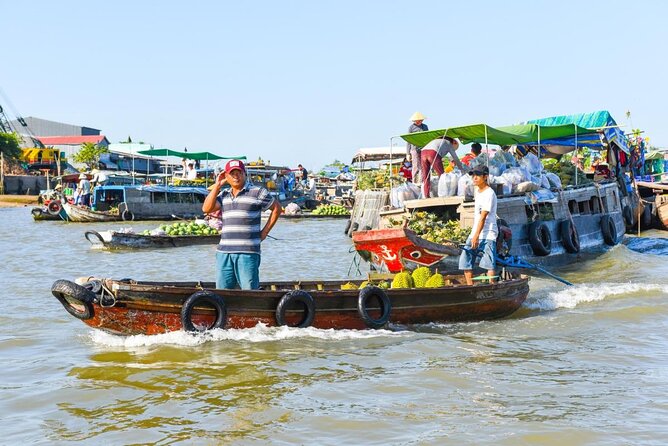
- Two floating markets, one day: Cai Rang first, then Phong Dien later
- Boat breakfast included: coffee and coconut water often show up with the meal
- Noodle and pho workshop stop: learn how rice noodles are made, with local guidance
- Fruit garden + cycling: you trade floating boats for quiet paths through rural scenery
- Smaller-group feel: many departures run with a compact group size and a boat driver
- Weather can change the plan: the experience depends on good conditions on the water
Why This Tour Feels Easier Than DIY Mekong Planning
The Mekong Delta can be confusing if you’re trying to plan on your own. Distances add up. Boats run on their own schedules. And if you miss timing, you miss the best sights.
This experience is built to remove that stress. You get door-to-door transfers, so you’re not spending the day figuring out where to go next. That matters because floating markets are not “late morning” attractions. They reward early starts, and you can feel it in the difference between watching a market warm up versus showing up after the best traffic has moved on.
For me, the value here is not just that you’re going to two markets. It’s that the day is structured like a food and life route: river breakfast, noodle knowledge, then calmer village cycling through the countryside. You end the day with variety, not just one long boat ride.
You can also read our reviews of more tours and experiences in Can Tho.
What You’ll Do in One Full Day (And What Each Part Actually Gives You)
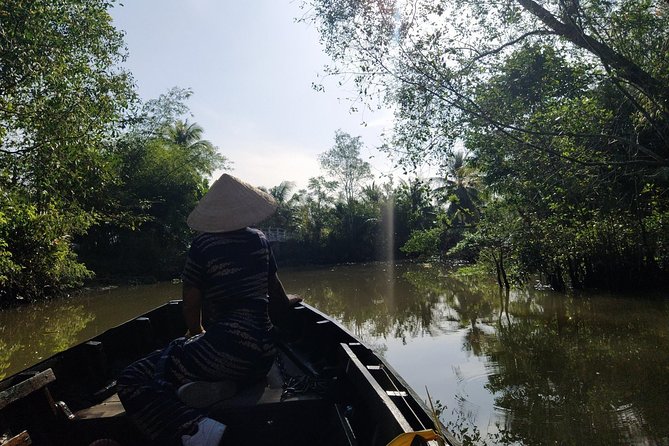
This runs about 8 hours total. The day follows a simple flow: river market, food production stop, scenic canal time, then fruit farm and cycling.
You’re not stuck in “sit and listen” mode. Even the stops that sound small, like the noodle factory, are there to connect you to what locals eat and how the region’s staples are made. The cycling portion also does something important: it gives you a quieter view of the landscape around Can Tho without the constant movement of a boat.
Still, you should know this is not a slow spa day. Expect an early morning rhythm, plus time traveling by car and boat between stops. If you hate mornings that start before your phone thinks it’s awake, this is the main tradeoff.
Cai Rang Floating Market: Getting the Big-Name Experience in the Morning
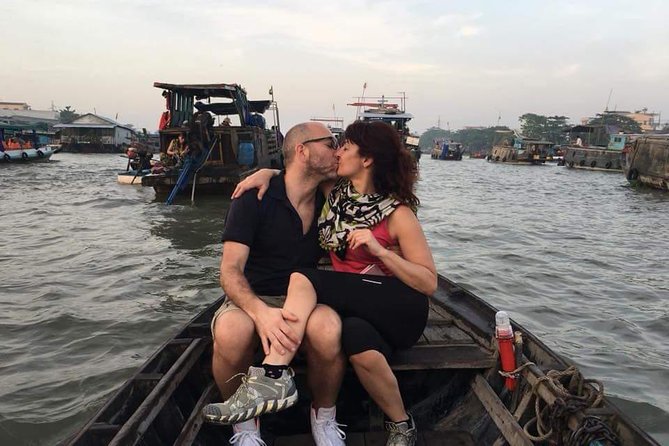
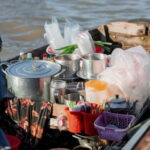
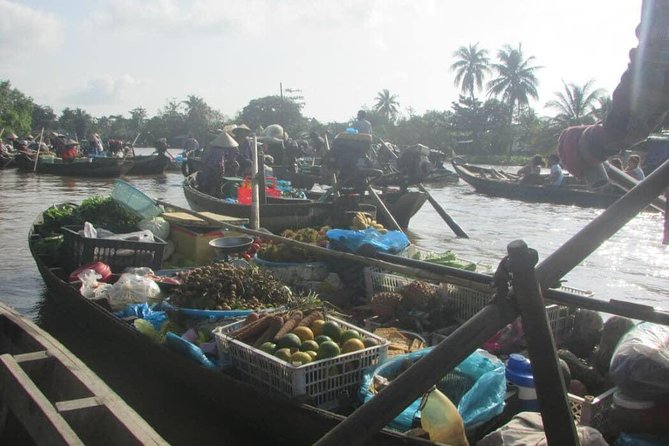
Cai Rang is the largest floating market in Vietnam, and that scale changes what you notice. It’s busier, and you’ll see vendors moving in the water lanes with practiced speed. Boats loaded with fruit and goods come and go like traffic.
You’ll spend about 3 hours here, and you’ll also get traditional breakfast items as part of the early start. In many cases, you’ll find coffee, coconut water, and other local breakfast options included while you watch the morning trading.
Why I think Cai Rang is worth it even if you’ve seen other floating markets in Asia: the “why” of the market is clear. People are selling what the delta grows and produces, and the whole scene feels connected to daily life rather than staged entertainment.
One tip if you want photos that don’t look like everyone else: be patient with angles. When the boats cluster, it’s easy to shoot the crowd instead of the details. Watch for the moments when a vendor pauses with a drink, a fruit basket, or a noodle-food delivery. Those are the frames that tell the story.
Phong Dien Floating Market: The More Personal Mekong Feeling
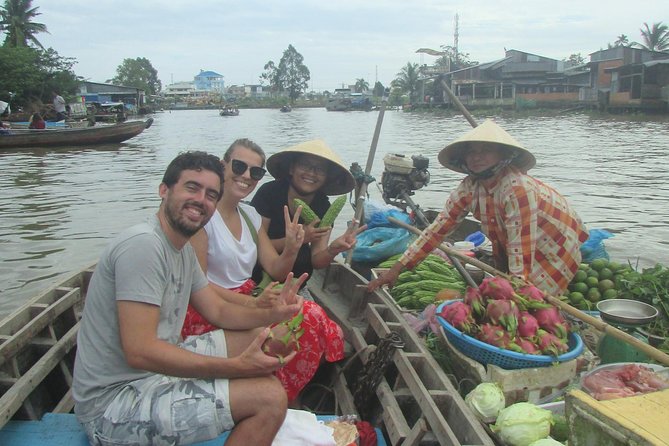
Later in the day you’ll go to Phong Dien floating market. Several people highlighted this stop as the one that best matches what they wanted from the Mekong: real trading, lots of small daily motions, and a setting that feels more human-scale.
The timing matters. When you catch it after the first market, you’re not “market exhausted” yet—you’re comparing one river style to another. And because this tour includes a boat-and-canal pace, you’re not just walking around stalls.
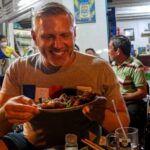
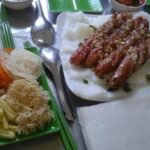
Breakfast is also part of this stretch. People specifically called out a delicious hu tieu-style noodle soup at the market. Even if you don’t remember the name of every dish, you’ll remember eating on the water while the market moves around you.
If you’re the kind of eater who wants one great local meal more than five mediocre tastings, this is where you’re likely to feel it paid off.
Rice Noodle and Pho Factory Stop: What You’ll Learn (And the Limits)
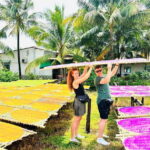
Between the floating markets and the countryside segment, you’ll stop at a local rice noodle and pho workshop area. This is about 30 minutes, and the goal is straightforward: you learn how noodles are made, led by local experts.
Here’s the balanced reality check: a few people said the visit felt less like watching the full production line and more like seeing a shop where noodles are prepared and sold. That doesn’t automatically make it bad, but it does mean you should adjust expectations. Think “learn the process and see how it fits local life,” not “tour a giant factory with machinery in action.”
What still works well is that the stop ties directly to what you eat that day. When you’ve just had a noodle soup on the river, seeing how rice noodles get shaped and processed makes the meal feel more meaningful.
My practical advice: ask the guide to explain the steps and what’s different about rice noodle types. You’ll get more out of the short time if you treat it like Q&A, not a quick photo stop.
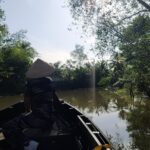
Scenic Canals: The Calm Middle That Often Becomes the Highlight
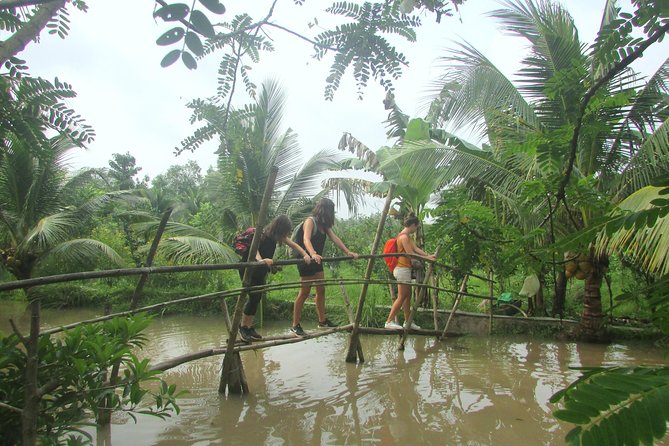
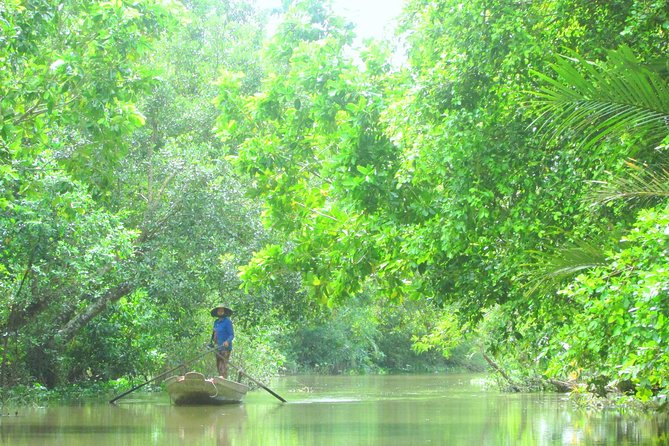
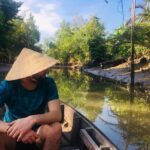
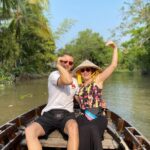
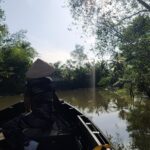
One reason this trip gets such strong praise is that it includes canal time that feels quiet and unhurried. After the busier market energy, you’ll have moments where the scenery takes over: green trees, mangrove-style river edges, and waterways that look peaceful even when boats are moving.
Some of the best comments described the small canals as the moment they loved most. That fits the tour’s design: it’s not just about the markets. It’s about seeing why the delta lives like it does—through waterways, not roads.
Also note: canal riding is where a boat guide’s personality matters. If you end up with a guide like Trinh, Nga, or Nhu Y (names you’ll hear on different departures), you’ll likely get clearer explanations and better pacing through the quiet parts.
If the engine noise makes it hard to catch everything, just ask your guide to repeat. This is a noisy activity, and asking for a quick recap is completely normal.
Ba Láng Fruit Garden and Cycling: Rural Can Tho, Not Theme-Park Quiet
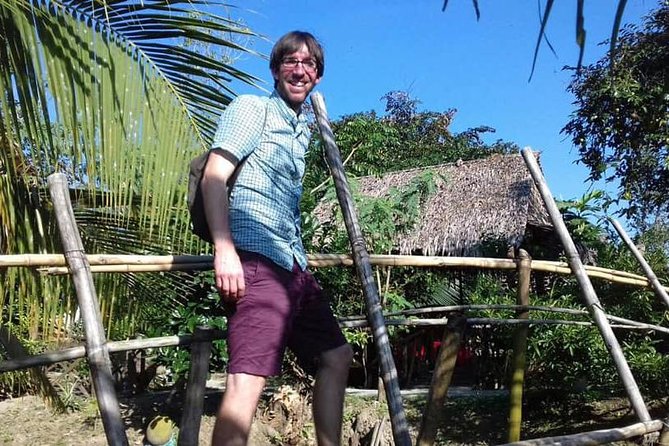
The day shifts again at Vườn Sinh Thái Ba Láng, a small local fruit garden. This is one of the calmer stops, surrounded by tropical fruit and flowers, and it sets you up for the cycling segment afterward.
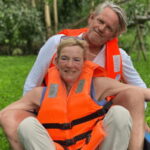
Then you cycle along quiet countryside paths for about 3 hours, passing rice fields and canals. This is the part you’ll feel in your legs, but it’s usually not a full-on “training ride.” It’s more about moving slowly enough to notice details than burning calories.
What makes this section valuable is contrast. You start with trading boats. Then you learn about noodles. Then you get a view of where fruits and rice fit into the delta cycle. That combination gives you a more complete picture of daily life around Can Tho.
One practical note: bring water and expect humidity. Even if you’re on an easy route, cycling in the delta is still work in the heat. Sunglasses help, and so does sun protection that doesn’t need you to fuss with it mid-ride.
How the Biking-and-Cooking Theme Comes Through
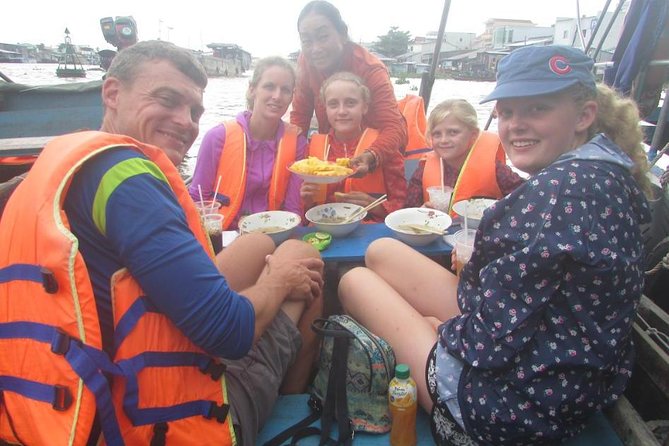
Even when the name sounds like it promises a full “cooking class,” the experience you’ll likely get is more food-focused learning than a kitchen reality show.
In practice, you’ll learn hands-on or guided food knowledge at the noodle workshop. And because the day includes multiple eating moments—breakfast on the boat, noodle soup, and fruit—“cooking” is part of a larger theme: understand how local staples get made and how they show up in meals.
Some people also mentioned learning how to cook or make items at markets, which suggests certain departures may add extra food activity time. If you care about a more active cooking session, ask your operator what’s included on your exact day.
Price and Value: Why This $30 Day Can Make Sense
At about $30 per person, this tour is priced like a value play for the Mekong Delta. You’re not just paying for a boat ride. You’re paying for organization: transfers, guided stops, food inclusions, and a structured route that hits two markets plus countryside time.
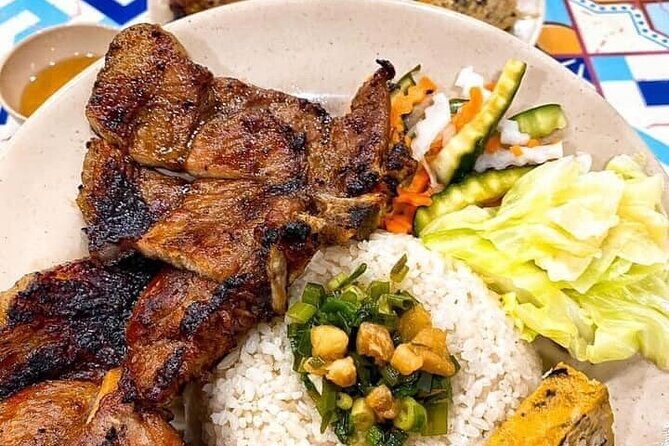
A big value point is that it’s not only “transport and admission.” Breakfast is included, and multiple meals or food tastings show up during the day. That matters in Vietnam, where food is usually affordable, but boat-based breakfast and guided market time are not the same as grabbing something on the street.
Also consider that group size is capped at 30 travelers. In reality, you may experience a smaller group feel, which makes questions easier and the day less chaotic.
Where the value can wobble is timing and route consistency. A few negative experiences noted missing or reduced market time due to weather, or substitutions when the schedule doesn’t go as planned. Still, if conditions interfere, the operator’s policy is to offer a different date or a refund, so it’s not a total gamble.
Transfers, Timing, and the Ho Chi Minh City Question
One question you should ask yourself before you book: where are you starting from?
This experience is designed around pickup in Can Tho. If you’re staying in Ho Chi Minh City, expect a different transfer reality. One account described an additional transfer fee for shuttle service from Ho Chi Minh and a very early departure time. That kind of route can add cost and can turn a “day trip” into an all-day logistics project.
If you can, plan to base yourself in Can Tho for this one. It keeps the day from feeling like an airport run disguised as a boat ride.
Also, expect an early start. People repeatedly praised how worth it early pickup is for sunrise and breakfast on the water. If you’re traveling with a sleep schedule that can’t handle 2:00 to 4:00 a.m. energy, factor that in.
Who This Tour Is Perfect For (And Who Should Skip It)
This is a great fit if you:
- want floating markets plus food learning in one day
- like being on the water and moving through local scenes without constant transfers
- enjoy quieter nature time after busier attractions
- don’t mind an early morning start for sunrise market energy
It may be less ideal if you:
- want a long, slow “stay on the river” cruise with lots of time on many different river stops
- expect a full, continuous production-line factory tour (the noodle stop is short)
- get easily frustrated by boat noise or difficulty hearing during engine-powered rides
- dislike weather-dependent plans, since the experience requires good conditions
Should You Book the Cai Rang Floating Market Biking Cooking Class?
I’d book it if you want one organized day that mixes markets, river food, noodle learning, and rural cycling in Can Tho. The repeated praise for the canal time and boat breakfast makes it sound like the day hits more than just checkboxes.
Don’t book it blindly if your priority is a huge variety of markets beyond Cai Rang and Phong Dien, or if you’re hoping for a long, uninterrupted “cruise day.” And if you’re coming from Ho Chi Minh City, double-check pickup details so you’re not surprised by extra transfer time or fees.
FAQ
How long is the Cai Rang Floating Market Biking Cooking Class in Can Tho?
It runs about 8 hours (approximately).
Which floating markets do you visit?
You visit Cai Rang Floating Market and Phong Dien Floating Market in the same day.
Is breakfast included?
Yes. A Vietnamese breakfast is included, served on the Mekong river during the morning market time.
Do you include hotel pickup and drop-off?
Yes. Door-to-door transfers are included.
How long do you spend at Cai Rang Floating Market?
You spend about 3 hours at Cai Rang.
Do you stop at a noodle and pho factory?
Yes. You visit a local rice noodle and pho factory area for about 30 minutes and learn how noodles are made with local experts.
Is there fruit time and cycling?
Yes. You visit a fruit garden and then go cycling along quiet countryside paths.
What’s the maximum group size?
The tour has a maximum of 30 travelers.
What happens if weather affects the experience?
The experience requires good weather. If it’s canceled due to poor weather, you’ll be offered a different date or a full refund.