REVIEW · CAN THO
Cai Rang Floating Market Tour -Amazing Can Tho
Book on Viator →Operated by Mekong Smile Tour · Bookable on Viator
Morning markets feel like another world.
This Cai Rang Floating Market tour is built around the Mekong Delta’s river reality: boats as streets, trading as daily rhythm, and a morning start that catches the market when activity is at its peak. You’ll travel by traditional wooden boat from Ninh Kieu Wharf area and move through several food-focused stops, so the experience is more than photos of boats packed together.
Two things I really like about it are the English-speaking guide (you’ll get clear context, not just directions) and the hands-on food moments, especially the crispy homemade rice noodle pizza made from Hu Tieu-style rice noodles. A possible drawback: it starts early (6:00 am), so if you’re not a morning person, you’ll feel the wake-up.
In This Review
- Key Highlights You’ll Care About
- Cai Rang at 6:00 am: what the early start really buys you
- From Ninh Kieu Wharf to Cai Rang: the wooden boat experience
- Stop 1: Cai Rang Floating Market—how to watch without feeling lost
- Stop 2: Rice noodle factory and the crispy rice noodle pizza
- Stop 3: Muoi Cuong Cocoa Farm—chocolate with a local story
- Stop 4: Can Tho fruit garden and a calmer canal cruise
- Price and value: why $78.16 can make sense (or not)
- Group size, pace, and guide quality: the small details that matter
- What to pack for a smooth Mekong morning
- Weather and timing: when the plan can shift
- Who this tour is best for
- Should you book the Cai Rang Floating Market Tour?
- FAQ
- What time does the Cai Rang Floating Market Tour start?
- How long is the tour?
- Where do I meet the tour?
- What is included in the price?
- Is the floating market admission free?
- What is the group size?
- Do I need a physical ticket?
- What happens if the weather is poor?
Key Highlights You’ll Care About
- 6:00 am timing: you’ll see Cai Rang at an active hour, before the day heat takes over.
- Max group size of 5: it’s small enough for questions and an easier pace on the boat.
- Hu Tieu noodle making: you don’t just eat it—you watch how it’s made.
- Muoi Cuong cocoa farm stop: cacao drink and pure chocolate tasting tied to a local story.
- Can Tho fruit garden + canal ride: you get a calmer second boat segment through green waterways.
- Strong guide track record (examples): guides such as Minh, Jane, An, and Mr Hien are highlighted for friendliness and on-the-spot explanations.
Cai Rang at 6:00 am: what the early start really buys you
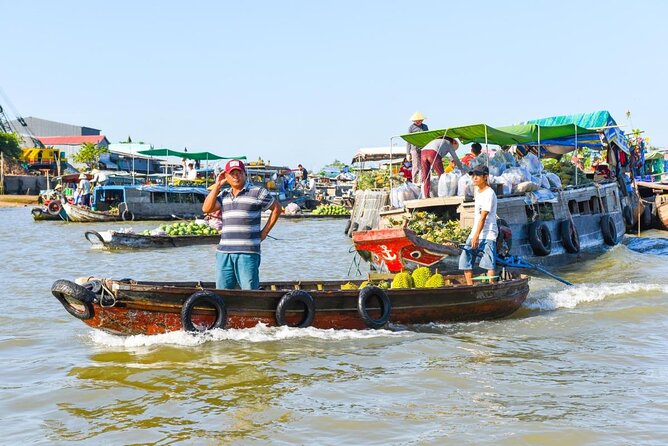
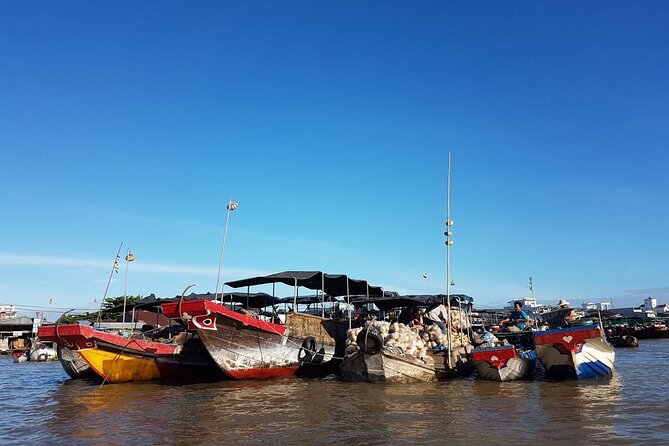
Cai Rang Floating Market is famous for a reason, but the real magic is timing. The tour’s departure at 6:00 am is about being there when boats are still lining up, vendors are still working, and you can actually follow what’s happening instead of just watching a slow trickle.
Early also helps with comfort. A morning on the river means less of the later-day heat and fewer distractions. You get to look, ask questions, and take photos without feeling like you’re rushing. And because the market stop is about 2 hours, you’re not trapped in a quick fly-by. You have time to see how the trading works, not just snap one dramatic picture.
One practical note: this is a full morning experience. If you’re the type who likes to linger over coffee, plan to do that afterward, not during the first moments.
You can also read our reviews of more tours and experiences in Can Tho.
From Ninh Kieu Wharf to Cai Rang: the wooden boat experience
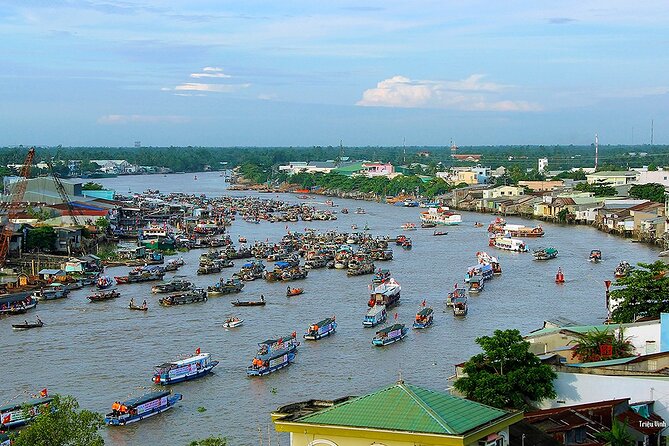
The day starts with pickup at the Ho Chi Minh Monument (24 Đ. Hai Bà Trưng, Tân An, Ninh Kiều, Cần Thơ, Vietnam). From there, you head toward Cai Rang on a small boat ride. This part matters, because it sets expectations for the Mekong Delta: you’re not walking through a market—you’re floating through it.
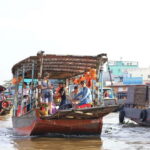
The tour includes a traditional wooden boat, and that’s more than a nice detail. Wooden boats feel different on the water: the movement is gentler, the ride feels closer to the way locals travel, and you’re positioned naturally to watch vendors and other craft pass by.
With a maximum of 5 travelers, the boat experience tends to feel personal. You’re more likely to get a guide-led explanation that matches your questions, instead of everyone shouting over each other. Small groups also help with comfort when the boat is moving and you want to keep belongings dry and reachable.
Stop 1: Cai Rang Floating Market—how to watch without feeling lost
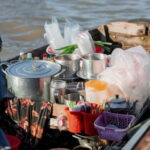
At Cai Rang, trading is the star. You’ll learn the history and cultural values behind the floating market model—how it developed as a practical response to the dense river network and how boat-to-boat exchange became a routine way of life.
What you should focus on during the stop:
- How boats signal what they carry (you’ll pick up patterns fast once you know what to look for).
- How sellers arrange goods and how buyers approach.
- The rhythm of transactions: it’s not chaotic, it’s organized by experience and route knowledge.
This is also where your guide earns their keep. Guides like Minh, Jane, An, and Mr Hien are noted for being friendly, helpful, and willing to explain the area and its people. Expect facts that make what you see feel understandable. Even a few shared phrases can help you feel less like a spectator and more like you’re following the scene.
Tip for photos: don’t just aim your camera at the biggest boats. Spend time at eye level with the smaller ones and look for the moment when items are handed over or adjusted. Those quick moments often tell the story better than wide shots.
Stop 2: Rice noodle factory and the crispy rice noodle pizza
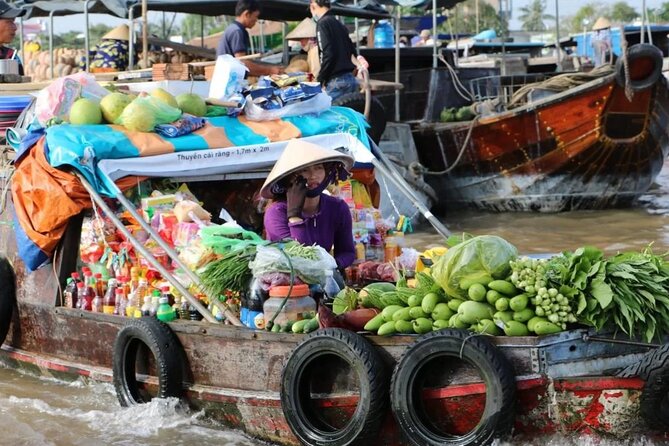
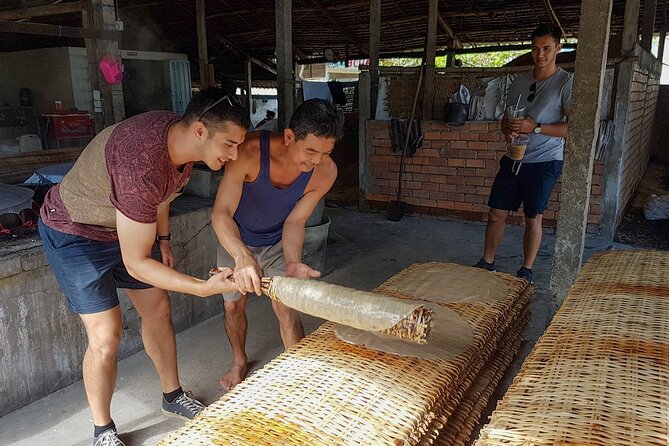
After the market, you switch from trading scenes to food process. The tour takes you to a traditional rice noodle factory stop where you’ll see how Hu Tieu-style rice noodles are made, step by step.
This is one of the most valuable parts of the day if you like to understand what you’re eating. Watching production changes how you taste later. It’s the difference between eating noodles and realizing what labor and technique go into thin sheets, textures, and consistent cooking.
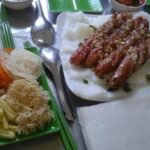
Then comes the fun part: you get to enjoy a special crispy homemade “rice noodle pizza” that you can’t simply buy everywhere else. The idea is simple, but the execution is the point. It’s a snack format that lets you taste the noodle base in a new way—crunchier and more concentrated than you might expect from rice noodles alone.
A small timing check: this stop is about 30 minutes, so it’s not a long workshop. But it’s enough time to learn the workflow and try the result without the schedule dragging.
Stop 3: Muoi Cuong Cocoa Farm—chocolate with a local story
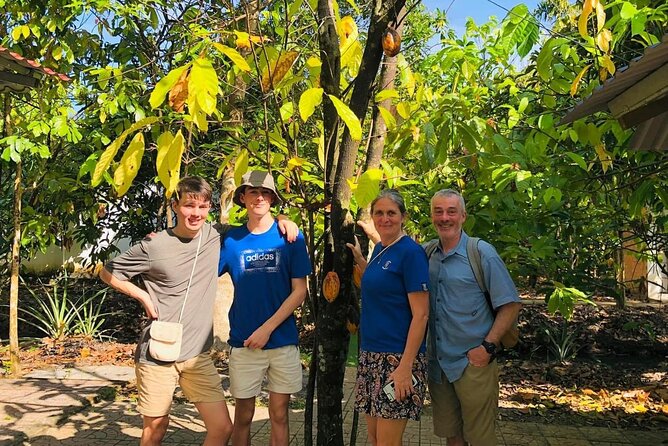
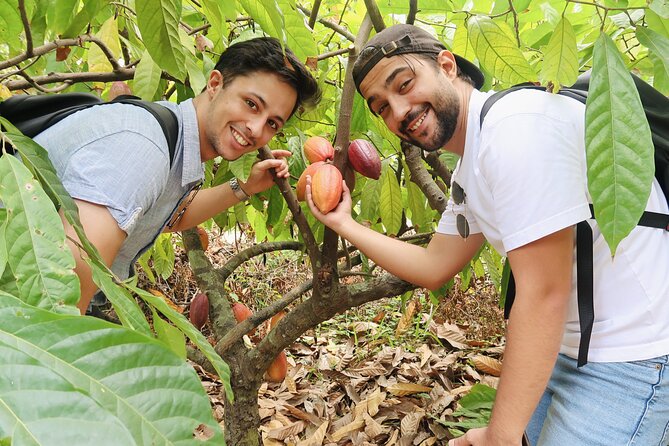
Next is Muoi Cuong Cocoa Farm (about 1 hour), a change of pace from waterways and street-level food.
Here, you’re tasting cacao through both story and product. The tour includes a narrative about Mr. Mười and his patience in producing local chocolate. That detail matters because it frames what you’re about to drink and eat: it’s not just a random chocolate stop, it’s tied to the effort of growing and processing cacao in the Mekong Delta context.
What you’ll do at this stop:
- Learn about cacao cultivation and chocolate production in a local way.
- Taste a local cacao drink.
- Taste pure chocolate.
If you’re a chocolate fan, you’ll likely enjoy the contrast between sweetened drink versions and pure chocolate. If you’re not, this is still a good stop because it gives you a calm, grounded break from moving water and busy boats.
The only caution is your taste tolerance. Chocolate and cacao drinks can be sweet, rich, or both, depending on what’s served that day. You’ll still have other food and fruit later, so don’t treat this as your only meal.
Stop 4: Can Tho fruit garden and a calmer canal cruise
The last major block of the tour shifts toward relaxed scenery and seasonal eating.
You’ll savor fruit in a tropical fruit garden, with options like mango, plum, and dragon fruit, depending on what’s in season. This is smart for two reasons. First, it connects what the Delta grows to what you see and taste during the trip. Second, fruit is lighter than fried snacks, which helps you handle the day without feeling weighed down.
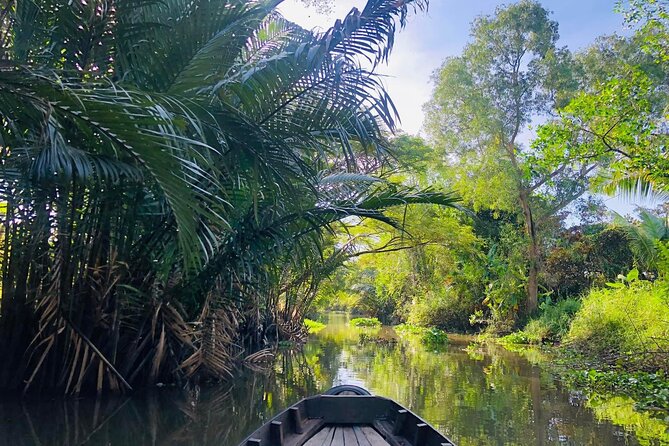
Then comes a boat cruising through green canals. This is different from the floating market boat segment. Instead of sellers and transactions, you get quieter rural vibes—waterways that look like they belong to daily life, not a show.
The total time for this part is about 1 hour 30 minutes, and it usually feels like the tour’s exhale moment. If you’ve been taking a lot of photos early, this is when you can slow down and look at the scenery, the water texture, and how boats move through narrow channels.
Price and value: why $78.16 can make sense (or not)
At $78.16 per person for about 5 hours, the headline cost is clear. What’s less obvious is what you get for it.
This tour includes:
- Breakfast
- Entrance fees
- An English-speaking guide
- Traditional wooden boat
- Water
- Local fruits
- Food stops with tasting/participation (rice noodle factory experience and cocoa tasting)
So you’re not paying just for a boat ride and a photo. You’re paying for a full morning rhythm: transportation, guided interpretation, and multiple eating moments. If you’re the type who prefers experiences with built-in meals rather than planning everything yourself, this adds up quickly.
Where value can feel weaker:
- If you already know you only want a quick floating market look, the extra food stops (noodle factory and cocoa) might feel like more time than you wanted.
- If early starts are a deal-breaker, the schedule can cost you more than the price.
Group size, pace, and guide quality: the small details that matter
A maximum of 5 travelers is a big deal in a place like Can Tho. With fewer people, the guide can keep track of everyone’s questions, you can move around more easily at each stop, and the boat ride feels less like a cattle call.
Guide quality is also front and center in the way this tour tends to run. You’ll see names like Minh, Jane, An, and Mr Hien linked to warm, helpful service and strong explanations of local life. One of the best signs is that guides don’t just recite facts—they help you read what you’re seeing, including how people trade and live around these rivers.
On some days, the boat captain or driver may add little personal touches, like a quick pause for photos with handmade souvenirs or small gifts for kids. Those aren’t something you should plan around, but they’re the kind of detail that can turn a standard tour into a memorable morning.
What to pack for a smooth Mekong morning
The tour is early, on the water, and includes food stops. That means simple packing choices can save you discomfort.
Bring:
- A light rain layer or compact umbrella (weather matters here, and conditions can change).
- Sunscreen and sunglasses (even early mornings can brighten fast).
- Water-resistant sandals or shoes you don’t mind getting a little damp.
- A small towel or wipes for quick cleanup before fruit and tastings.
Wear clothes you can move in. You’ll be on and around boats, and you’ll want to be comfortable stepping and shifting your weight safely.
If you’re sensitive to strong smells from boats and foods, consider bringing a small mask. The tour includes water, but personal comfort still comes down to you.
Weather and timing: when the plan can shift
This experience requires good weather. If it gets canceled due to poor conditions, you’ll be offered a different date or a full refund.
This matters in the Mekong Delta because rain can change water conditions and visibility. If you’re flexible, you’ll likely be fine. If you have tight scheduling later in the day, keep that in mind when you book.
Who this tour is best for
This tour fits best if you want:
- An early, hands-on introduction to Cai Rang Floating Market
- Real food stops tied to how ingredients are made (rice noodles) and where flavors come from (cacao)
- A guided experience in small group size
- A mix of busy market energy and calmer canal scenery
It’s also a strong option for families, since the boat setting is natural for kids and some guides/crew add small surprises along the way.
If you’re traveling solo and don’t want to negotiate transport or find food experiences on your own, a guided plan like this reduces friction.
Should you book the Cai Rang Floating Market Tour?
Book it if you like morning energy, guided storytelling, and eating experiences that come with context. The blend of floating market + Hu Tieu noodle-making + cocoa tasting + fruit garden and canals is why the tour earns top scores.
Skip it if:
- You hate early mornings and can’t handle a 6:00 am start.
- You only want the floating market and don’t care about factory-style food stops or cocoa/chocolate tasting.
- You’re expecting a long, slow, luxury cruise instead of an active 5-hour circuit.
For most visitors to Can Tho, it’s a smart way to get more than one memorable moment without juggling multiple bookings.
FAQ
What time does the Cai Rang Floating Market Tour start?
It starts at 6:00 am.
How long is the tour?
The duration is about 5 hours.
Where do I meet the tour?
The meeting point is the Ho Chi Minh Monument, 24 Đ. Hai Bà Trưng, Tân An, Ninh Kiều, Cần Thơ, Vietnam. The tour ends back at the meeting point.
What is included in the price?
The tour includes breakfast, entrance fees, an English-speaking tour guide, a traditional wooden boat, water, and local fruits. Food stops (rice noodle experience and cocoa tasting) are listed as included too.
Is the floating market admission free?
Yes. The Cai Rang floating market stop lists admission ticket free.
What is the group size?
This activity has a maximum of 5 travelers.
Do I need a physical ticket?
No. You’ll use a mobile ticket.
What happens if the weather is poor?
This experience requires good weather. If it’s canceled due to poor weather, you’ll be offered a different date or a full refund.