REVIEW · HO CHI MINH CITY
Cu Chi Tunnels – Half Day Luxury Tours
Book on Viator →Operated by Cu Chi Tunnels Tours · Bookable on Viator
Cu Chi Tunnels hits hard, in the best way. You get a guided, structured visit to the tunnel network used during the Vietnam War, with an intro video first so you’re not just wandering around. I especially like the door-to-door pickup and the no-hidden-costs setup that includes entrance fees and transport in the ticket price.
One thing to think about before you book: it’s built as a 6-hour half-day, including the drive out to the tunnels (about 43 miles from Ho Chi Minh City). If you hate long rides, this part may feel like the longest segment of your day.
In This Review
- Key highlights to know before you go
- Why this Cu Chi Tunnels tour feels like the smart choice
- The 43-mile ride out: plan your mindset, not your schedule
- Your first step underground: the intro video that makes everything click
- Inside the tunnel system: living spaces, medical care, and security design
- The shooting range stop: one action moment in a heavy day
- Tea and cassava: a calm pause after a big emotional wall
- Guides and group size: small enough for questions, big enough for energy
- What you pay for: $35 that covers the stuff you’d otherwise add up
- Who should book this Cu Chi tunnels half-day tour
- Should you book this Cu Chi Tunnels tour?
- FAQ
- How long is the Cu Chi Tunnels half-day tour?
- Do they pick me up from my hotel in Ho Chi Minh City?
- What does the ticket price include?
- Is a mobile ticket used for pickup?
- How big is the group?
- Can I cancel and get a refund?
Key highlights to know before you go
- Intro video + explanation before you enter, so you understand how people survived in the tunnels
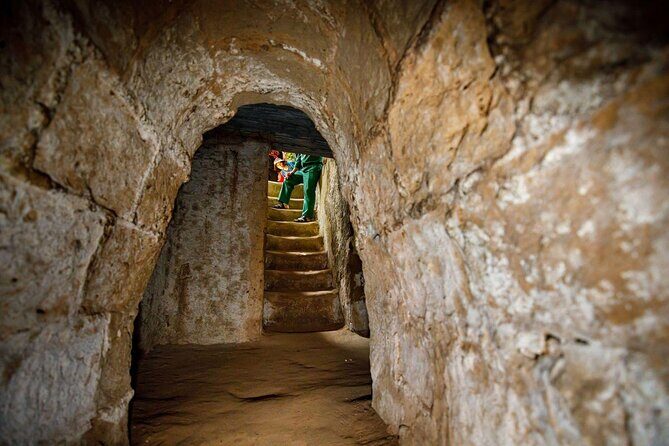
- Living areas and war systems you’ll see firsthand, including kitchens, bedrooms, storage, weapons-making areas, field hospitals, and command centers
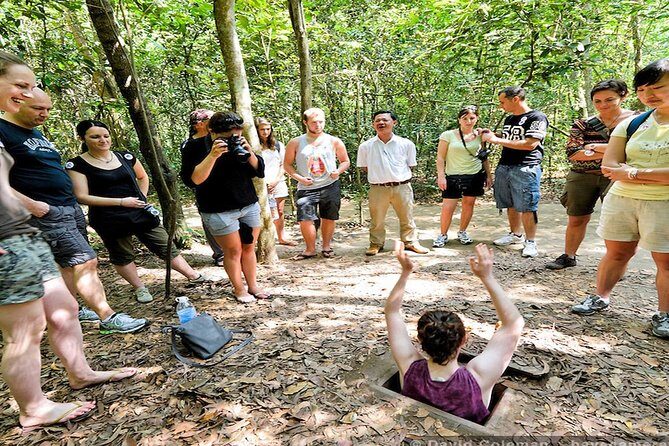
- Trap doors and dangerous traps are part of what you learn about tunnel security
- Range shooting experience to understand what battle felt like for the Vietcong
- Tea and cassava refreshment after your tour, period-appropriate and included
- Mobile ticket for easy pickup, plus a group size capped at 30 travelers
Why this Cu Chi Tunnels tour feels like the smart choice
If you’re short on time in Ho Chi Minh City, this type of tour can be the most practical way to do Cu Chi well. Instead of figuring out transport on your own, you’re picked up from your inner-city hotel area and taken by pre-booked bus to the site.
The big value play is that your ticket isn’t just for “getting in.” It covers entrance fees and transport costs, so you’re not doing mental math while you’re already on the move. For a history-heavy outing, I like knowing the day won’t get chopped up by extra payments at the gate.
Another plus is the pacing. You’re given a short introduction and an intro video before you explore the tunnels, so your visit has context from minute one. That matters, because without the background, the tunnel layout can feel like you’re only chasing dark hallways.
You can also read our reviews of more tours and experiences in Ho Chi Minh City



The 43-mile ride out: plan your mindset, not your schedule
The tour runs about 6 hours total, and that includes the commute from Ho Chi Minh City to the tunnels (around 43 miles). You’ll feel the distance most during the travel portion, especially if you’re hoping for a quick half-day.
The upside is that the bus format tends to make the time feel easier. You don’t have to coordinate getting out there, and you’re not stuck figuring out how to return when you’re tired after walking and reading your way through the underground spaces. This is the kind of outing where arriving with your energy intact improves the whole experience.
If you’re the type who likes to get oriented quickly, use this ride to prep your questions. With a good guide, you can turn the drive into the “day’s history lesson,” not just time spent in traffic.
Your first step underground: the intro video that makes everything click
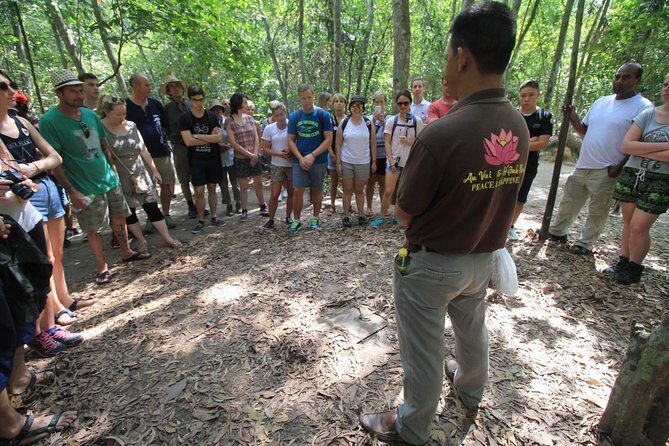
When you arrive, you start with a short introduction and an introductory video. This is where the tour earns its keep. You learn how the tunnels were constructed and how people managed to survive the harsh conditions of wartime life.
That setup changes what you notice once you’re exploring. You’re not just looking at a maze; you’re learning why it was built the way it was. The tour’s approach helps you connect tunnel engineering with daily survival needs, which makes the visit more than a spectacle.
I also like the clarity this gives you. You’re told what you’re going to see, then you go see it. That sounds basic, but in places this emotional and complex, it really matters.
Inside the tunnel system: living spaces, medical care, and security design

Once you’re ready, you explore the remaining area and the tunnel systems. The tour focuses on showing you how wide the underground life was—this wasn’t just soldiers sleeping in darkness between battles.
You’ll see constructed living areas like kitchens and bedrooms placed side by side with other essential facilities. The tour also points out martial and support spaces, including places tied to storage, weapons factories, field hospitals, and command centers. If you’re the kind of person who thinks history is only about major events, this part will shift your view toward the everyday systems that kept people functioning.
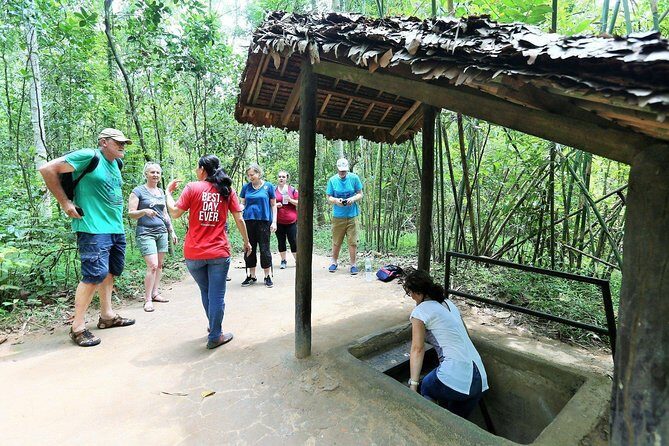
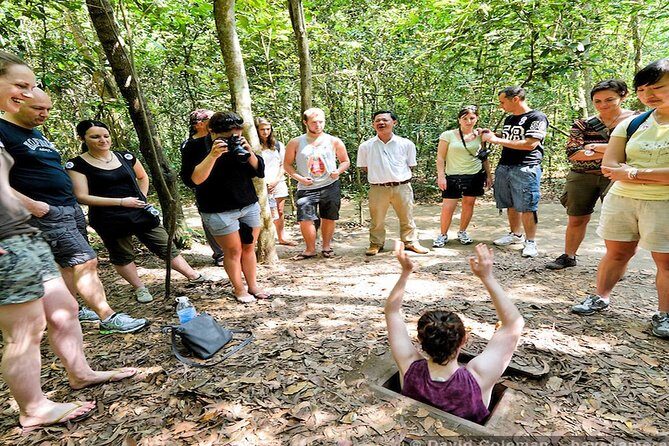
What really adds tension is learning about security. Inside this maze-like network, there are hidden trap doors and traps used to protect the tunnels. The tour doesn’t treat the tunnels like a static exhibit. It shows you that they were designed to be hidden, defended, and survivable under pressure.
The shooting range stop: one action moment in a heavy day
One of the headline highlights is a chance to try shooting at a nearby range. The tour frames it as learning what battle felt like for the Vietcong, which makes the visit more than just walking through history.
Is it intense? Yes—because it’s meant to add a physical, hands-on element. If you prefer your history experiences strictly observational, this may feel like the most action-oriented part of the day.
Still, it can make the day “stick.” A lot of Cu Chi visitors come away remembering the underground spaces and the stories, but this range experience adds another layer: the sense of confrontation and risk that people faced.



Tea and cassava: a calm pause after a big emotional wall

After your tour, you get refreshments: tea and cassava served in a period-appropriate way. This is a small detail, but it helps the day land. You’re coming up from an experience heavy with war-life realities, then you’re given a simple break to reset.
I like that it’s included. That means you can spend your energy focusing on what you learned instead of hunting for food or worrying about timing. It also gives you a more complete “experience day” rhythm: learn, explore, then refuel.
If you’re sensitive to war-related topics, that stop can be a gentle landing spot. You may still carry the heaviness—but at least you’re not doing it on an empty stomach.
Guides and group size: small enough for questions, big enough for energy
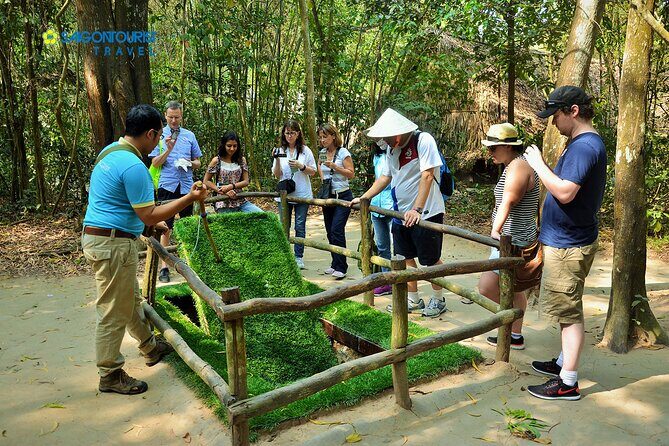
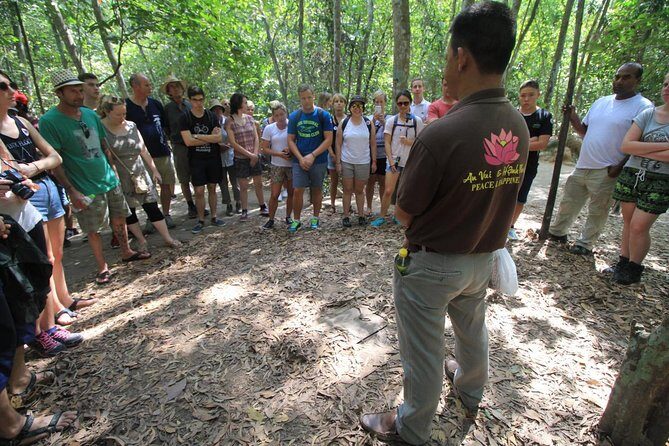
This tour is capped at a maximum of 30 travelers, which is a comfortable size for a guided history visit. It’s not a tiny private tour where you get all the attention, and it’s not so huge that you spend the day shouting over each other. That balance usually makes the explanation clearer.
The guide quality is also a strong part of the experience. In examples from the tour’s guides, Son is described as very helpful and able to share lots of information about Vietnam. Jimmy #10 is described as funny, with a history lesson that comes to life. Even if you don’t get those exact guides, it’s worth expecting that the tour is guided, not just “go explore.”
Practical tip: ask questions during the intro or while you’re in the tunnel areas. When you ask, you learn faster—especially because tunnel design is easier to understand when you can connect the explanation to what’s in front of you.
What you pay for: $35 that covers the stuff you’d otherwise add up
At $35 per person, the value depends on one key point: your ticket includes entrance fees and transport costs, with no hidden costs. For many tours like this, people end up paying extra once they’re already committed. Here, the price structure is simpler.
Also, you’re not only paying for a site entry. You’re paying for the guided flow: introduction, video context, tunnel exploration with explanations, the shooting range experience, and refreshments afterward. That’s why the half-day format feels reasonable. You’re getting multiple planned components in a single package.
It’s also worth noting that the tour is booked about 5 days in advance on average. That suggests it’s popular during peak times, so if your dates are fixed, you shouldn’t wait too long.
Who should book this Cu Chi tunnels half-day tour
This is a great fit if you want a guided, time-efficient visit that doesn’t require planning transport. It’s also a strong choice if you like structured history—intro first, then exploration—because the tour is built to help you make sense of what you’re seeing.
It can suit most travelers since the tour notes that most people can participate. That said, the content is serious: you’re learning about war, wartime living, and violence. If the topic hits a nerve, go in prepared for emotional weight.
If you’re traveling with someone who likes variety (tunnels plus an action moment at a range, then a snack break), this format tends to work well. If your group prefers a quiet museum-style pace only, you might find the range stop and shooting element too much.
Should you book this Cu Chi Tunnels tour?
For most first-timers in Ho Chi Minh City, I think it’s an easy “yes,” especially if you appreciate convenience and clear pricing. The included entrance and transport alone help you avoid decision fatigue. The intro video and guided tunnel explanations are the difference between seeing Cu Chi as a tourist maze and understanding it as a functioning war-life system.
My only caution is the drive time and the emotional subject matter. This isn’t a light diversion; it’s a powerful history outing, and the tour format includes time on the road plus the tunnel exploration plus the range experience.
If you’re ready for that balance—and you’re okay booking a non-refundable tour—then it’s a solid way to experience Cu Chi without the hassle.
FAQ
How long is the Cu Chi Tunnels half-day tour?
The tour is about 6 hours (approximately).
Do they pick me up from my hotel in Ho Chi Minh City?
Yes. Pickup is offered, with direct pickup from your inner-city hotel.
What does the ticket price include?
The ticket price includes entrance fees and transport costs, and refreshments (tea and cassava) are provided.
Is a mobile ticket used for pickup?
Yes. You’ll use a mobile ticket, meaning you download it to your phone rather than carrying paper tickets.
How big is the group?
The tour has a maximum of 30 travelers.
Can I cancel and get a refund?
No. This experience is non-refundable and cannot be changed for any reason. If you cancel or request an amendment, you won’t receive a refund.