REVIEW · HO CHI MINH CITY
Mui Ne Day Tour from Ho Chi Minh – Sand Dunes & Beach
Book on GetYourGuide →Operated by Enni tour · Bookable on GetYourGuide
Mui Ne compresses desert scenes and beach life into one full day. You’ll start with white dunes, then head to the red dunes for the big light changes, followed by a quick reset at Fairy Stream and a calmer finish by the sea. It’s a lot packed into one schedule, which is exactly why it can feel so satisfying.
I especially like the mix of textures: soft sand, then that shallow Fairy Stream walk, and finally the salty break at Mui Ne Beach. Another strong point is the human side—when the guide is on their game (one English-guide host named Lee stood out for being accommodating and well-informed), the pacing feels smoother and you get better context for what you’re looking at.
The main drawback to consider is expectations around timing. The tour is described as sunrise or sunset focused on the red dunes, but at least one group didn’t get the sunset they expected. If sunset is your number-one reason to go, I’d treat it as a “plan for it, don’t bet the whole trip on it” kind of outing.
In This Review
- Key things to know before you go
- Ho Chi Minh City to Mui Ne: Long Drive, Clear Payoff
- White Sand Dunes: Classic Views and the “Get Ready to Look” Moment
- Red Sand Dunes at Sunrise or Sunset: The Big Light, the Big Risk
- The jeep ride add-on
- Fairy Stream: Where the Tour Suddenly Gets Relaxing
- Mui Ne Fishing Village and Beach Time: Local Color Plus Breathing Space
- Price and Extras: What $55 Really Buys (and What Costs Extra)
- Common add-on costs you should expect
- The quick lunch strategy
- Holiday and language surcharges
- Who This Tour Suits Best in Real Life
- Should You Book This Mui Ne Day Tour?
- FAQ
- How long does it take to travel from Ho Chi Minh City to Mui Ne?
- What’s included in the $55 per person price?
- Is the jeep ride included?
- Do I need to pay entrance fees separately?
- Is Fairy Stream walking actually barefoot?
- Is lunch included?
- Does the tour guarantee sunrise or sunset over the red dunes?
- What languages are available for the guide?
- Can I reserve now and pay later?
- Can I get a refund if I cancel?
Key things to know before you go
- White Sand Dunes first: an easy warm-up with classic dune views before the day gets more photogenic.
- Jeep ride is optional: you can add it, but it’s not included—confirm what you’re paying for.
- Red dunes are the light show: the tour is set up for sunrise or sunset, so daylight timing matters.
- Fairy Stream is the star activity: a short barefoot walk through shallow red-orange water and rock formations.
- Fishing village plus beach time: you get local color, then actual downtime by the shore.
- There can be extra charges: lunch (if you choose it) and ATV/quad rides may cost extra.
Ho Chi Minh City to Mui Ne: Long Drive, Clear Payoff

This day trip starts with an early run out of Ho Chi Minh City and a comfortable air-con vehicle. The drive takes about 2 hours 45 minutes thanks to the newer expressway route, so you’re not spending the whole day white-knuckling traffic.
Why I think this matters: Mui Ne’s main sights don’t work like a quick stop. You need enough time for dunes, a stream walk, and beach downtime. A real “single-day plan” only works if the transfer isn’t brutal, and that drive time helps.
You’ll also be traveling with an English-speaking tour guide (other languages are available, but a surcharge applies). In practical terms, that’s what turns a bunch of photo stops into something you can understand as you go—especially at the fishing village, where local rhythms matter more than signage.
One thing to watch for: the schedule can feel interactive or, in some cases, a bit stop-start. A couple of groups noted waiting for the guide to move things along. So if you’re the type who hates downtime, keep your patience hat on and plan snacks and water accordingly (mineral water is included, but you might still want a little extra).
You can also read our reviews of more tours and experiences in Ho Chi Minh City.



White Sand Dunes: Classic Views and the “Get Ready to Look” Moment
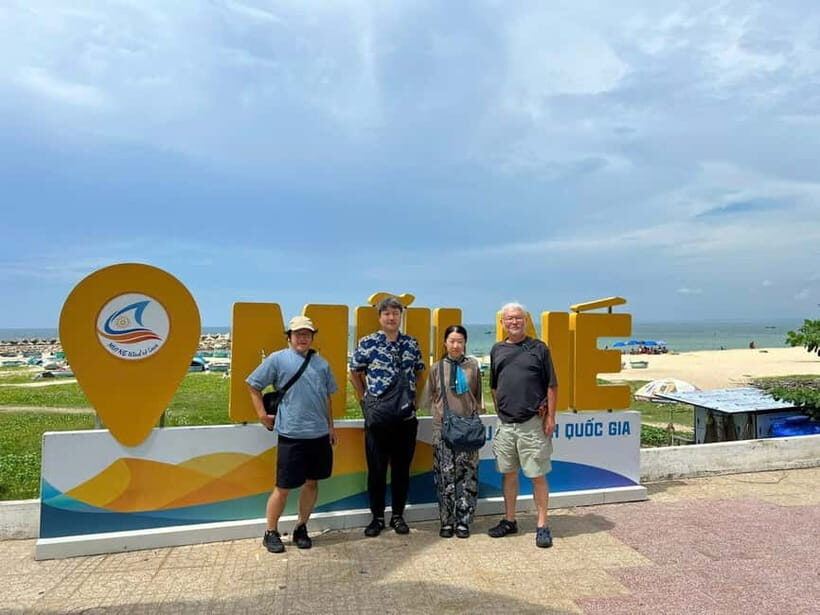
Your first big nature stop is the White Sand Dunes, which act like a visual warm-up for the day. This is where you get that immediate Mui Ne feel—wind-sculpted sand, wide open angles, and photo-friendly views that don’t require walking miles.
What makes this stop useful (even if you’re not a hardcore photographer): it sets your expectations for what’s coming next. Once you’ve seen the dunes in their lighter color, the shift to the red dunes feels more dramatic. It also helps you judge how much walking you want to do before you commit more time on later, more photogenic sections.
A practical tip: wear something you don’t mind getting dusty. Sand has a talent for finding its way into shoes and bag zippers, especially when you’re climbing or repositioning for angles.
Also, keep a little flexibility in your mindset. One comment suggested the red vs. white difference wasn’t as obvious as expected for everyone. That doesn’t mean the dunes aren’t pretty—it means your enjoyment will likely depend on the light, the weather, and how much you like big open scenery.
Red Sand Dunes at Sunrise or Sunset: The Big Light, the Big Risk

Next comes the Red Sand Dunes, the reason many people book this tour. The color and texture of the dunes become more dramatic around sunrise or sunset, which is exactly when this experience is designed to shine.
Here’s the reality check: at least one group reported missing the sunset even though it was advertised. That tells you the timing can vary. So instead of counting on a perfect “golden hour” ending, treat this part like a target. Ask your guide what the plan is for your day’s timing, and if you care about sunset photos, arrive with your focus and don’t assume the schedule will magically match your personal photo fantasy.
The jeep ride add-on
You may be able to do a jeep ride across the dunes (listed as optional / not included in the base price). If you add it, you’ll feel the motion and get angles that are hard to reach on foot.
Is it worth it? For me, that depends on two things:
- You like motion and don’t mind paying extra for it.
- You want a more “adventure” feel rather than a slow sightseeing walk.
Some riders also felt certain dune activities (like quad rides) were overpriced for the short time on the vehicle. That’s a good reminder to confirm the full cost and what the time actually looks like for you.
Fairy Stream: Where the Tour Suddenly Gets Relaxing

After the dune intensity, you’ll head to Fairy Stream, a shallow stream with vibrant red-orange cliffs. This is where the tour shifts from desert heat energy to a calmer, slower experience.
The barefoot walking is the signature move. The stream is shallow, and you can walk through the water, which makes this stop feel hands-on and unusually fun for a day tour. One of the most praised elements in the feedback was exactly this river walk—people clearly remembered it as the most beautiful part.
Why Fairy Stream works for so many people:
- It’s active without being exhausting.
- The scenery is close up, so you get photo angles without hiking.
- You cool down naturally, which helps the rest of the day feel less rushed.
A practical note: water shoes or sandals might be your comfort choice. The tour description says barefoot walking, but you can still manage what’s comfortable for you—just be ready for slippery patches and keep your steps slow.
And because it’s a walk through a real place (not staged photo land), timing and guide communication matter. One group said they often had to ask when to move on, which can turn a relaxing walk into an awkward waiting game. If you’re prone to getting annoyed, check in with your guide early and keep your questions simple: where to go next, and how much time you have.



Mui Ne Fishing Village and Beach Time: Local Color Plus Breathing Space

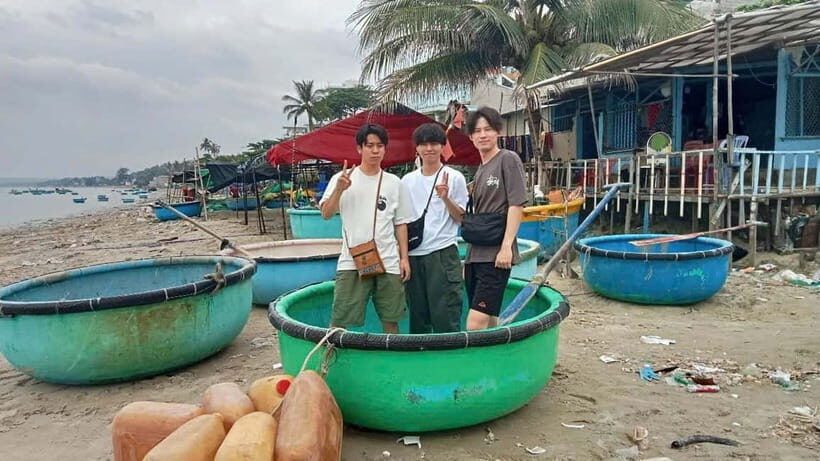
Then you’ll shift to a local fishing village. This part is less about landmarks and more about everyday life: colorful boats line the shore and the pace is slower. It’s a good contrast to the dune sections, and it gives the day more “Vietnam realism” than pure scenery chasing.
What you’ll likely enjoy here is the chance to see people doing normal work and trading rhythms. Even without needing a long lecture, a fishing village stop gives you context for why Mui Ne is a beach destination beyond tourism photos.
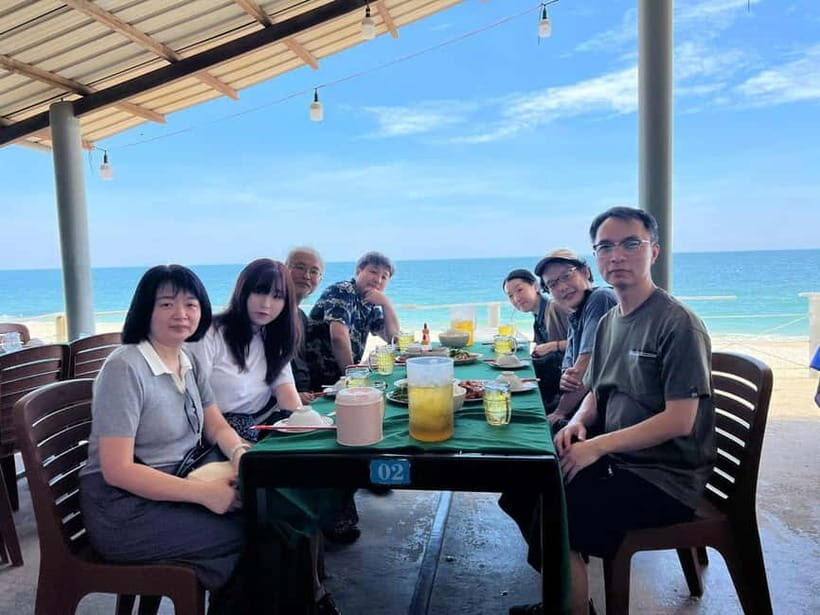
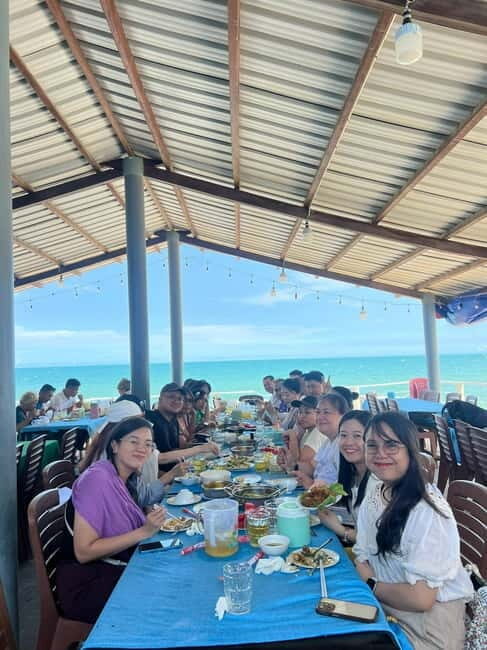
After that, the tour brings you to Mui Ne Beach for relaxation. The schedule includes time to relax, swim, or grab a drink. This matters because the best day trips don’t end on another adrenaline rush—they end with an actual chance to exhale.
A balanced reality check: some people feel the dunes can feel like tourist traps, while others love the scale. The beach time is usually the “make or break” buffer—if you gel with the seaside part, the whole day feels worth it.
Price and Extras: What $55 Really Buys (and What Costs Extra)
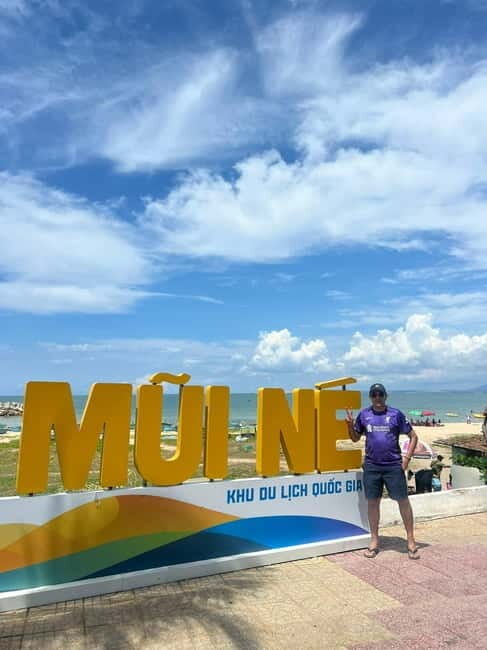
The base price is $55 per person, and it includes a lot that helps value: air-con transport, all entrance fees, an English-speaking tour guide, plus cool towels and mineral water. Lunch is listed as optional, which means you’re not automatically paying for a meal you may not want.
So where does the value sit?
- If you want a guided day with transport and entrance fees handled, this price looks reasonable.
- If you plan to add optional activities, the real cost climbs quickly.
Common add-on costs you should expect
The information you were given flags that ATV/jeep is not included. And feedback points to specific extra costs:
- Lunch was mentioned as 300,000 VND (and one person felt it was not worth the price).
- Quad ride costs were cited around 700,000 to 800,000 VND.
There’s also mention of extra fees when arrangements aren’t clearly explained ahead of time, including confusing parts of jeep/ATV setup. That’s not something you can control with wishful thinking—so do this instead: before you pay for any add-on, get a clear breakdown of what’s included and what is not.
The quick lunch strategy
If you’re on a tighter budget, consider whether you actually want the optional lunch. One person skipped the tour lunch and noted that there was a different food spot nearby (they mentioned a Mexican restaurant) that felt like better value. I’m not saying every alternative is cheaper, but it’s a strong hint that lunch isn’t the fixed value part of the day—your preference matters.
Holiday and language surcharges
If you travel during a Vietnam holiday, there can be a surcharge. And if you choose a non-English guide language, there’s a surcharge as well. These don’t mean the tour is overpriced. They do mean you should check your final price early so you’re not surprised later.
Who This Tour Suits Best in Real Life

This is the kind of day trip that fits well if you want variety more than one obsession.
You’ll likely enjoy it if:
- You like a structured day where transport and tickets are handled.
- You want both desert scenes and a water walk.
- You care about convenience more than DIY planning.
It may feel less ideal if:
- You’re mainly chasing a guaranteed sunset experience at the red dunes.
- You hate waiting around when timing isn’t tight.
- You’re sensitive to add-on costs (jeep/ATV and lunch can change the total fast).
Guide quality can make a difference. One feedback mentioned Lee specifically as an excellent host, and that kind of guiding tends to reduce friction and improve how smoothly the day flows. If you’re deciding between options, the guiding staff and communication style are worth factoring in.
Should You Book This Mui Ne Day Tour?
If your goal is a full-day, highlights-based Mui Ne sampler, this tour can be a good buy. The combination of white dunes, red dunes at the light-focused time, Fairy Stream barefoot walking, and then fishing village plus beach downtime is a solid set of experiences for one day.
I’d book it if Fairy Stream and the general scenery mix are your priorities, and you’re okay with optional extras. I would hesitate—or at least ask lots of questions—if you’re paying specifically for a sunset moment and timing precision matters more than anything else.
Bottom line: for many people, this is a practical way to see Mui Ne without building a whole plan from scratch. Just go in with clear expectations about optional activities and check how the red-dune timing will work on your day.
FAQ
How long does it take to travel from Ho Chi Minh City to Mui Ne?
The drive takes about 2 hours 45 minutes via a new expressway route.
What’s included in the $55 per person price?
It includes air-con transport, entrance fees, an English-speaking tour guide, cool towels, and mineral water. Lunch is optional.
Is the jeep ride included?
No. The jeep/ATV experience is listed as not included, though it’s offered as an optional add-on.
Do I need to pay entrance fees separately?
No. Entrance fees are included.
Is Fairy Stream walking actually barefoot?
The experience is described as walking barefoot through the shallow stream water.
Is lunch included?
Lunch is optional, and there may be an additional cost if you choose it.
Does the tour guarantee sunrise or sunset over the red dunes?
The experience is described as watching sunrise or sunset over the red dunes, but timing can vary.
What languages are available for the guide?
Languages listed are English, Japanese, Chinese, French, Italian, and German.
Can I reserve now and pay later?
Yes. The option is listed as Reserve & Pay Later.
Can I get a refund if I cancel?
Cancellation is described as possible up to 24 hours in advance for a full refund.
If you want, tell me your travel dates (weekday vs holiday) and whether you care more about sunset photos or the Fairy Stream walk, and I’ll help you judge whether the optional jeep/ATV add-ons are worth it for your style.