REVIEW · HO CHI MINH CITY
Experience half-day cooking class with market visit
Book on Viator →Operated by "Mai" Home - The Saigon Culinary Art Centre · Bookable on Viator
Ben Thanh and a cutting board in one morning. This half-day class pairs an ingredient hunt at Ben Thanh Market with hands-on lessons built around three-region Vietnamese techniques. I like that you learn by doing, not just watching—and I especially liked how the market walk turns random produce and spices into cooking decisions you can repeat. One real consideration: the market visit can be time-dependent, and later sessions may skip it once stalls close around midday.
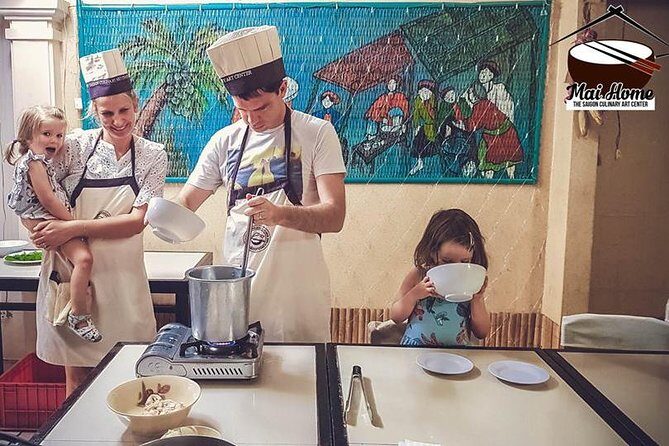
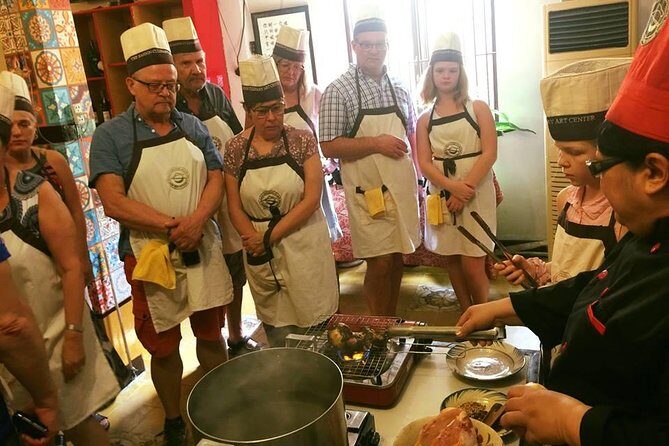
In the kitchen at Mai Home, the vibe is friendly and structured. You’ll get a welcome drink, hear the Kitchen God story, and follow the chef through each step with basic cooking methods explained in a way that actually helps you cook at home. In one class I saw mentioned, the instructor was called Nova, and the teaching pace came through as clear and organized.
At the end, you sit down to a proper meal you helped make, then leave with a recipe book, a certificate, and a souvenir gift. The downside to keep in mind is simply that you’re paying for a specific format—so if you’re looking for a long, deep market experience or lots of extra drinks, that won’t be part of the deal.
In This Review
- Key things I’d plan around
- Ben Thanh Market walk: spices, produce, and what to look for
- Kitchen God story and the step-by-step cooking flow
- Three-region Vietnam: how the chef ties dishes to style
- The hands-on menu: salads, braised chicken, noodles, and fruit carving
- Your lunch or dinner feast: eat what you cooked
- Chef Nova’s style: friendly, organized, and practical
- Morning market vs afternoon/evening: pick the version that fits your priorities
- Value for $42: what you get beyond recipes
- Practical tips to make it easier on yourself
- Should you book Mai Home in Ho Chi Minh City?
- FAQ
- How much does the cooking class cost?
- How long is the experience?
- Where does the class start?
- Do I get to visit Ben Thanh Market?
- What do I eat during the class?
- What cooking styles and dishes are included?
- Is fruit carving included?
- What take-home items do I receive?
- Is the class limited in size?
- Is drop-off included?
- FAQ
- Is free cancellation available?
- Do I get a mobile ticket?
- Is there pickup from a hotel?
Key things I’d plan around
- Ben Thanh Market timing matters: the market tour is tied to the morning schedule; later sessions may omit it.
- You cook a full meal, not snacks: expect a lunch or dinner spread connected to the recipes you make.
- Three-region Vietnamese focus: dishes are taught across North, South, and Central Vietnam styles.
- Fruit carving is included: you’ll learn and make a fruit carving as part of the experience.
- Hands-on, step-by-step teaching: the class structure is designed for beginners to pick up core methods.
- Everything take-home is included: you leave with a recipe booklet, certificate, and souvenir gift.
Ben Thanh Market walk: spices, produce, and what to look for
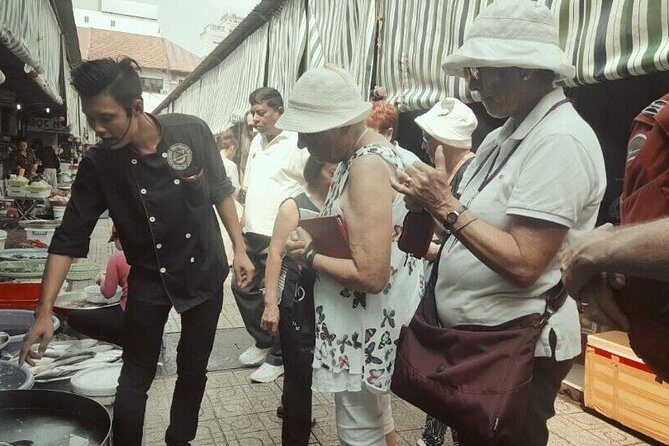
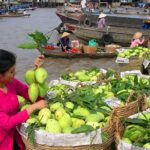
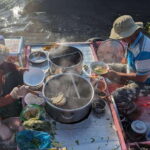
Your class starts at Ben Thanh—at Phan Chu Trinh, in Quận 1. From there, you meet up with the chef and head into the market together to see ingredients up close and understand how they show up in everyday Vietnamese cooking.
This is the part I value most because it changes how you shop later. Instead of seeing herbs, vegetables, and spice blends as a confusing pile, you learn what they’re doing in the dish. The class is aimed at beginners, so you get guided context—what to buy, what to recognize, and what to pay attention to when you cook.
You also get that first “you’re in Vietnam” feeling fast: the sights, the smells, the pace. The market visit is also why it works best in the morning. There’s a note that after Covid, food stalls close by 12:00, which is why market access may not apply to afternoon or evening options.
You can also read our reviews of more shopping tours in Ho Chi Minh City



Kitchen God story and the step-by-step cooking flow
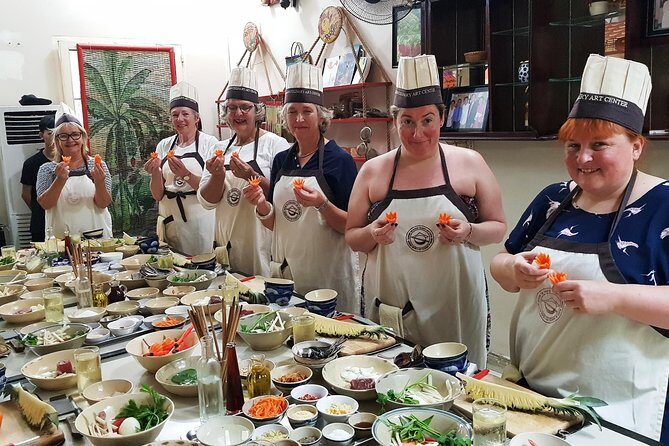
Back at the activity location, the class shifts from market browsing to kitchen technique. You’ll be offered a welcome drink and then brought into the story about the Kitchen God, which gives the meal a cultural frame rather than treating cooking like a lab exercise.
From there, the method is simple: you participate in each step. The class is designed so you learn the sequence—prepping, cooking, seasoning, and assembling—rather than just memorizing finished dishes. If you’ve ever watched cooking videos and thought, Sure, but how do I get there, this structure is the point.
The chef also covers basic cooking methods. That matters because beginners don’t just need recipes; you need the underlying moves that keep you from failing at every new dish.
And yes, the cooking space is described as clean in at least one experience I reviewed, which is reassuring when you’re leaning into hands-on work.
Three-region Vietnam: how the chef ties dishes to style
One of the best parts is the promise of learning from all three regions of Vietnam: North, South, and Central. Many cooking classes focus on a single style. Here, the idea is that Vietnamese food changes depending on where it comes from—and you’ll cook across those differences.
You’ll see that in how flavors balance. Even when dishes sound similar at first glance, the underlying technique and seasoning approach can feel distinct. The class doesn’t ask you to become an expert; it aims to help you notice patterns you can use later.
This is also why the market visit helps. Ingredients that look interchangeable often aren’t. When you understand what the chef is selecting for a specific style, you’re more likely to recreate the dish correctly when you get home.
The hands-on menu: salads, braised chicken, noodles, and fruit carving
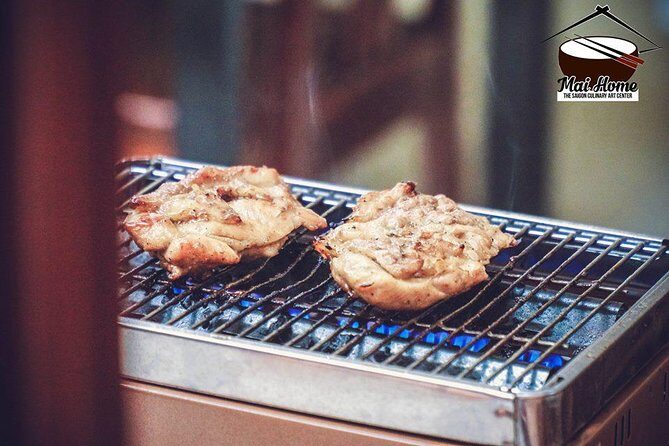
Your menu changes daily, but the class includes a mix of dishes built around common Vietnamese comfort foods plus a signature fun element: fruit carving.
Sample dishes include a beef salad paired with young banana and star fruit, or different kinds of typical rolls served with a special dipping sauce. Another option features braised chicken with ginger, paired with either a sizzling pancake or a chicken noodle soup, along with happy steamed rice (and sometimes vegetable sides).
Then comes the fruit carving. This isn’t just decorative; it’s treated as part of the learning experience. You get to take something home that looks like the kind of food presentation Vietnam is famous for, even if you’re a beginner cook.
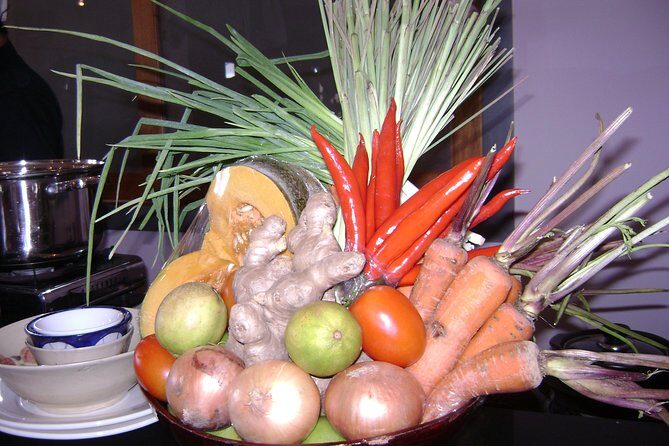
The class also includes everything needed to cook the dishes—ingredients are part of the package—so you’re not stuck hunting down weird items while everyone else is already working.
Your lunch or dinner feast: eat what you cooked
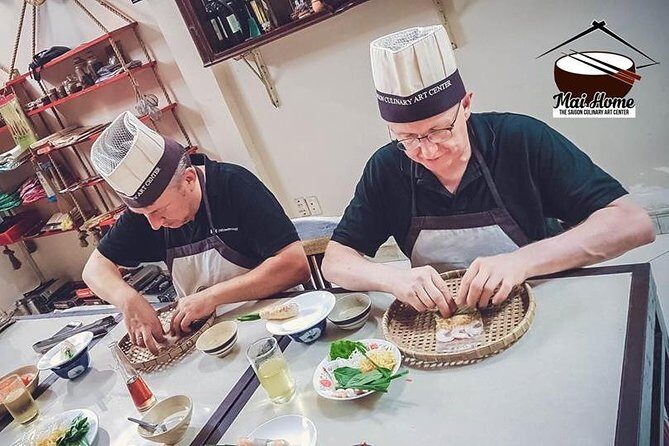
After cooking, you sit down and feast on what you made. This isn’t a “snack and go” moment. You’ll have a full lunch or dinner (depending on your session), served with items connected to the recipes you prepared.
An iced tea is included, and you’re in a convivial ambiance with new friends around you in the cooking class. Even when the group is small, the payoff is the same: you get to taste the results of your work while everything is still fresh and on schedule.
If you care about food value, this part matters more than most people think. You’re paying for time and skill-building, but the final meal is the proof. It’s where you find out if the technique actually worked.
You can also read our reviews of more tours and experiences in Ho Chi Minh City


Chef Nova’s style: friendly, organized, and practical
The chef experience is consistently described as friendly, passionate, and organized. In one account, the instructor was named Nova, and the teaching approach was praised for being clear and helpful during both the market visit and the cooking session.
What I like about that style is how it turns “tips” into practical action. Instead of random advice, you get coaching at the moments you need it: prepping steps, how to handle sauces, timing, and how to apply basic methods without panic.
English instruction shows up in at least one review, so if that’s your concern, you’ll likely be able to follow along without playing culinary charades. The class is also described as beginner-friendly, which shows up in the pacing and the structure.
Even better: you’re not just hearing instructions. You’re doing the steps, which is where cooking classes usually either succeed—or fall into watching-and-cheering mode.
Morning market vs afternoon/evening: pick the version that fits your priorities
The experience comes in multiple options, and the big difference is how the market part is handled.
Morning and afternoon course descriptions tie to the idea of visiting Ben Thanh. But there’s also a specific note stating that the market visit is only in the morning session—afternoon and evening courses omit it because stalls close at 12:00 after Covid. So the practical advice is to choose based on when you can start.
If you want the full market-to-kitchen arc—seeing ingredients, then cooking with them—go for the morning. If you just want the cooking and meal, the shorter evening option can still deliver, even if you miss the ingredient walk.
This also affects what you should expect from the schedule. Later sessions are described as shorter, and they skip the market tour.
Value for $42: what you get beyond recipes
At $42 per person, the value is mostly about what’s included. You’re not just taking a class and leaving. The package includes:
- Market visit (for morning options) and ingredients
- Lunch or dinner, plus an iced tea
- A recipe book
- A certificate
- A souvenir gift
That bundle matters. Many cooking classes charge a similar amount for instruction only, then you pay extra for meals. Here, the meal is part of the experience, and the recipe book plus certificate turns it into something you can reference later.
Also, the class caps at a maximum of 30 people. That doesn’t guarantee personal attention, but it supports a more manageable setting than very large groups.
As for extra costs, the only clear exclusions are other drinks and any extra charges if they come up, plus drop-off is not included. Plan to meet at the starting point and handle your own way back to the area afterward.
Practical tips to make it easier on yourself
Because you’re meeting at Ben Thanh and, in morning options, walking through the market, go prepared for some time on your feet. Comfortable shoes help, since you’ll be moving between the market and the cooking location.
Bring your curiosity. The best part of a market visit is asking yourself what you’d recognize later. When the chef explains ingredients, try to connect each item to the dish you’ll make—this is what turns the class into repeatable cooking.
Wear an expect-a-workshop mindset. This is hands-on, step-by-step cooking for beginners, so you’ll likely do prep and cooking tasks rather than just observe.
Finally, double-check which session you booked if you care about the market. The key note is that the market visit is only in the morning session because stalls close at 12:00.
Should you book Mai Home in Ho Chi Minh City?
If you want a short Vietnamese cooking experience that gives you real skills, this is a strong pick. I think it’s especially worth booking if you’re a beginner who wants structure—market ingredients in the morning, then clear steps in the kitchen, ending with a meal you cooked. The combination of three-region dishes, fruit carving, and take-home recipes is a practical way to bring more than food memories back home.
Skip it only if your main goal is a long market walk or you’re booking a time that may omit the market portion. Also, if you expect lots of extras like additional drinks or hotel-style convenience, remember those aren’t included in the basic package.
If you can do the morning option, you’ll likely get the most complete storyline: ingredients first, then cooking, then eating.
FAQ
How much does the cooking class cost?
It costs $42.00 per person.
How long is the experience?
It’s a half-day cooking class.
Where does the class start?
The class starts at Phan Chu Trinh, Bến Thành, Quận 1, Ho Chi Minh City, Vietnam.
Do I get to visit Ben Thanh Market?
Yes for morning sessions. There’s also a note that the market visit is only in the morning session, and afternoon/evening sessions omit the market tour because stalls close at 12:00.
What do I eat during the class?
You’ll have lunch or dinner as part of the experience, along with an iced tea.
What cooking styles and dishes are included?
You’ll learn to prepare dishes from all three regions of Vietnam (North, South, and Central). Daily menus vary, but examples include beef salad, braised chicken with ginger, noodle soup options, and fruit carving.
Is fruit carving included?
Yes, fruit carving is included in the class.
What take-home items do I receive?
You receive a recipe book, a certificate, and a souvenir gift from Mai Home.
Is the class limited in size?
Yes. It has a maximum of 30 travelers.
Is drop-off included?
No. Drop-off is not included.
FAQ
Is free cancellation available?
Yes, you can cancel for a full refund up to 24 hours before the experience’s start time.
Do I get a mobile ticket?
Yes, the experience uses a mobile ticket.
Is there pickup from a hotel?
Pickup is described as happening only once, either from your hotel or from the market, depending on the session (and the market visit timing).