REVIEW · HO CHI MINH CITY
Explore Cu Chi Tunnels & Saigon History 1 Day Tour
Book on Viator →Operated by Joy Journeys · Bookable on Viator
Few places in Vietnam feel this real.
This Cu Chi Tunnels & Saigon History day trip is built around seeing the war from ground level, literally with time in the tunnel system and stops that connect underground life to what you see above. I especially like the small group size (max 10 people) and the tight, story-driven pace from tunnels to museums, including the chance to touch an ex-US Army tank and spot wartime features like booby traps. One thing to consider: the subject matter is heavy, and the tunnel time can feel tight and physical, so it’s not the best pick if you want a light, laid-back day.
You start early from central Ho Chi Minh City areas (District 1, 3, and 4), and the day moves fast but not chaotic. The tour also pairs the Cu Chi experience with iconic Saigon landmarks like the Notre-Dame Cathedral and the Central Post Office, so you get war context plus city context in the same outing. I also like that lunch is handled for you with pho (or vegetarian on request), which saves decision-making when you’d rather just enjoy the day.
In This Review
- Key highlights you’ll feel right away
- Price and value: is $63 a smart deal for this route?
- Start time and pickup: how the day actually begins
- Cu Chi Tunnels: where the war becomes physical
- What you’ll see and do underground
- The emotional reality check
- Back in the city for lunch: pho break, then war museum
- War Remnants Museum: the part that sets the record straight
- Secret Weapons Cellar and the Hidden Bunker: guerrilla tactics, explained
- Notre-Dame Cathedral and Central Post Office: Saigon’s French-era landmarks
- The Last Helicopter sculpture: a final wartime symbol
- Group size and guides: how the experience feels in practice
- What to wear and pack for Cu Chi (so you don’t regret it)
- Who this tour is best for (and who should skip it)
- Should you book Joy Journeys’ Cu Chi Tunnels & Saigon History?
- FAQ
- How long is the Cu Chi Tunnels & Saigon History tour?
- Where do you get picked up in Ho Chi Minh City?
- Is lunch included, and can I get vegetarian food?
- What’s included in the price?
- Does the tour include time at the War Remnants Museum and other sites?
- What kind of group size should I expect?
Key highlights you’ll feel right away
- Small group cap (10 guests): easier questions, more human pace, less crowding at key stops
- Tunnel access plus hands-on moments: crawling inside, seeing booby traps, and touching an ex-US Army tank
- War storytelling beyond the tunnels: the Secret Weapons Cellar and the Hidden Bunker connect guerrilla tactics to what you saw underground
- Real city contrast in the afternoon: Notre-Dame Cathedral, Central Post Office, and the Last Helicopter sculpture
- Lunch and basics included: pho or vegetarian lunch, snacks, and bottled water (2 per guest)
Price and value: is $63 a smart deal for this route?
At $63 per person for roughly 10 to 11 hours, the value is mostly about what’s bundled. You’re not just getting transport. You’re paying for a structured day that ties together Cu Chi Tunnels, multiple war-related stops, and key Saigon sites, all with time built in rather than squeezing everything into “check it and run” mode.
What you’re getting that matters for value:
- Round-trip pickup from your area in central Ho Chi Minh City (Districts 1, 3, and 4) and an air-conditioned vehicle for the long day out and back
- Included admissions and fees across the main sites, including the tunnels and the War Remnants Museum
- Lunch included (pho, or vegetarian if you ask in advance) plus snacks and bottled water
A fair caution: this is a full-day schedule with several stops. If you’re the type who likes extra downtime to wander on your own, plan to treat this as a “do one big thing well” day. If you want one organized route that covers the core Cu Chi experience and important Saigon context, it’s a strong match.
You can also read our reviews of more historical tours in Ho Chi Minh City

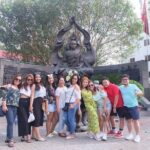

Start time and pickup: how the day actually begins

The tour starts at 7:30 am. Pickup is offered from accommodation in District 1, District 3, and District 4, with pickup time taking about 30 minutes on average. That matters because Cu Chi is outside the city center. You’ll be grateful for the early start once you’re in the car and the morning light is doing its job—before the heat stacks up.
The vehicle is air-conditioned, and there’s an included snack and bottled water setup, so you’re not scrambling for basics mid-route. Also, the tour uses a mobile ticket, which usually means fewer paper hassles at check-in.
Cu Chi Tunnels: where the war becomes physical
The first major stop is the Cu Chi area, and you get about 2.5 hours there with the admission included. This isn’t a quick viewing platform. The point is to experience what underground life required—movement, concealment, and survival.
What you’ll see and do underground
This is where the tour earns its reputation. You’ll have time to:
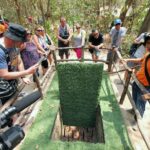
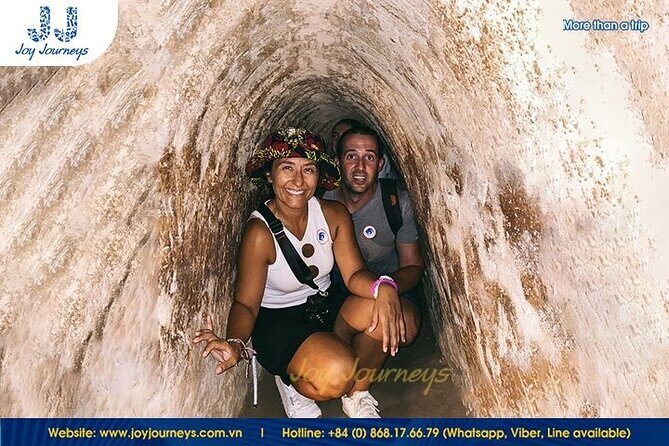
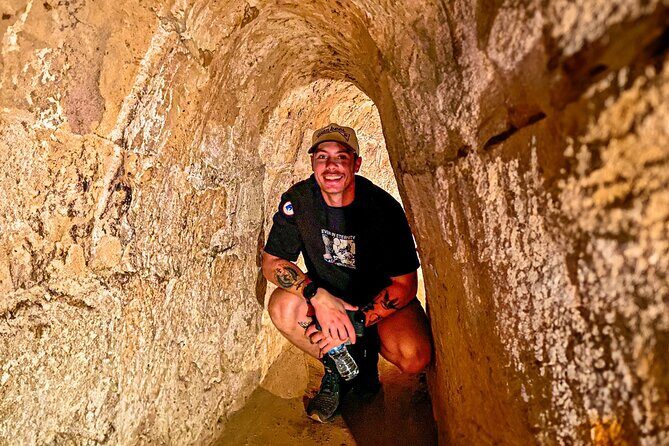
- Explore the underground tunnel network
- See booby traps used during the war
- Crawl inside parts of the tunnels (so wear patience and breathable clothing)
- Get a chance to touch an ex-US Army tank, which is a rare, memorable hands-on moment compared with typical museum-only tours
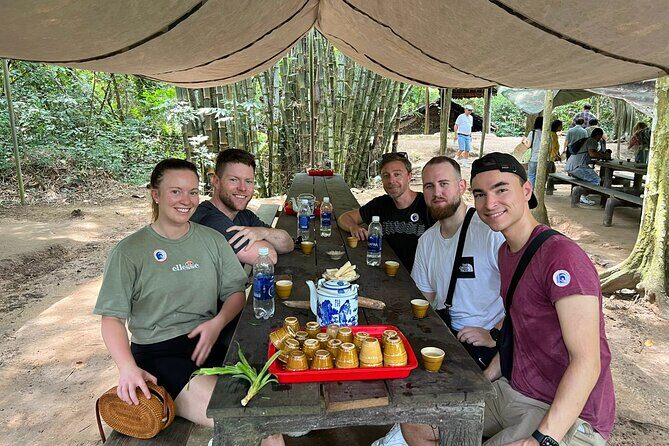
- Taste tapioca made from locally grown ingredients, served next to the tunnels
That tasting moment is small but meaningful. It connects tactics to daily survival—how food could be produced and eaten with constraints. It’s one of those details that makes the war story feel less like a timeline and more like lived reality.
The emotional reality check
The Cu Chi Tunnels are a place where the storytelling is unavoidably intense. The tour’s job is to explain the history and significance of the tunnels and how they supported guerrilla warfare. Go in knowing it’s not “fun,” exactly. It’s educational, and it can feel sobering—especially when you understand that these systems were built and used during real conflict.
If you’re sensitive to tight spaces or the idea of crawling, consider whether you’ll be comfortable physically. The tour is designed to let you participate, but the tunnel environment is still a tunnel environment.
You can also read our reviews of more tours and experiences in Ho Chi Minh City
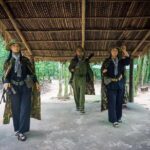





Back in the city for lunch: pho break, then war museum

After Cu Chi, the schedule brings you back to Ho Chi Minh City for lunch. You’ll get about 3 hours at this phase, with pho served at a local restaurant (and vegetarian lunch available if requested ahead of time).
This matters for pacing. A lot of war-focused tours throw you from one site to the next with no real recovery time. Here, lunch is built in, and pho is a smart choice for a day like this: warm, filling, and easy to eat even when you’re mentally tired.
Pro tip for a day tour like this: if you don’t usually like big meals early, go with a lighter bowl. You’ll still be eating later, and your head will want clarity for the museum content.
War Remnants Museum: the part that sets the record straight

Next stop: the War Remnants Museum, with about 1 hour on site and admission included. The museum focuses on documenting the atrocities of the Vietnam War, and it’s known for confronting what happened rather than softening it.
Why this stop adds real value after Cu Chi:
- Cu Chi shows tactics—movement, concealment, underground survival
- The museum shows the broader picture—impact, consequences, and documentation
You’ll likely leave with a better sense of how the tunnels fit into a much larger story. In other words, the tunnels explain the method; the museum helps explain the stakes.
One practical consideration: museum time can be emotionally draining. If you can, pace yourself—read slowly in the sections that hit hardest, and don’t feel like you must take in everything at maximum intensity. One hour is enough to get oriented and absorb key themes.
Secret Weapons Cellar and the Hidden Bunker: guerrilla tactics, explained
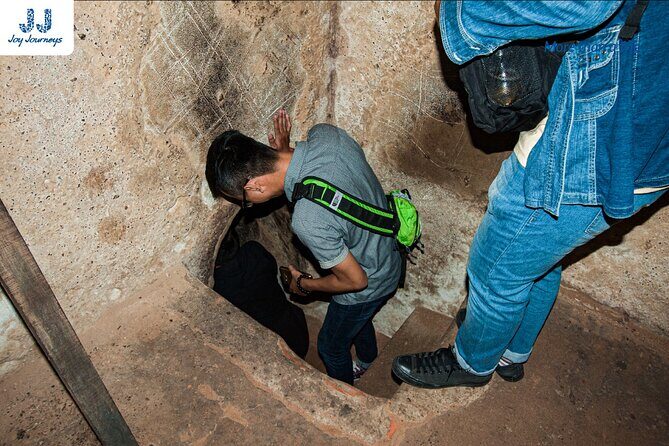
You then visit the Secret Weapons Cellar, with about 30 minutes there. This area was originally built by the Viet Cong and used as a base for guerrilla warfare and a way to move supplies and weapons undetected by American and South Vietnamese forces.
That “undetected” piece is key. It turns what you saw in tunnels from a physical space into a tactic. You start connecting the dots: hiding routes, storing supplies, and reducing exposure.
After that, the tour concludes with a visit to the Hidden Bunker, which the tour frames as a way to understand guerrilla tactics in Vietnam during the war. Even though you’re moving between sites in one day, the way the stops are sequenced helps. You’re not just collecting photos. You’re building a chain of understanding from underground life to the strategies that kept it running.
Notre-Dame Cathedral and Central Post Office: Saigon’s French-era landmarks
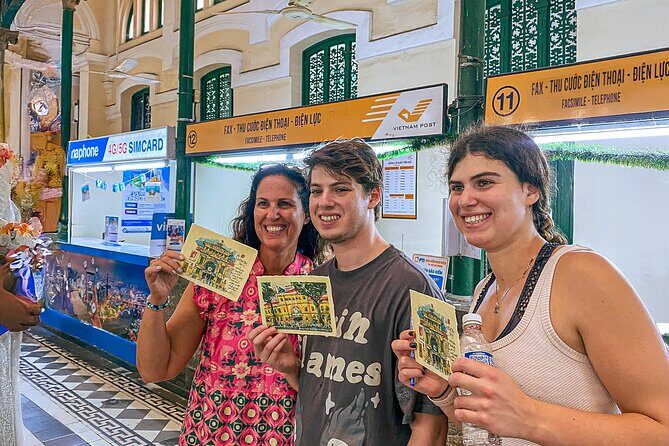
In the afternoon, the tour shifts gears from war-focused spaces to iconic city architecture:
- Notre-Dame Cathedral Basilica of Saigon for about 20 minutes
- Central Post Office (Saigon Central Post Office) for about 20 minutes
Both are from the late 19th-century French colonial period, and both sit in the heart of the city. The contrast is helpful. After the intense content, you get a breath of open-air city atmosphere and familiar landmark views.
These are short visits, so aim to use them for orientation:
- Notre-Dame Cathedral is a quick visual reset
- The Central Post Office is a classic stop if you like historic buildings and old-school city design
You won’t have time to do long photo marathons, but you’ll get a solid “I was there” snapshot and some context for Saigon’s layers.
The Last Helicopter sculpture: a final wartime symbol
The day also includes a stop at The Last Helicopter sculpture, which commemorates the end of the Vietnam War. The sculpture depicts a Huey helicopter taking off and symbolizes the moment of departure.
This is a small stop, but it works as emotional punctuation. You’ve seen underground tactics, museum documentation, and then the city’s historic facades. This final symbol gives you one last anchor point for the bigger story.
Group size and guides: how the experience feels in practice
This tour runs with Joy Journeys and keeps the group to a maximum of 10 travelers. That small-group format is one of the most praised parts, because it makes questions easier and helps the day stay under control.
Also, the tour description highlights well-English-speaking guides. You should expect clear explanations about the significance of each stop and what you’re looking at—not just dates and names, but practical meaning.
If you like tours where you can ask why something matters, this is likely the right style.
What to wear and pack for Cu Chi (so you don’t regret it)
The tour includes crawling inside tunnels, plus walking around multiple sites. Keep your plan simple:
- Wear comfortable closed-toe shoes (you’re moving on uneven surfaces)
- Bring light layers and something that won’t trap sweat
- Consider sun protection for the parts that are outside
- Bring a small water plan even though water is included (you’ll know your own pace)
If you’re prone to feeling claustrophobic, you might want to decide ahead of time how much tunnel crawling you want to attempt.
Who this tour is best for (and who should skip it)
This Cu Chi + Saigon history combo is a strong fit if you:
- Want a one-day route that covers both Cu Chi and key Ho Chi Minh City landmarks
- Like structured storytelling that connects war sites into a single narrative
- Prefer small-group touring
It may be a tough fit if you:
- Don’t want heavy war content in one day
- Are not comfortable with crawling or confined spaces
Should you book Joy Journeys’ Cu Chi Tunnels & Saigon History?
I think it’s an easy yes if you’re visiting Ho Chi Minh City and want your time to count. The best reasons to book are practical: small group size, real tunnel access, included admissions, and the way the route connects underground tactics to the War Remnants Museum and then back to the city.
The main reason to hesitate is also practical: the subject matter is intense, and the tunnel portion is physical and potentially uncomfortable. If you go in prepared and realistic about what you’ll feel, this is the kind of tour that turns into a long memory instead of a checklist.
If you do book, remember to request vegetarian lunch in advance if needed, and plan your day so you’re not rushing dinner plans afterward. This is a big one-day effort, done in a single sweep.
FAQ
How long is the Cu Chi Tunnels & Saigon History tour?
It runs about 10 to 11 hours total.
Where do you get picked up in Ho Chi Minh City?
Pickup is offered from accommodations in District 1, District 3, and District 4.
Is lunch included, and can I get vegetarian food?
Yes. Lunch is included as pho (Vietnamese beef or chicken noodles soup). A vegetarian lunch is also available if you request it in advance.
What’s included in the price?
The tour includes an air-conditioned vehicle, lunch, snacks, bottled water (2 per guest), and all fees and taxes. Admissions are included for the main stops listed.
Does the tour include time at the War Remnants Museum and other sites?
Yes. You visit the War Remnants Museum, plus additional stops including the Secret Weapons Cellar, Notre-Dame Cathedral, Central Post Office, and The Last Helicopter sculpture.
What kind of group size should I expect?
The tour is a maximum of 10 travelers.