REVIEW · CAN THO
Explore Floating Market with Local People
Book on Viator →Operated by CHN Explore Mekong Delta · Bookable on Viator
That’s the Mekong in a nutshell. This 5-hour Can Tho tour connects you with real river life and everyday food work, from the Cai Rang Floating Market to a family-run cacao farm. I love that you spend real time talking with locals, not just staring at scenery. I also like the pacing: market, factory tasting, chocolate process, then calmer canal time. One consideration: it depends on weather and river conditions, so your exact timing may shift a bit.
You’ll be on the water and around food. Bring a light layer and plan for humidity, because you’ll feel it during the outdoor market moments and canal boat ride. If you’re expecting a super long sit-down meal and lots of extra shopping stops, this isn’t that kind of day. It’s more about seeing how things get made and how people live along the Hau River and the small canals.
In This Review
- Key highlights you’ll feel right away
- Can Tho’s riverside meeting point at Ninh Kiều Wharf
- Cai Rang Floating Market: how to read a busy morning market
- Rice noodle “pizza” at a Can Tho rice factory
- Muoi Cuong Cocoa Farm: from cacao pods to chocolate taste
- Quiet canal time by traditional sampan boats
- Price and logistics: does $78 make sense here?
- Guide energy: when names like Nga (or Tom) matter
- Practical tips: timing, what to wear, and what to eat
- Should you book this floating market and canal tour?
- FAQ
- How long is the Floating Market with Local People tour in Can Tho?
- What’s included in the $78 price?
- How many people are in each group?
- Where do I meet the tour?
- Are any ticket costs included for the main stops?
- What happens if the weather is poor?
Key highlights you’ll feel right away
- Cai Rang Floating Market in the morning for the best chance to catch sellers actively working
- Rice noodle making with a hands-on stop at a local factory (tickets included)
- Family-run cacao at Muoi Cuong with chocolate process viewing and tastings (tickets included)
- Small canal boat time in a quieter pocket of Can Tho life, often with sunset light on some departures
- Small groups (up to 6) with an English-speaking guide and a more personal flow
Can Tho’s riverside meeting point at Ninh Kiều Wharf
Your tour starts at Bến phà Xóm Chài on Đ. Hai Bà Trưng in Ninh Kiều, Can Tho. This is a practical area to meet—close to where people actually gather by the river. You’ll also get an easy handoff from the tour team, and pickup is offered if you’re in the right area.
Ninh Kiều Wharf is a good opening act because it helps you get your bearings fast. You’re near the Hau River and the pedestrian bridge area, so you can watch daily movement before you head out into the market and canals. Think of it as your warm-up: you start to understand the geography of Can Tho—water first, roads second.
If you’re coming from another part of town, check with your driver about the exact pickup location. The meeting-point area is specific, and it’s the kind of place where it helps to be early so you don’t waste time circling.
You can also read our reviews of more tours and experiences in Can Tho.
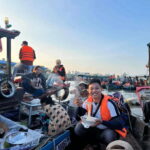
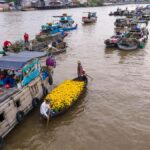
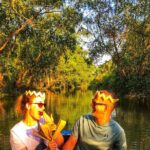
Cai Rang Floating Market: how to read a busy morning market
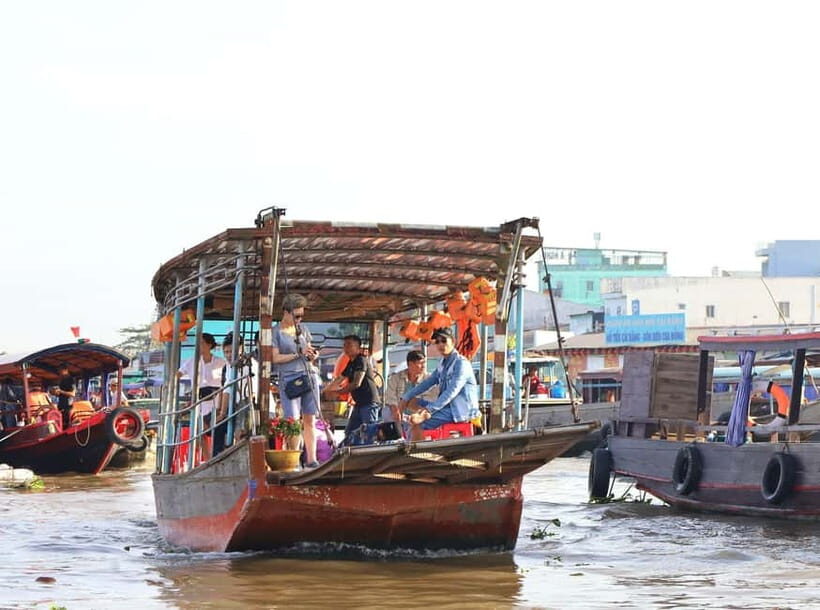
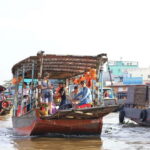
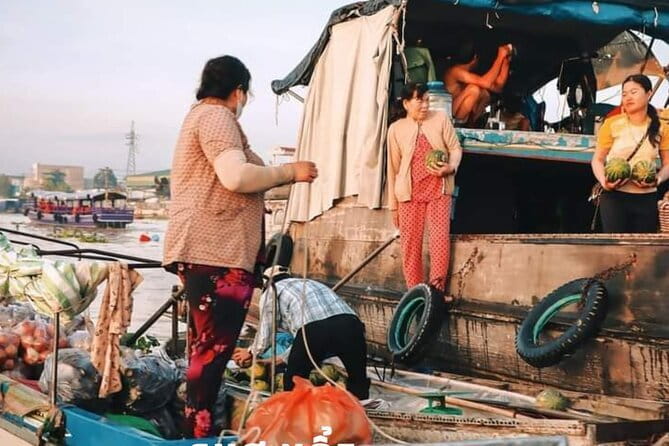
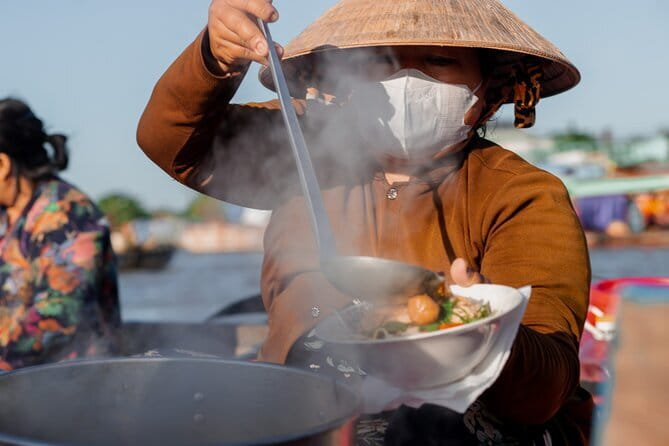
The tour’s main water stop is Cai Rang Floating Market. It’s one of the most famous floating markets in the Mekong Delta, and it runs in the early morning on the Hau River. That early timing matters because you’ll see more active trading and a better rhythm of boats coming and going.
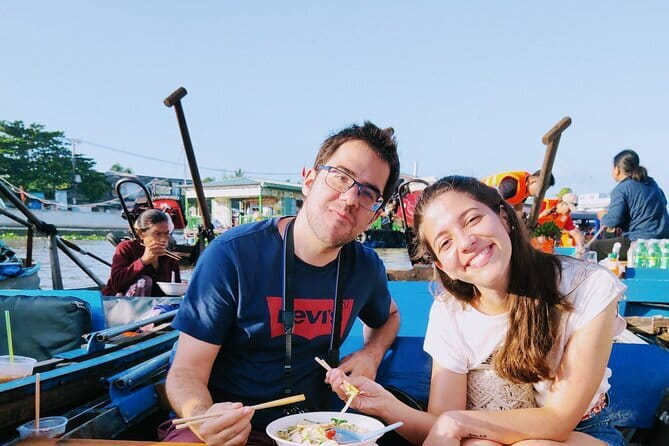
This is not a museum stop. It’s working river business. Expect boats stacked with produce, fruit sellers, and lots of quick conversations. Your English-speaking guide will help you make sense of what you’re seeing—what’s being sold, how buying and trading happens, and what daily routines look like for people who live around the water.
You’ll also get a sense of why floating markets have a special role here. In a place where waterways connect neighborhoods, markets aren’t just where people shop. They’re where communities meet, where information moves, and where seasonal produce is handled efficiently.
Admission is free for this floating market stop, so you’re not paying extra just to stand on a boat and watch. The value here is time and context, not just access.
Practical note: you’ll want sunscreen and water. Even when it’s comfortable outside, sun and humidity can hit hard on the river.
Rice noodle “pizza” at a Can Tho rice factory
Next you’ll visit a rice noodle factory stop known as Rice Noodles Pizza Sau Hoài. This is one of my favorite types of tour stops because it turns an ingredient you already use into a process you can actually see.
The idea is simple: rice becomes noodles. You’ll watch stages that typically include soaking, grounding, steaming into sheets, and cutting into fresh noodles. Even if you’re not a food-nerd, it’s fascinating to see how repetitive steps produce something delicate and ready to cook.
This stop is also built for your taste buds. Admission is included, and many factory visits are structured around letting you sample what’s made there. The practical win is that you’ll understand why certain noodle textures taste the way they do once you’ve seen the steps.
Drawback to consider: factory viewing usually isn’t long. This isn’t a full-on cooking class. It’s a quick, focused window into the craft, then you move on.
If you’re short on time in Can Tho, this is a smart add-on because it’s both cultural and useful. You’ll remember it later when you eat rice noodles in Vietnam and think, Oh, that’s why it feels like that.
Muoi Cuong Cocoa Farm: from cacao pods to chocolate taste
After noodles, you switch gears to sweets at Muoi Cuong Cocoa Farm. This is a family-run cacao farm known for handcrafted chocolate products. The stop centers on seeing how cacao becomes chocolate, not just buying a packaged bar.
You’ll learn the process end-to-end, from harvesting cacao pods to steps like fermenting and drying the cacao. That whole chain matters, because cacao flavor develops through how it’s handled after harvest. Your guide can help connect those steps to the taste.
Then there’s the part you actually want: you get to taste handmade chocolate treats. Admission is included here too, so you don’t have to pay extra for the farm experience. Also, a small farm visit is one of the better ways to support local livelihoods while you’re traveling. Your money goes to the people doing the work, not just to an extra layer of packaging.
What to keep in mind: chocolate farms can be warm and sometimes outdoors-heavy depending on where you walk. Bring light clothing you don’t mind getting a little dusty. And if you have any food allergies, ask your guide what’s in the tasting items before you try everything.
Quiet canal time by traditional sampan boats
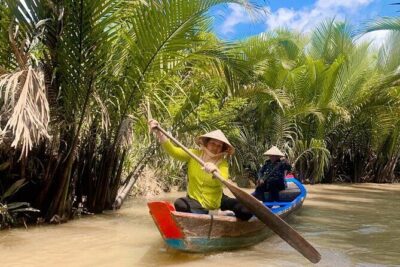
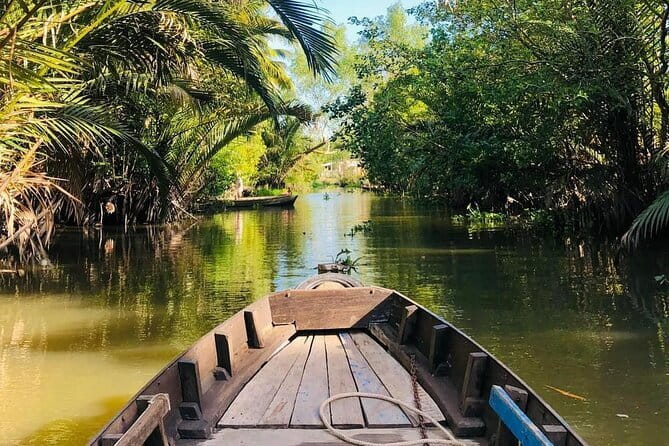
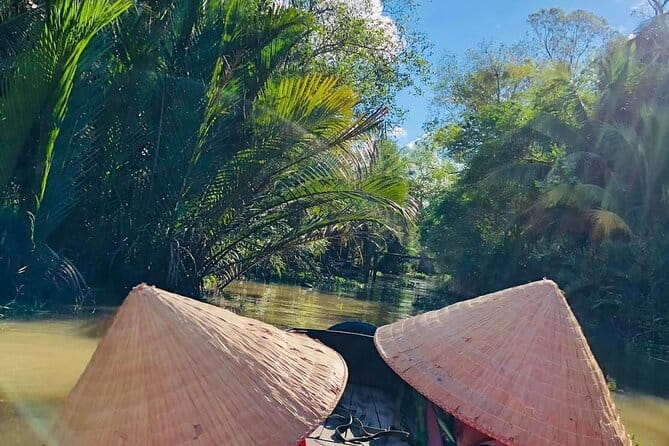
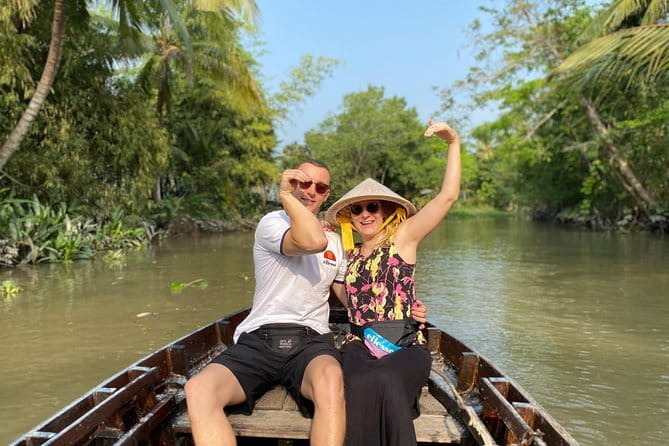
Here’s the change of pace. After the busier river market and the food-making stops, you get to explore the small canals in Can Tho. These narrow waterways are where you slow down and pay attention to daily life along the banks.
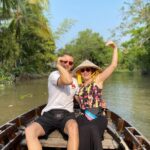
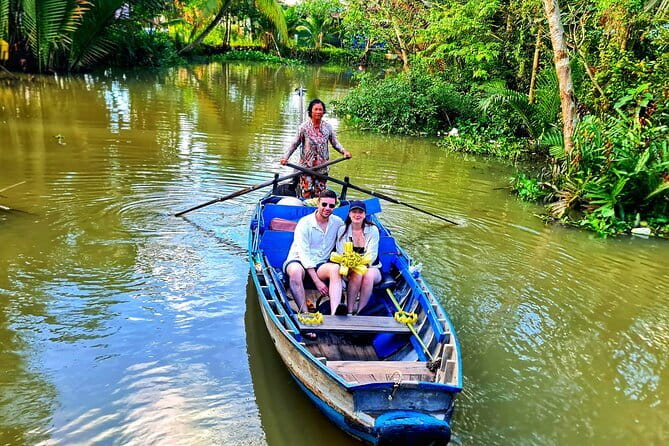
The tour is designed for boats, usually traditional sampan boats, because small canals are not the kind of places cars can reach. You’ll glide past homes and greenery, with less noise than the main river areas. It’s the kind of time where you start noticing details: how people organize their yards, how plants grow along water edges, and how wildlife shows up when you’re moving quietly.
One of the best moments on some departures is the sunset light on the canals. Even if you don’t catch sunset, the canal portion is still the “breathing space” of the tour. It’s peaceful, slower, and it helps the day feel balanced rather than nonstop.
A practical note: sitting on a boat can be cool if you catch evening breezes. Bring a light layer if you run cold.
Price and logistics: does $78 make sense here?
The price is $78 for about 5 hours, and it includes a lot of what makes this day feel real: breakfast, coffee and/or tea, sightseeing tickets, and an English-speaking guide. Also, the group size is capped at 6 travelers, which is a big deal. Small groups usually mean more time for questions and less time waiting.
For value, I look at three things:
1) Do I get access to places I couldn’t easily arrange alone?
2) Do I get context to understand what I’m seeing?
3) Is the day efficient without feeling rushed?
This tour hits all three. You get market time, two food-industry stops with included access, and canal boat time. The guide helps connect the dots so it doesn’t feel like a checklist.
One thing to consider: tips are not included for guides and drivers. If you feel the tour earned it, plan a little extra for gratuity so you’re not scrambling at the end.
Also, the tour uses a mobile ticket, and you may have pickup offered. If you’re staying a bit away from the meeting area, pickup can be the difference between a smooth day and a stressed one.
Guide energy: when names like Nga (or Tom) matter
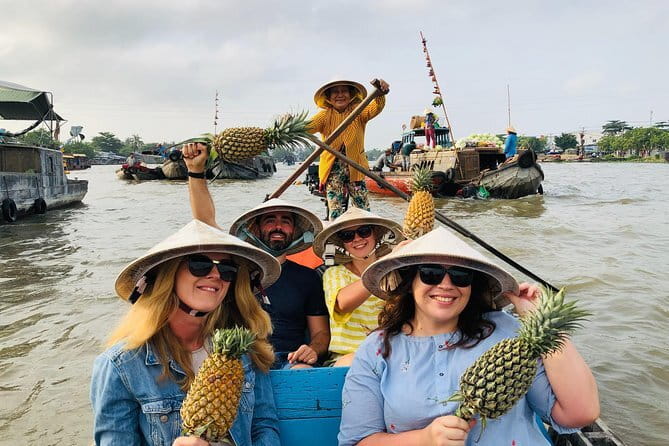
The difference between a good tour and a great tour often comes down to the guide. I love it when the person leading the day is friendly and explains things clearly—this one has that in spades.
One guide name you might meet is Nga. On canal-and-market days, Nga’s style is described as warm and calm, with extra time to walk and chat in local market areas. You’ll likely get the kind of guidance that makes you feel comfortable asking questions and tasting confidently.
Another guide name mentioned is Tom, with a super friendly approach and explanations that make the boat and walkway stops easier to understand.
You can’t control which guide you get, but the overall setup is designed for interaction. With an English-speaking guide, you’ll get help reading the market and understanding what you’re tasting—especially at the noodle factory and cacao farm.
Practical tips: timing, what to wear, and what to eat
Timing can vary by departure. The stated tour duration is about 5 hours, and there are runs that start in the afternoon and finish around 6:30pm. Your exact start time will be confirmed when you book, so use the confirmation details as your source.
What to wear:
- Light, breathable clothes for the heat
- A hat or cap for sun on the river
- Non-slip shoes for any boardwalk or boat steps
- A light layer for breezier canal time
What to expect for food:
- Breakfast is included, plus coffee and/or tea
- You’ll likely have tasting moments at the rice noodle factory and cacao farm
- The day is food-focused, but not heavy on formal sit-down meals
If you’re sensitive to strong smells or crowded-feeling spaces, ease into the market stop. The guide will help you find your footing. And if you’re worried about getting bored sitting on a boat, don’t. The canal portion is quiet, and the whole day changes pace so you don’t feel trapped.
Should you book this floating market and canal tour?
Book it if you want a Can Tho day that mixes big-name river culture with small, practical food stops. This is especially worth it when you like conversations, food-making processes, and the calmer side of the Mekong.
Don’t book it if you want a long, slow day with tons of free time to wander on your own. The day is structured: you’ll go from place to place, and the stops are set for watching and tasting more than leisurely roaming.
Also consider your weather tolerance. The experience requires good weather. If weather shuts it down, you’ll be offered another date or a full refund, but you do need a bit of flexibility.
If you can handle boats, humidity, and a morning-to-afternoon (or afternoon-to-evening) rhythm, this tour is a solid value at $78 because it includes the guide, tickets, and food moments that make the day feel connected.
FAQ
How long is the Floating Market with Local People tour in Can Tho?
It runs for about 5 hours (approx.).
What’s included in the $78 price?
The tour includes breakfast, coffee and/or tea, sightseeing tickets, and an English-speaking guide.
How many people are in each group?
The maximum group size is 6 travelers.
Where do I meet the tour?
The meeting point is Bến phà Xóm Chài, Đ. Hai Bà Trưng, Tân An, Ninh Kiều, Cần Thơ, Vietnam.
Are any ticket costs included for the main stops?
Yes. Cai Rang Floating Market has free admission for the stop, and admission is included for the rice noodle factory and the Muoi Cuong cacao farm.
What happens if the weather is poor?
This experience requires good weather. If it’s canceled due to poor weather, you’ll be offered a different date or a full refund. You can cancel for a full refund if you cancel at least 24 hours in advance.