REVIEW · CAN THO
floating market boat trip everyday
Book on GetYourGuide →Operated by TPN EDUCATION INVESTMENT AND DEVELOPMENT CORPORATION · Bookable on GetYourGuide
Cai Rang looks different before sunrise. This 4-hour Mekong Delta boat day is built around dawn on the floating market, when the river feels alive and locals are already buying and selling. I also like how the trip tacks on a hands-on rice noodle workshop, not just sightseeing. One catch: you need a very early start, often around 4 a.m., so plan an early night.
From there, the morning turns into a slow, scenic rhythm of canals, bird calls, and fruit gardens, all with an English-speaking guide. You’ll get coffee onboard, try fruit and even help make simple rice-paper-style noodles, then finish with village stops where nature and daily life are the real show.
In This Review
- Key things I’d mark on your must-do list
- Sunrise on the Mekong: why this boat trip hits harder than you expect
- Morning timing: what the 4-hour flow feels like
- Stop 1 on the water: heading to Cai Rang in the soft morning light
- What to watch for during this “travel” phase
- Cai Rang floating market: how the selling works up close
- A note on comfort
- Rice noodle workshop: from factory steps to a taste you remember
- Why this stop is good value
- Canal sightseeing: small nature moments that feel quietly special
- Fruit and village nature breaks
- Cocoa garden and the ancient chocolate tool: a small stop with big character
- Price and logistics: who this works best for
- What you should bring
- Quick practical tips to make the day smoother
- Should you book this Cai Rang sunrise boat trip?
- FAQ
- How long is the floating market boat trip?
- What time does the trip start?
- Is pickup included?
- What’s included in the trip?
- What should I bring?
- What group setup is this tour?
Key things I’d mark on your must-do list
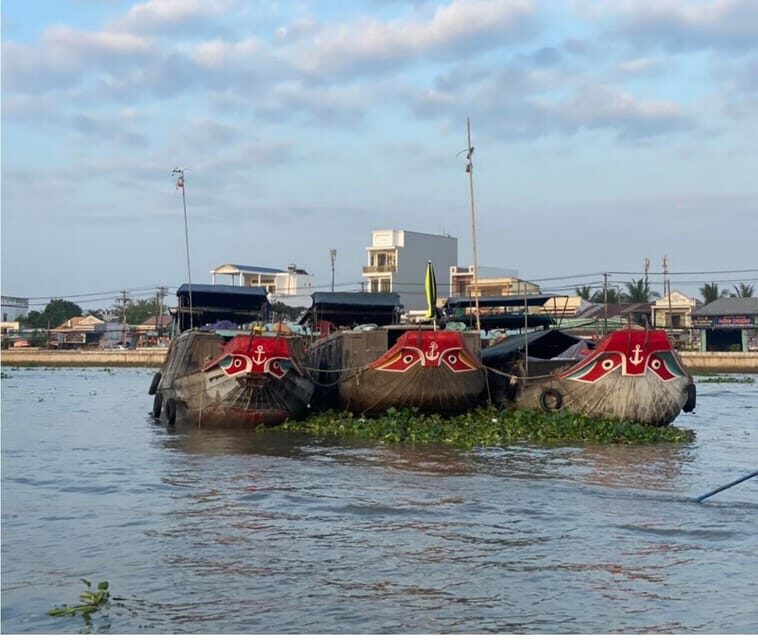
- Cai Rang at dawn: Wholesale boats stacked with produce before the day gets loud
- How sellers show items: Bamboo poles and hanging goods so you can skim what you want
- Hand-made rice noodle steps: A real factory visit and a tasting moment on the water
- Canal nature time: Water-coconut on the banks, ducks, and small creatures you might spot
- Fruit and herbs on the route: Picking fruit under shade plus smelling plants and herbs
- Chocolate-making by an old tool: A small, memorable detour in a cocoa garden
Sunrise on the Mekong: why this boat trip hits harder than you expect
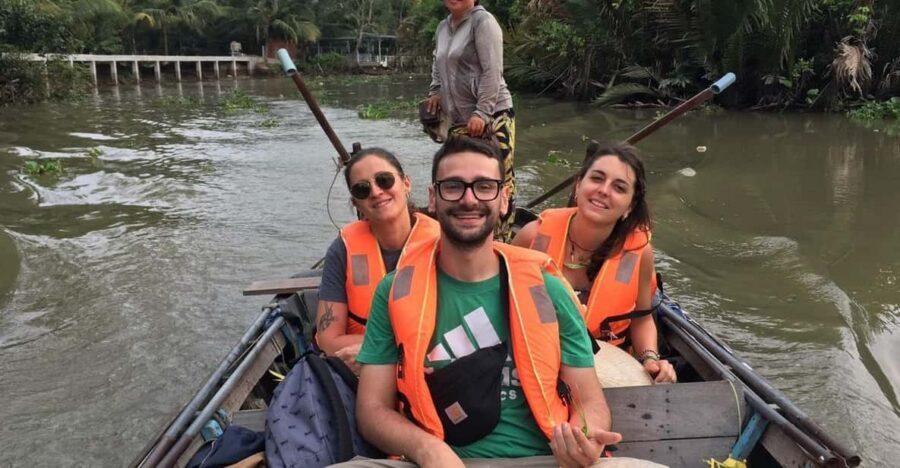
The Mekong Delta can feel like a blur if you only do the highlights from dry land. This route changes the pace. You’re on a wooden boat early enough that the river still feels cool and slightly quiet, then it builds into that unmistakable floating-market energy. Cai Rang starts at dawn for a reason: that early timing lines up with how wholesalers and growers move produce, and it lets you see the market before it becomes a packed spectacle.
Two things I really love about the way this trip is put together. First, you’re not just watching the floating market from far away. You’re close to the boats and the selling system, so you understand how it works. Second, you get a food workshop that’s actually hands-on: the rice noodle process is explained step-by-step, and you can taste what you help make.
The only drawback to really take seriously is the wake-up time. Even if your pickup is scheduled for later in the morning, the floating market runs early. The experience is worth it, but it helps to treat this like an early-morning commitment, not a casual tour you can sleep through.
You can also read our reviews of more boat tours in Can Tho
Morning timing: what the 4-hour flow feels like
This is a 4-hour experience, so it moves. You’ll start very early, with a scheduled pickup that can vary by your location. The general plan is to leave around 5:30 a.m, and some mornings run earlier around 4 a.m so you catch the liveliest action at Cai Rang.
The trip is paced in three main phases:
- Boat to Cai Rang at dawn
- Floating market time plus a rice noodle stop
- Canal sightseeing and village nature/food moments, then you wrap up
Because it’s only a half-day, you shouldn’t expect slow, lingering stops. Instead, you get a concentrated slice of Mekong life: enough time to see how locals live and trade, then enough time to enjoy nature without feeling rushed at the wrong moments. It’s a smart structure for first-timers and busy schedules.
Stop 1 on the water: heading to Cai Rang in the soft morning light
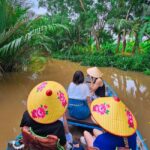
Before Cai Rang, you’re already learning the river. When the boat glides forward, you get views you simply can’t get from land paths: waterways threading between farms, banana growth you can spot at the right height, and the constant motion of boats carrying people and produce.
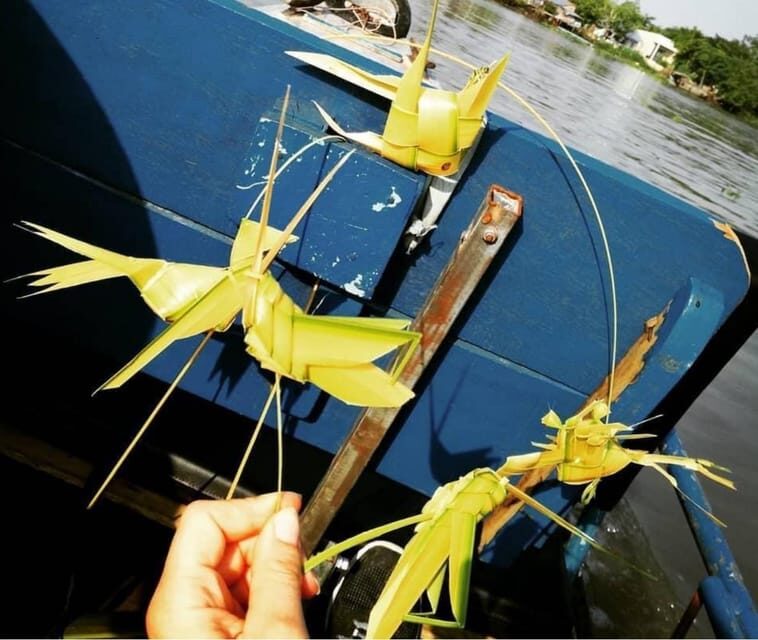
Your guide explains why floating markets start early. That context matters because once you understand the timing, you stop treating it like a tourist performance and start seeing it like a working system. You may also see small wildlife moments along the way. In rainy season, there can be fish jumping out of the water. You might also spot floating plants used in local cooking, plus little handmade water-coconut leaf decorations like animals and flowers.
One practical detail that makes the ride more pleasant: the boat serves coffee and green tea during the early segment. Coffee is offered at a very reasonable price (listed as about half a dollar per cup), which is welcome when you’re up before you’re fully awake.
What to watch for during this “travel” phase
- The rhythm of other boats: You’ll notice patterns of movement as produce deliveries flow in
- Vegetation along the canal edges: Water-coconut grows along the sides and becomes a visual theme
- Small river-life clues: Ducks swimming and occasional natural surprises during the slower stretches
Cai Rang floating market: how the selling works up close
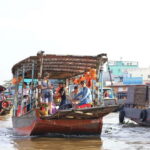
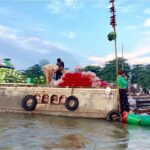
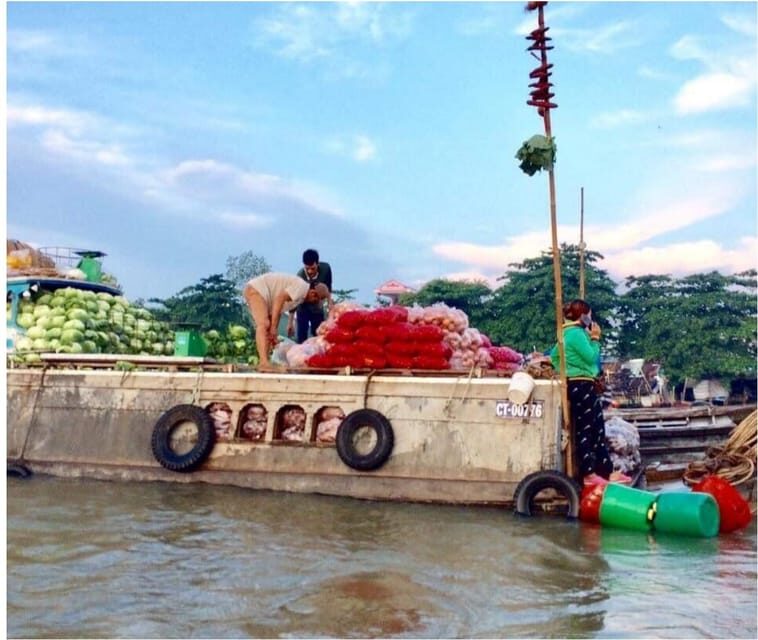
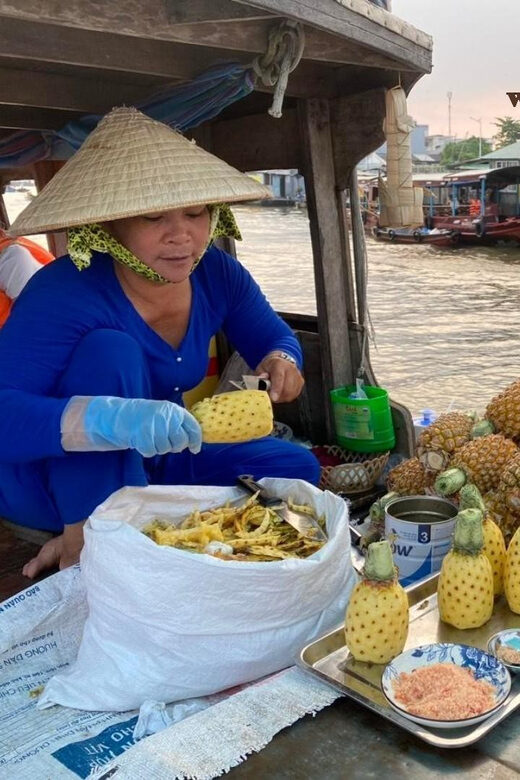
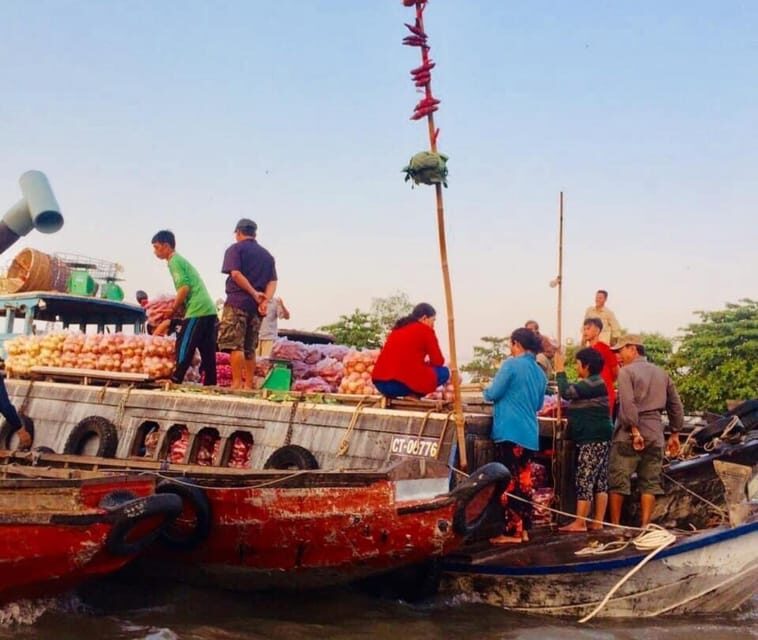
Cai Rang is the headline, and it’s best when you can watch it before the crowds thicken. When the boat reaches the market, you’ll see why Cai Rang is known as a wholesale hub: many boats carry loads of farm goods, and the exact produce changes with season. You may see mango, watermelon, turnip, pineapple, jackfruit, sweet potato, yam, pumpkin, cabbage, tomatoes, carrots, and water chestnut depending on what’s being harvested.
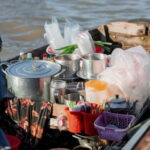
What makes Cai Rang genuinely interesting is not only what people sell, but how they present it. Sellers set up long bamboo poles in front of their boats and hang goods above so customers can skim the items from the boat. It’s fast, practical, and efficient. You’ll get a sense of how transactions happen at water level, without a storefront or a market aisle.
You also see how families live on boats. Many boats have a small space at the back used for sleeping, cooking meals, washing clothes, and drying them. Even if you only get a few minutes looking, the layout gives you a clear picture of how life adapts to the river.
You can also read our reviews of more shopping tours in Can Tho
A note on comfort
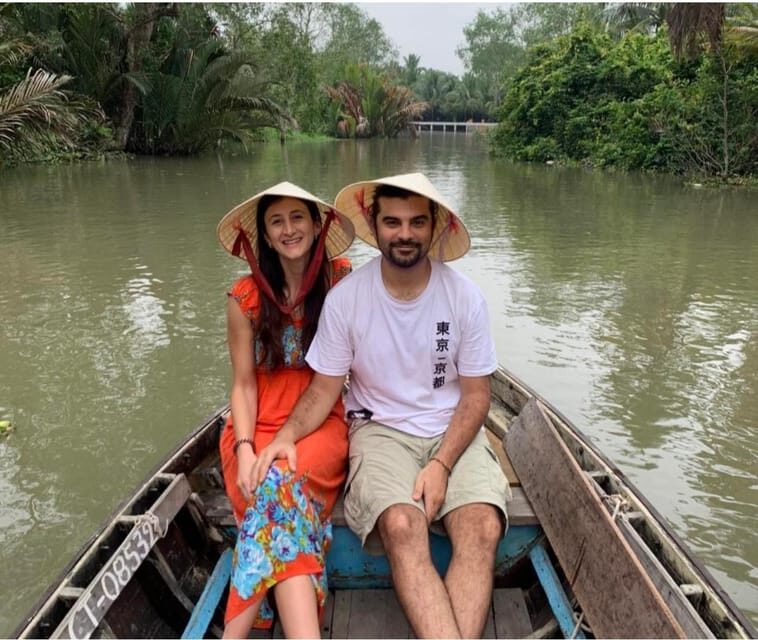
This is early morning and you’re out on the water, so bring what the tour recommends: sunglasses and a sun hat. You’ll feel the sun sooner than you think, especially once the boat moves through open river areas.
Rice noodle workshop: from factory steps to a taste you remember
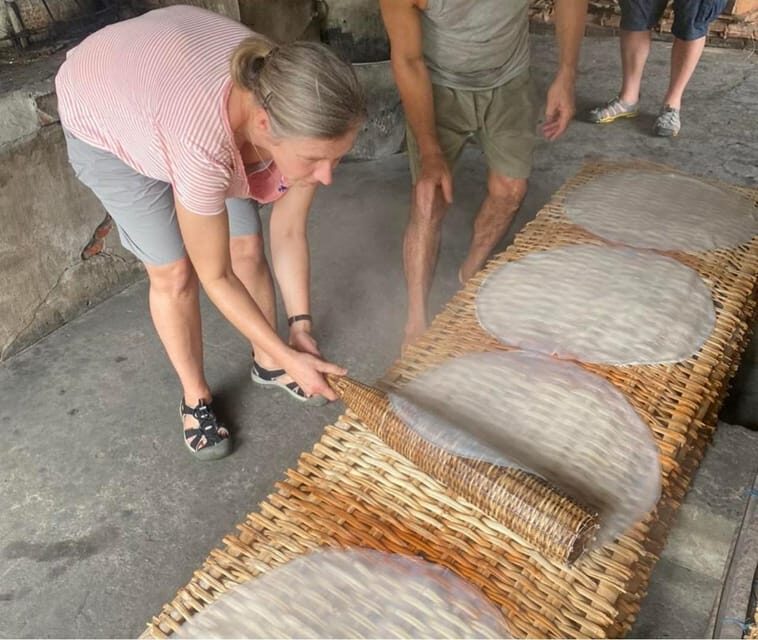
After the market, the trip shifts to food production. You’ll visit a Traditional Rice Noodle Factory where families still keep older techniques. This isn’t just watching someone work. The process is explained through the steps, and a lot of the work is hand-made.
Rice noodles are one of those things you’ve likely eaten many times, but most people never see how they’re made. Here, you get that missing piece. The experience includes tasting and also connects to what you’re doing earlier in the morning: you’re seeing the agricultural chain in motion, from harvested produce to what ends up in a bowl.
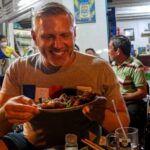
A highlight included in the tour is a shaking rice noodle soup served on the boat during the Cai Rang experience. It’s a fun sensory moment, and it also reminds you that this market isn’t only about buying fruit—it’s part of a whole food culture.
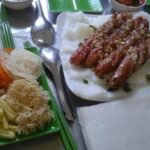
Right next to the noodle workshop, you can try a grilled banana pancake. It’s a small stop, but it fits the theme: simple street food, local ingredients, and quick tastes between demonstrations.
Why this stop is good value
For many Mekong tours, you get one food moment and it’s mostly tasting. Here, the noodle stop is structured like a mini lesson, so you come away with a clearer understanding of what you’re eating and where it comes from. That makes the day feel less like a photo checklist.
Canal sightseeing: small nature moments that feel quietly special
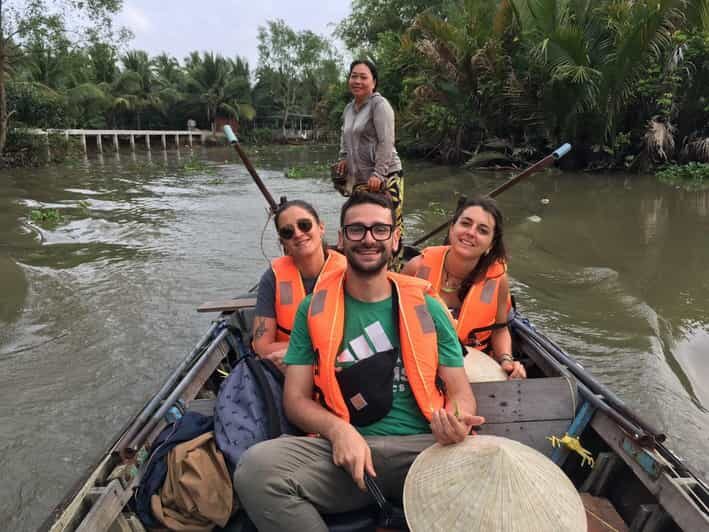
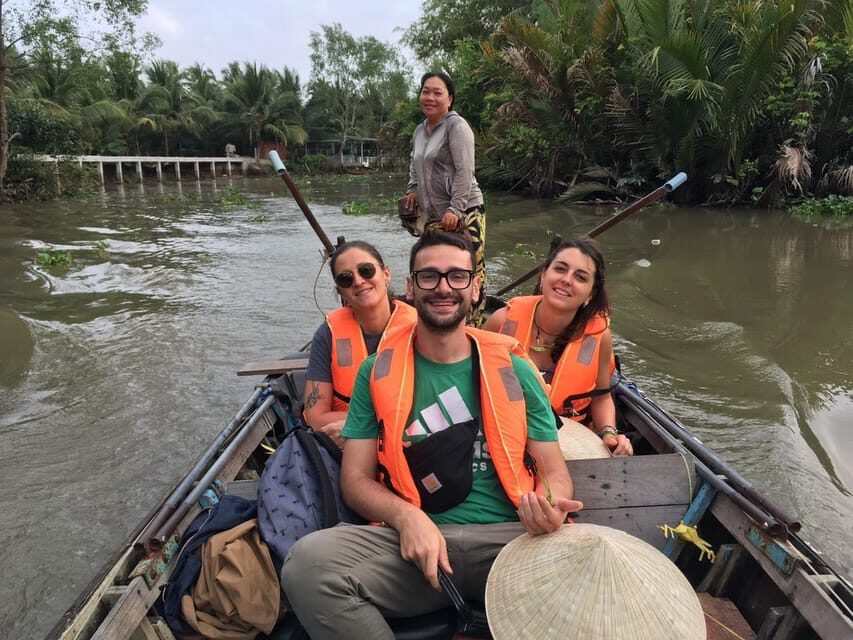
The second half of the morning moves into canals. The boat driver runs slowly through countryside waterways, so you’re not just transferring from one landmark to another. You’re watching the Mekong Delta at working speed—slow enough to notice details.
You’ll see water-coconut growing along both sides of the canal. If you’re lucky, you might spot ducks swimming while they search for fish or snails. Bird calls become a soundtrack. And because the boat moves gently, it’s easier to hear what your guide is pointing out: herbs, trees, and local uses of plants.
This is also when the experience becomes more hands-on. You stop for walking in a peaceful village area where your guide shows you how banana grows. You might also learn how to distinguish herbs and trees by smelling—an approach that makes the tour feel practical instead of just decorative.
Fruit and village nature breaks
Along the route, you can try fruit that’s growing on trees. One fruit mentioned is bilimbi star-fruit. You may also enjoy honey directly from a flower, plus rice field views with water-lily. The tour can include walking on a monkey-bridge and learning about pineapple growth too.
These stops are short, but they matter because they translate the river scenery into everyday life. You’re not just passing farms. You’re learning what grows where, and why locals pay attention to these plants.
Cocoa garden and the ancient chocolate tool: a small stop with big character
Between canal life and village walking, the tour includes a cocoa garden and a chocolate-making demonstration using an older tool. The point here isn’t a long chocolate lecture. It’s that you can see and understand a traditional process in a place where it actually happens.
This kind of detour is what keeps a half-day boat trip from feeling repetitive. Floating markets and canals are amazing, but they’re also visual. Chocolate-making gives you something physical to remember—hands-on explanation, local context, and a taste or at least a clear understanding of the steps.
If you like food experiences that feel tied to the region, this is a genuinely good match.
Price and logistics: who this works best for
The price is listed as $80 per group up to 2, and the tour runs about 4 hours. That pricing matters because you’re paying for more than transportation. You’re paying for:
- a boat ride at dawn (when guides and operations need to be up and running)
- an English-speaking live guide
- inclusion of coffee/tea, rice noodle-related tasting, and fruit sampling
- a structured mix of market + workshop + canal + garden/village stops
If you’re traveling with a partner or just want a private-group feel, per-group pricing is often better than paying per person on tours that require you to match a bigger group schedule.
Pickup is built around Can Tho hotels. The tour lists a large number of pickup options, and the guide contacts you in advance via WhatsApp/Zalo/Viber. There’s one important note: free pickup isn’t guaranteed in Ninh Kieu District, and other pickup areas may require an extra fee.
Also remember: this is a private group tour, so you’re not blending into a large crowd where the guide’s attention spreads thin. You may still see other boats and activity at the market because it’s a real market, not a staged set.
What you should bring
The tour recommends:
- Sunglasses
- Sun hat
In practice, I’d also wear breathable clothes and plan for bright sun on the water. When you’re up before dawn, your body is warm before you realize it, and then the sun hits fast.
Quick practical tips to make the day smoother
- Arrive ready for early morning: this is the whole point of Cai Rang
- Bring sunglasses and a hat; the boat + river light adds up quickly
- Keep your expectations focused on a mix of learning and eating, not only photos
- Ask questions: guides often explain why the market starts early and how sellers trade
- Wear shoes you don’t mind getting a bit dusty if you walk village paths
And if you’re lucky enough to get an English-speaking guide like Thu or Nhu, you’ll likely appreciate how they explain the floating market and what you’re seeing as the morning unfolds.
Should you book this Cai Rang sunrise boat trip?
If you want an authentic Mekong Delta morning that’s more than a quick photo stop, this is a strong choice. The combination of Cai Rang at dawn plus a rice noodle workshop, then a second-half shift into canals, fruit, and a cocoa garden gives you variety without breaking the 4-hour schedule.
I’d book it if:
- you’re okay with an early wake-up for real market activity
- you like food-and-nature tours that explain how local life works
- you want a private-group feel with an English-speaking guide
I’d hesitate only if you hate early mornings or you’re looking for a super relaxed, slow-paced day. This one is efficient by design. The payoff is seeing Cai Rang while it’s still working, not while it’s already geared for tourists.
FAQ
How long is the floating market boat trip?
The duration is 4 hours.
What time does the trip start?
The trip is designed for dawn. The plan is described as starting around 5:30 a.m, and some mornings run earlier (around 4 a.m) depending on scheduling.
Is pickup included?
Pickup is included, and the guide can pick you up from many locations. Free pickup is not guaranteed in Ninh Kieu District, and other places may require a pickup fee.
What’s included in the trip?
Included: rice noodle soup on the boat in Cai Rang, Vietnam coffee and green tea, trying exotic fruit, an English-speaking live guide, and an audio guide in English.
What should I bring?
Bring sunglasses and a sun hat.
What group setup is this tour?
It is a private group tour with a maximum group price listed for up to 2. The languages offered by the live guide are English, French, and Vietnamese.