REVIEW · HO CHI MINH CITY
Ho Chi Minh: 3-Day Mekong Delta & Optional Exit to PhnomPenh
Book on GetYourGuide →Operated by MILLENIUM TRAVEL CO.,LTD · Bookable on GetYourGuide
Three days, two countries, one river world. This trip is built around how the Mekong region actually works: boats, canals, orchards, and floating communities moving at human pace. I love the Tra Su mangrove rowing for the calm, close-up wildlife watching, and I love the Cai Rang Floating Market morning for its living theater of boats and buying-and-selling. One thing to consider: the schedule is busy, with early starts and long travel blocks between towns.
The other big win here is the people side. A professional English guide keeps the day flowing and helps you make sense of what you’re seeing, and in recent runs names like Tuco and Vi have been singled out for keeping things organized and fun. Still, you’re staying in 3-star hotels in Can Tho and Chau Doc, so room quality can be a bit variable—plan to prioritize location and the activities over luxury.
In This Review
- Key things that make this tour worth your time
- From Ben Thanh to Cai Be: Getting on the Mekong track
- Cai Be canals, orchard gardens, and Ba Kiet’s historic house
- Cai Rang Floating Market and a noodle factory morning in Can Tho
- Tra Su Mangrove Forest by rowing boat in Chau Doc
- Cham Village and floating communities before your Phnom Penh option
- Leaving for Phnom Penh: boat first, bus if needed
- Price and logistics: what $261 buys you in real life
- The guide factor: why small-group pacing feels better
- Practical tips: what to pack and how not to get cranky
- Should you book this Mekong Delta and Phnom Penh exit?
- FAQ
- Where do I meet the guide in Ho Chi Minh City?
- Is hotel pickup included?
- How many days is the tour?
- What’s included in the tour price?
- Does the tour include a Phnom Penh transfer?
- Do I need visas?
- What should I bring?
- What clothing do I need for temple visits?
- Who is this tour not suitable for?
Key things that make this tour worth your time
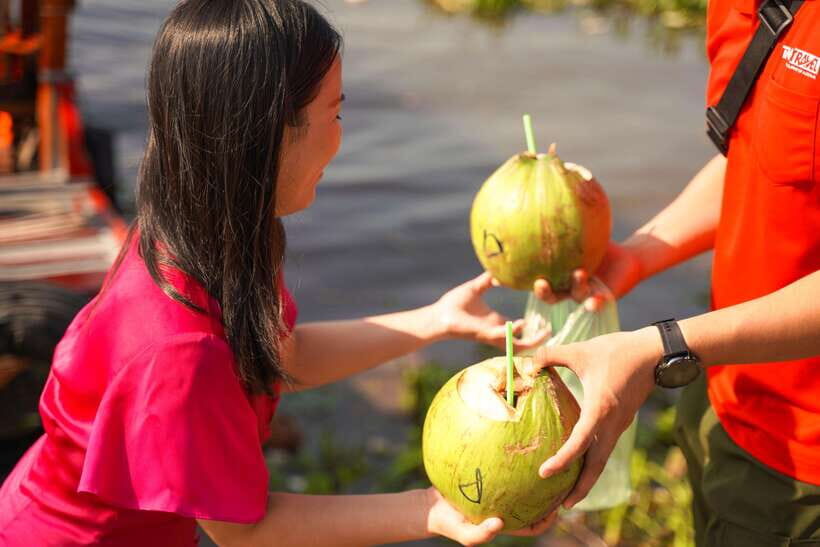
- Cai Be orchards and villages with river cruising plus canal paddling and local treats like coconut fudge
- Cai Rang Floating Market in the morning light, paired with a family noodle workshop
- Munir Ansay Pagoda for Khmer culture context in Can Tho
- Tra Su Mangrove Forest by rowing boat with wildlife-focused scenery
- Chau Doc floating villages and Cham heritage before you head back or continue into Cambodia
- Optional Phnom Penh exit using a fast boat ticket (sometimes bus if conditions require)
From Ben Thanh to Cai Be: Getting on the Mekong track
Your day starts in Ho Chi Minh City, with pickup options limited to hotels in central District 1 areas (Ben Thanh Ward, Saigon Ward, and Cau Ong Lanh Ward). If you’re not in that zone, you’ll head to the meeting point at 112 Tran Hung Dao Street, Ben Thanh Ward, District 1, between 07:30 and 07:45 AM—then you’re off.
This matters more than you might think. The Mekong Delta is huge, and getting moving early helps you see the markets before the crowds and the heat really builds. Bring your passport, wear comfortable shoes (you’ll be stepping on and off boats and vehicles), and pack sunglasses plus a sun hat—shade is never guaranteed on the water.
Also, plan your clothing for temple stops. You’ll need to cover shoulders and knees when you visit pagodas, so don’t rely on a last-minute scarf hunt.
You can also read our reviews of more tours and experiences in Ho Chi Minh City
Cai Be canals, orchard gardens, and Ba Kiet’s historic house
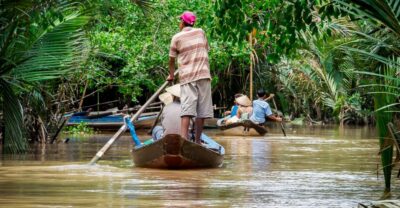
Cai Be is where the Mekong story feels most hands-on. After traveling from Ho Chi Minh City, you cruise the Tien River and then shift into the Delta’s land-and-water rhythm: orchard areas, villages, and older homes that show how families lived before modern roads took over.
What I like about the Cai Be day is that it’s not only about scenery—it’s about daily life. You get to sample local foods (including coconut-based treats), and there’s even Southern Vietnamese folk music during the flow of activities. Then you’ll paddle through canals for a slower view that’s hard to recreate on your own unless you know where to go and who to contact.
A standout here is the hands-on cooking experience in a local garden. Think less about a formal cooking class and more about learning by doing—how ingredients are used and how a meal comes together in a place where food is part of culture, not just a pit stop. Afterward, you’ll explore an island area by bicycle and meet villagers along the way.
You finish the day with a historic house visit (Ba Kiet’s historic house). Even if you’re not a museum person, these house visits help you connect the dots between today’s river life and what the region valued in past generations—space, family trade, and the need to adapt to water levels.
A practical note: this part of the itinerary can feel warm and active. If you’re easily tired in the heat, use that as your cue to bring water whenever you’re given a break and to take the walking slow, especially around boat landings.
Cai Rang Floating Market and a noodle factory morning in Can Tho
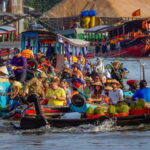
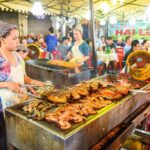
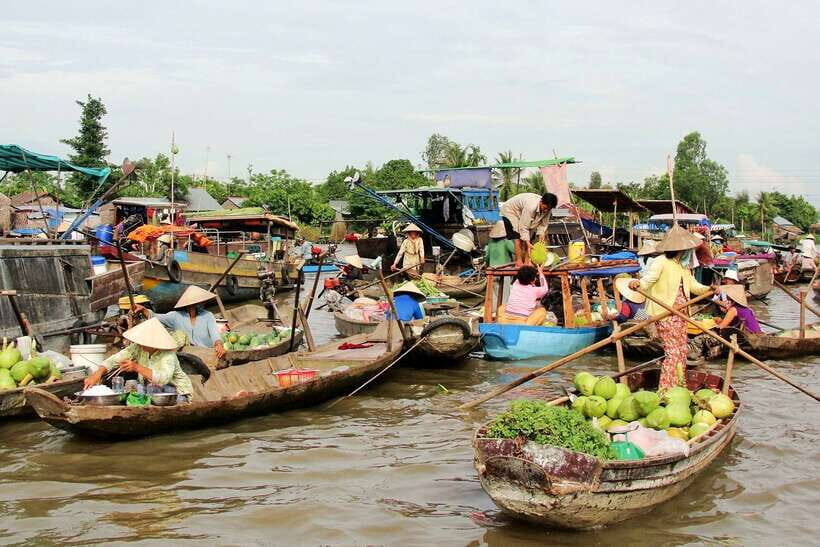
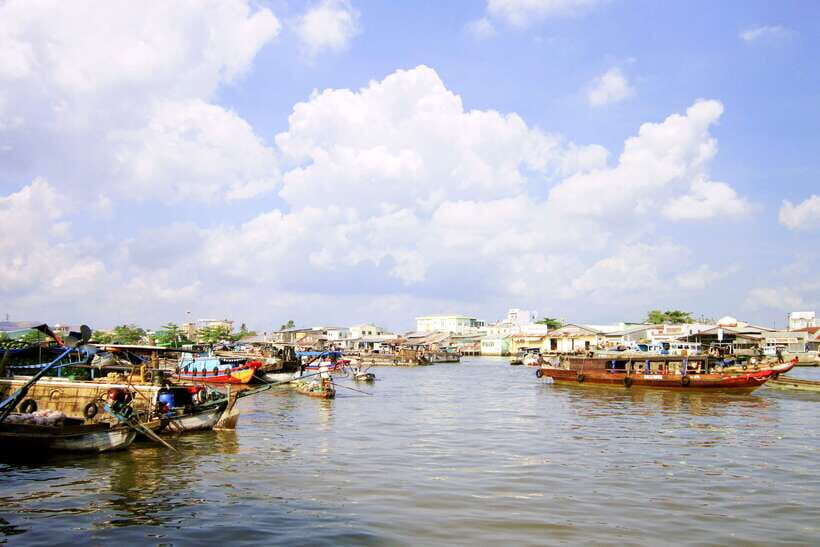
Day two starts strong: Cai Rang Floating Market. This is one of those mornings where the Delta looks like a moving marketplace—boats stacked with goods, people negotiating, and everyone working with the river, not against it. You get to see how buying and selling is done at water level, and why the floating market is still central even with roads all around.
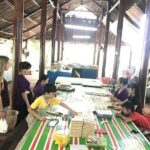
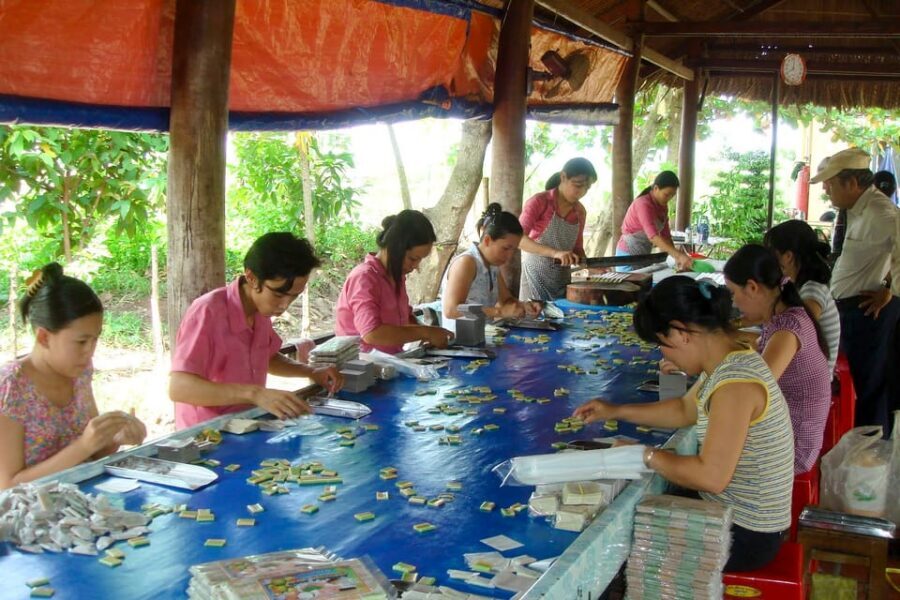
Then the tour adds context with a family-run noodle workshop. It’s a small activity, but it’s a smart one. You’re not just watching products—you’re learning the food workflow behind them, including why certain textures and flavors show up in regional cooking.
After lunch, the itinerary pivots to culture: Munir Ansay Pagoda in Can Tho. The goal isn’t to rush photos; it’s to understand why Khmer culture matters in this part of southern Vietnam. When you pair a pagoda visit with market food and workshop food, your brain starts grouping everything into a bigger picture: trade routes, mixed communities, and shared religious spaces.
The day doesn’t stop there. You’ll also visit a plantation area for fresh seasonal fruit. It’s a simple stop, but it’s useful. Fruit is one of the easiest ways to read the seasons in the Mekong—your taste buds become a calendar.
You’ll then travel onward to Chau Doc, where the river landscape changes mood and vegetation. The distance is part of the deal on Delta tours; it’s how you cover different ecosystems and cultures in just a few days.
Tra Su Mangrove Forest by rowing boat in Chau Doc
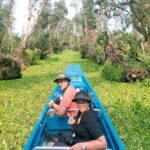
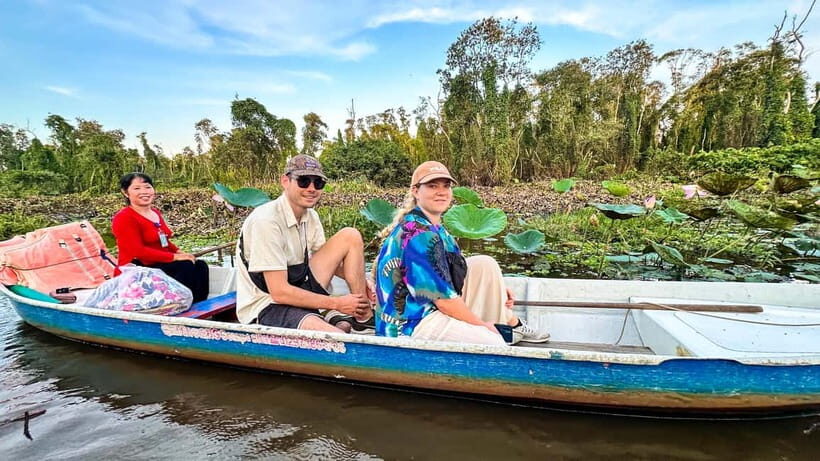
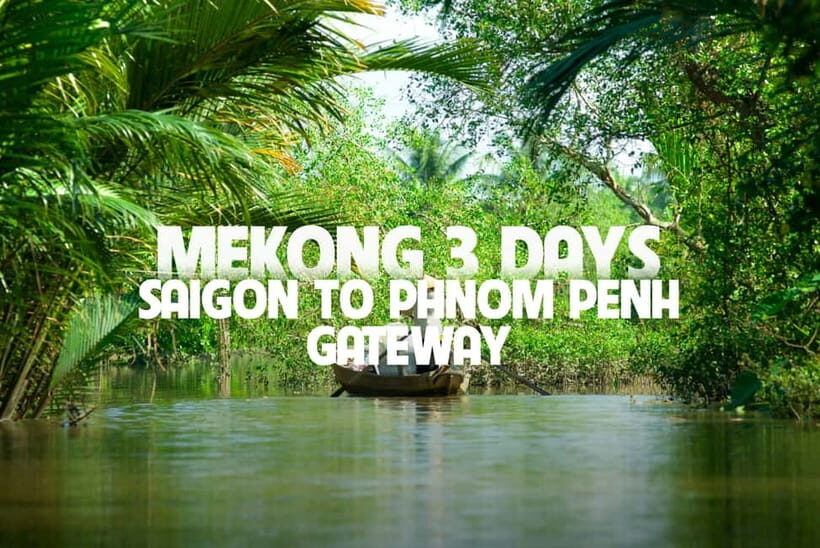
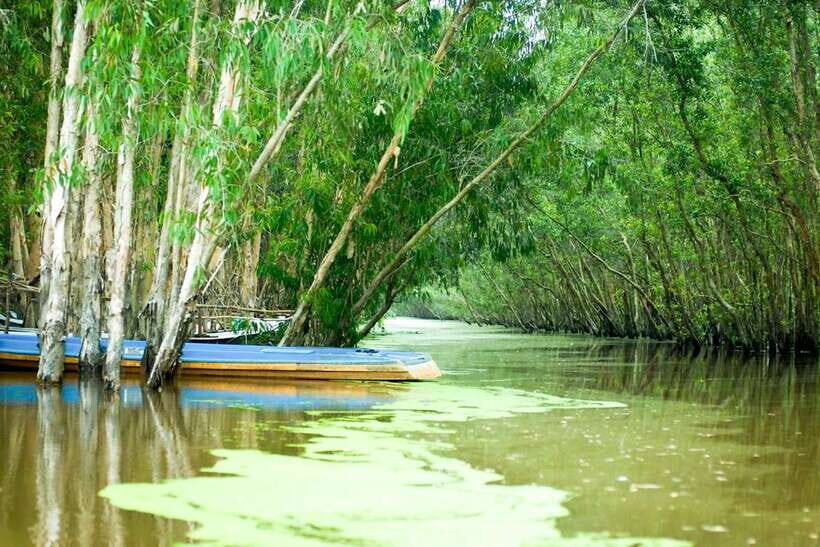
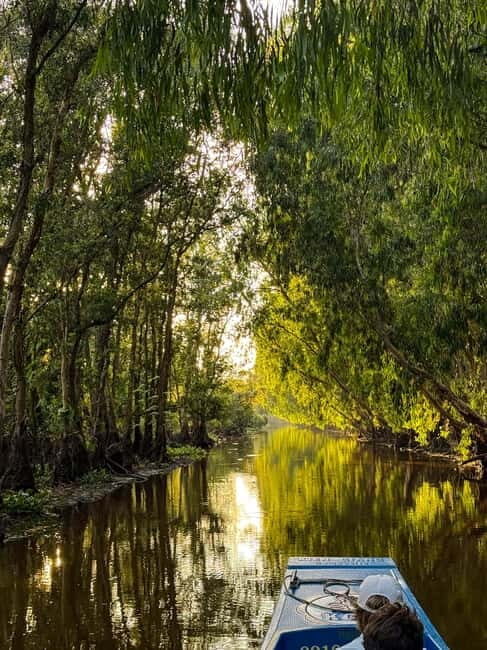
Chau Doc is where nature becomes the main character. The big moment is the Tra Su Mangrove Forest, explored by rowing boat. This is not a speed ride. You’ll move slowly through the waterways lined with mangrove vegetation, and you’ll have time to notice wildlife and small details—birds, reflections, and the way light changes under the canopy.
This is one of the activities that tends to get repeated as a highlight because it feels different from the market-and-food rhythm. If you love quiet, if you like birdwatching even a little, and if you enjoy being outside with zero stage lighting, this forest section is your reward.
Dinner on this day is included as a set menu with Vietnamese cuisine. That’s helpful because the tour doesn’t want you chasing meal choices while you’re tired from travel and early mornings. You’ll get a proper sit-down meal—exactly what you need before the final day’s cultural stops.
Two practical tips for Tra Su:
- Wear shoes that can handle wet spots. You’re on and off boats, and the ground around water can be messy.
- Bring a light layer if you run cold around open water—some people find the river air cooler than expected.
Cham Village and floating communities before your Phnom Penh option
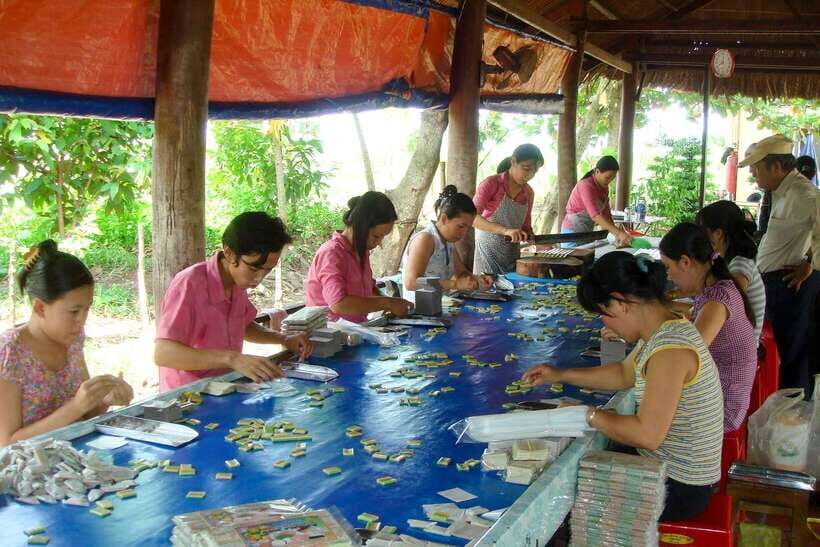
The last day focuses on communities shaped by water. You’ll visit floating villages and then head to a Cham Village, which gives you a clear look at Cham heritage in the Mekong region. The Cham story is a helpful counterweight to the Vietnamese-majority focus you’ll notice elsewhere on the route.
This day’s value is how it frames the Mekong Delta as home, not just a tourist route. Floating villages and cultural sites are where you see how people organize daily life when water is a neighbor—transport, routines, and livelihoods follow the river’s rules.
After breakfast, you’ll choose your ending. You can return to Ho Chi Minh City comfortably, or you can opt for the trip’s optional exit into Cambodia.

Leaving for Phnom Penh: boat first, bus if needed
If you take the Cambodia option, you’ll use a fast boat or bus ticket to Phnom Penh, depending on real-time conditions. You’ll handle the border process as part of the transition, rather than trying to figure it out on your own.
In recent experiences, the boat transfer has been described as smooth and about five hours, with a clean toilet on board and the option to buy drinks during the ride. Still, don’t treat that as guaranteed every day—this is why the operator can switch to a bus if conditions change.
Arriving by the river adds a strong sense of continuation. You go from canals and mangroves to Cambodia’s capital atmosphere with less backtracking than if you tried to piece it together independently.
Price and logistics: what $261 buys you in real life
At about $261 per person for three days, the value comes from how much is handled for you. You’re not only getting transport—you’re getting:
- air-conditioned bus/van between key Delta zones
- boat trips in the Mekong Delta
- a professional English guide
- entry fees
- 2 hotel breakfasts, 2 lunches, and 1 dinner
- 3-star shared accommodation in Can Tho and Chau Doc
- a fast-boat (or bus) ticket option to Phnom Penh
If you tried to DIY this route, you’d quickly pay for separate boat tickets, guided access to the right places, and the transport time between regions. The meals included also matter, especially in Chau Doc and between activities—choosing food on the fly when you’re moving all day can turn into either overpriced convenience or long waits.
One more cost consideration: there’s a single supplement if you need your own room. If you’re traveling with a partner or friend and can share, this price starts to feel much more forgiving.
The guide factor: why small-group pacing feels better
Most of the enjoyment here comes from the flow—getting you from one moment to the next without you feeling lost. English-speaking guides have been consistently praised, with people naming guides such as Tuco, Vi, Yudi, Naomi, Elio, Anna, Nikki, Sunny, and Duy as standouts for keeping things organized and making cultural connections clear.
A good guide also helps when you have food needs. In one case, a guide specifically worked with vegetarian requirements and kept meals satisfying throughout the trip. If you have dietary restrictions, don’t wait until you arrive—tell the operator in advance so meals can be handled before you sit down.
Group size also affects comfort. Recent groups have been reported as small (around 15, and sometimes fewer like 5 or 8). Small groups generally mean less waiting at each stop and more flexibility if the schedule needs adjusting.
Practical tips: what to pack and how not to get cranky
This tour includes a lot of “move, stop, look, eat, repeat.” You’ll enjoy it more if you show up ready for that rhythm.
Bring:
- Passport (you’ll need it for Vietnam-to-Cambodia travel)
- Comfortable shoes
- Sunglasses and a sun hat
- Clothes that follow pagoda rules (shoulders and knees covered)
Not allowed:
- pets
- oversize luggage
- smoking
Health and comfort considerations:
- This tour is not suitable for pregnant women, people with mobility impairments, people with heart problems, wheelchair users, or people over 70. That’s not just paperwork—it’s about safety around boats, walking, and pacing.
My advice: if you’re sensitive to heat or busy schedules, plan to treat this as a structured adventure day-by-day. It’s not the place to schedule a late evening arrival in Ho Chi Minh City unless your flight timing is clearly buffered.
Should you book this Mekong Delta and Phnom Penh exit?
Book it if you want a tight, guided way to see the Delta’s big contrasts: markets, Khmer culture, food workshops, mangrove nature, and river communities—then keep your momentum by continuing into Phnom Penh. The combination of boats + markets + culture is the whole point, and the included meals and transportation reduce the usual hassle of building this route yourself.
Skip or reconsider if you hate early starts, you want lots of downtime each day, or you prefer fully flexible travel with no fixed pacing. Also, if you’re not able to handle boat transfers and active walking, this isn’t the right fit.
If your trip is limited and you want the Mekong Delta to feel organized instead of stressful, this is a strong choice.
FAQ
Where do I meet the guide in Ho Chi Minh City?
Meet your guide between 07:30 and 07:45 AM at 112 Tran Hung Dao Street, Ben Thanh Ward, District 1. Look for the TNK Travel sign.
Is hotel pickup included?
Pickup is optional and only available for hotels located in central District 1 areas, including Saigon Ward, Ben Thanh Ward, and Cau Ong Lanh Ward. If your hotel is outside those zones, you’ll need to go to the meeting point.
How many days is the tour?
The duration is 3 days.
What’s included in the tour price?
You get transportation by air-conditioned bus/van, Mekong Delta boat trips, an English-speaking professional guide, all entry fees, 2 hotel breakfasts, 2 lunches, and 1 set dinner. Twin or double shared 3-star hotels are included, plus a fast boat or bus ticket to Phnom Penh (subject to availability) if you opt for the exit.
Does the tour include a Phnom Penh transfer?
Yes, there is an optional exit to Phnom Penh. The ticket is included as a fast boat or bus transfer, depending on real-time conditions.
Do I need visas?
Vietnam and Cambodia entry visas are not included. You’ll need to arrange them yourself.
What should I bring?
Bring your passport, comfortable shoes, sunglasses, and a sun hat.
What clothing do I need for temple visits?
For pagoda visits, shoulders and knees must be covered.
Who is this tour not suitable for?
It’s not suitable for pregnant women, people with mobility impairments, people with heart problems, wheelchair users, and people over 70.