REVIEW · HO CHI MINH CITY
Hands-on making 3 Iconic Coffees of South Central North Vietnam
Book on Viator →Operated by Quynh - Vietnam Coffee Journey · Bookable on Viator
Vietnamese coffee is a story you can taste.
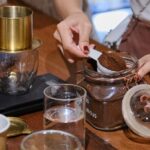
This hands-on class in Ho Chi Minh City lets you make iconic coffees tied to South, Central, and North Vietnam, with Quynh turning ingredients into history and everyday culture. You’ll learn the logic behind each drink’s flavor and style, not just follow a recipe, inside a small group setup that stays interactive.
I love how the session uses comparison, including practicing PHIN coffee the right way and also trying a wrong sample so you can feel the difference. I also love the storytelling focus: Quynh connects each coffee to how people lived and what they preferred in each region, then shows you how to adjust your cup to your taste.
One thing to consider: this is a hands-on workshop, not a big sit-and-watch show, so you’ll get the most value if you’re happy to measure, pour, and try again (even if it gets a little messy).
In This Review
- Key highlights worth your time
- Coffee that maps Vietnam, one cup at a time
- Where the workshop fits in Ho Chi Minh City
- The core structure: learn method first, then make the icons
- Stop 1: PHIN practice and the right-versus-wrong test
- Stop 2: Saigon-style condensed milk coffee (South Vietnam)
- Stop 3: Central Vietnam’s modern salted cream coffee
- Stop 4: Hanoi egg coffee (North Vietnam)
- What I think you’ll remember most
- Who this workshop is best for
- Price and value: $21.69 for hands-on drinks and skills
- Practical tips before you go
- An optional add-on if you want more coffee touring
- Should you book this coffee-making experience?
- FAQ
- How long is the workshop?
- How much does it cost?
- What coffee drinks will I make?
- Is there a limit on group size?
- Where does it start and where does it end?
- Do I need to bring any equipment?
- Are snacks included?
- Is a mobile ticket used?
- Can I cancel for a refund?
- Is it near public transportation?
Key highlights worth your time
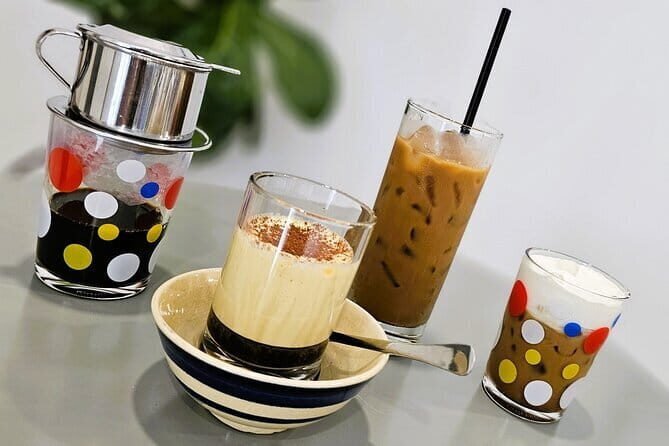
- PHIN technique practice with a built-in comparison so you understand what changes flavor
- South Vietnam condensed-milk coffee explained as a Saigon/South style story, not a random recipe
- Central Vietnam salted cream coffee with ingredient tricks and method tips
- Hanoi egg coffee with the capital’s character baked into how it’s made
- Small group size (max 6) that keeps the pace personal and questions welcome
Coffee that maps Vietnam, one cup at a time
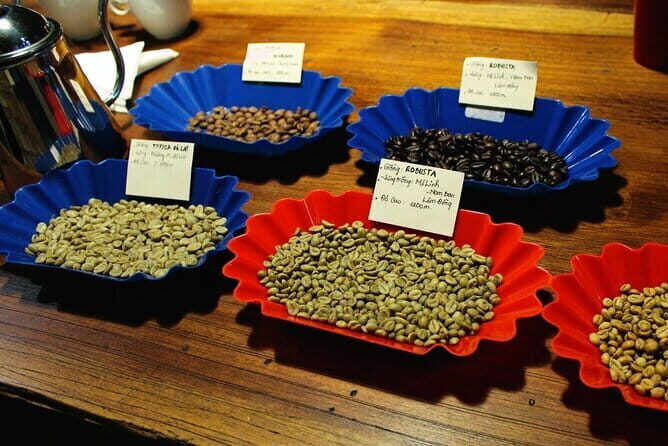
This experience is built around a simple idea: Vietnam is long—about 1,650 km—and coffee culture changes along that stretch. Quynh’s approach makes the regional differences feel logical. Instead of treating coffee as one thing, you learn it as three identities you can taste and remake.
You start with the brief history of Vietnamese coffee culture, then you move into technique. That combination matters because most coffee mistakes aren’t about bad taste buds. They’re about method: grind, temperature, water contact, and patience. This class keeps the practical side front and center, while the stories help the flavors stick in your brain.
And it’s small. With a maximum of 6 travelers, you’re not shouting questions across a room. You can ask what you’re doing wrong and get a quick fix while you still have ingredients in front of you.
You can also read our reviews of more tours and experiences in Ho Chi Minh City
Where the workshop fits in Ho Chi Minh City

The meeting point is at 27 Ngô Đức Kế, Bến Nghé, Quận 1. It’s in the city center, and the activity ends back at the meeting point, which makes planning easier. It’s also listed as near public transportation, so you’re not stuck hunting for a specific car or private driver.
The duration is about 1 hour 30 minutes, and the schedule is tight enough that it works well as an afternoon or early evening plan. If you’ve got a jam-packed day already, this is the kind of activity that still feels “worth it” because you leave with skills, not just photos.
You’ll also use a mobile ticket, and you’ll get confirmation at booking time. If you’re traveling with service animals, that’s listed as allowed.
The core structure: learn method first, then make the icons
The workshop is designed like this: history and context up front, then hands-on builds step by step. You don’t just get a list of ingredients. You practice how to use them, and you learn what to tweak when the result isn’t exactly right.
There are four prepared coffee drinks included, with all ingredients and equipment ready. The theme is three iconic regional coffees, plus an extra practice element—like the PHIN comparison—so you can see how technique changes the final cup. If you’re the type who hates “mystery coffee,” this structure is a big plus.
You’ll also get snacks—cashew nuts are included. One review also mentioned banh mi being prepared before tasting, so expect the session to feel like a small food-and-coffee moment, not just a beverage demo.
Stop 1: PHIN practice and the right-versus-wrong test
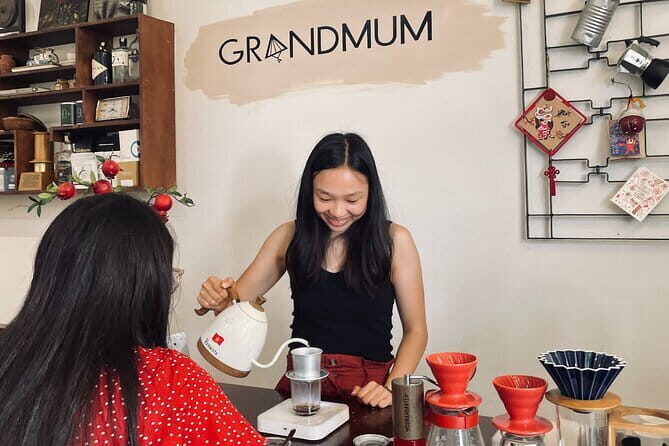
Before you jump into the famous regional recipes, you’ll practice pure PHIN coffee using the correct method. Quynh will show you what the PHIN filter process is supposed to do and how to time it. Then, crucially, he’ll make a wrong sample at the same time so you can compare the difference in taste.
That comparison is more than entertainment. It teaches you cause and effect. If your PHIN cup tastes too harsh, too weak, or oddly flat, you usually can trace it back to one step you rushed or missed. After this class, you’ll know what to focus on next time—rather than guessing.
This is also where you learn the mindset of Vietnamese coffee. It’s not about making one “perfect” drink. It’s about adjusting the process so it matches your preference.
Stop 2: Saigon-style condensed milk coffee (South Vietnam)
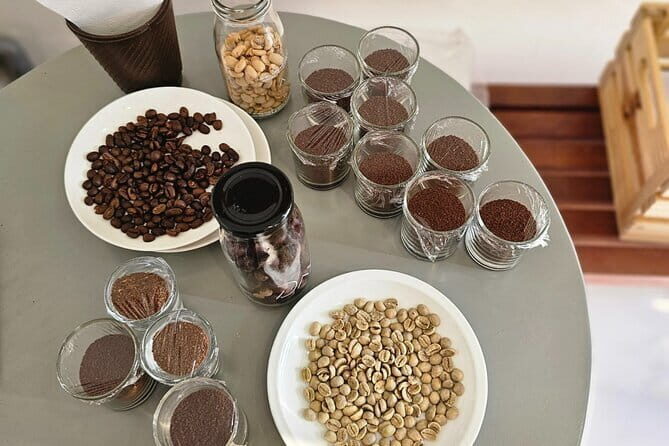
Next, you’ll make the Vietnamese coffee with condensed milk, along with stories and ingredient explanations. Quynh frames this as reflecting Saigon and South Vietnam people—so the flavor choices feel tied to lifestyle, not just tradition.
What you learn here is how condensed milk changes more than sweetness. It changes body and balance. In Vietnamese iced coffee culture, that balance is the point: strong coffee meets rich sweetness, and the final cup stays satisfying even over ice.
This is a great segment if you like coffee that tastes like a dessert without becoming cloying. You’ll also learn how to adjust for your own mood—stronger coffee feel, more creaminess, or a gentler profile.


Stop 3: Central Vietnam’s modern salted cream coffee
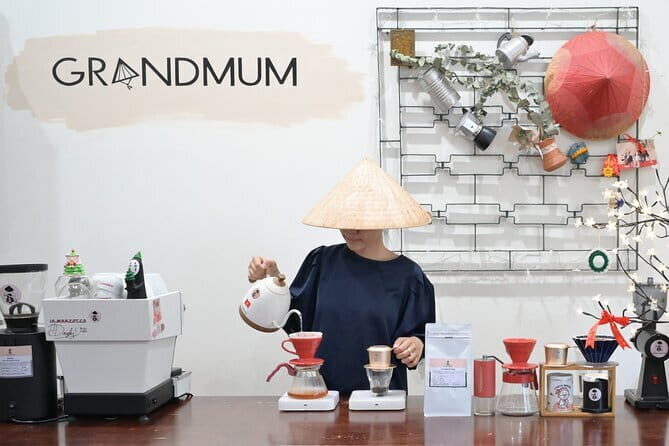
After South Vietnam, you’ll shift to Central Vietnam with salted cream coffee. Quynh explains the tricks and ingredients behind this modern, trendy style.
Salted cream coffee is popular because it creates contrast: creamy richness plus a salt note that sharpens the sweetness and makes the coffee flavor feel more present. The “trick” is usually in how you mix and how you build the layers so everything tastes intentional, not just sweet.
This part is where the workshop proves it isn’t stuck in the past. You get the cultural explanation, but you also learn how today’s Vietnamese coffee drinkers think—what they want from texture and flavor, and how they like their coffee to play with contrast.
Stop 4: Hanoi egg coffee (North Vietnam)
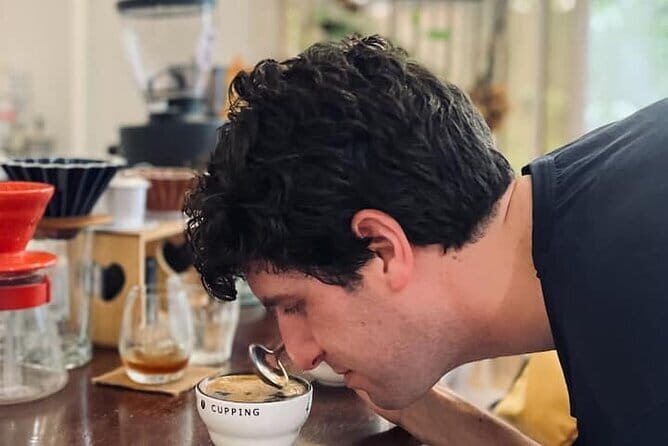
Finally, you’ll make egg coffee, tied to Hanoi. Quynh connects the drink’s character to the capital—so you’re not just making something unusual, you’re understanding why it became a signature.
Egg coffee has a very specific appeal: a custardy top with a foam-like richness that feels different from typical milk-coffee drinks. It can taste like dessert, but it still needs coffee structure underneath to stay grounded.
The value here is technique. Even if you’re not an egg-coffee person now, you’ll learn what makes it work. Then, if you enjoy experimenting later, you’ll know what to aim for in terms of texture.
What I think you’ll remember most
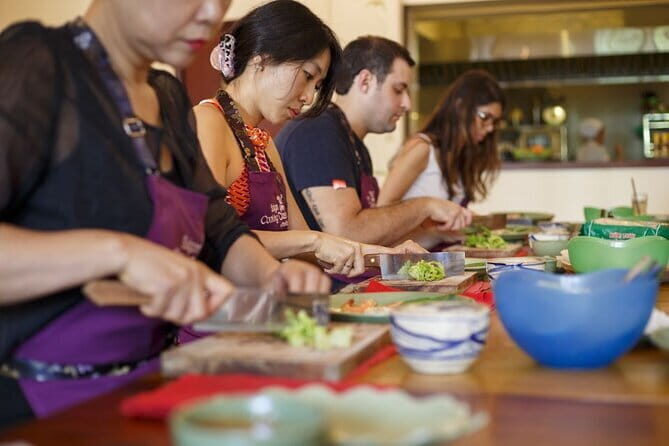
The strongest praise for this experience centers on the combination of method + storytelling. Quynh’s passion shows up in the pacing: you hear the history, then you do the thing that proves the history matters. You also get clear guidance on what to do and what not to do, including the wrong-sample PHIN step.
The other standout theme is clarity. People don’t leave feeling confused or “just watched coffee being made.” The setup is described as laid out and easy to follow, and the hands-on format keeps you engaged instead of passive.
Who this workshop is best for
I’d put this in your “book it” category if you:
- love tasting your way through culture, not just looking at it
- want practical coffee skills you can repeat later
- like small group experiences with room for questions
It’s also a smart choice if you’re short on time. At about 1.5 hours, you get a lot of value without committing to a half-day tour.
If you’re only into espresso-style coffee and dislike condensed milk or egg-based drinks, you might find the range challenging. But you can use the workshop to learn technique even if you don’t love every final flavor.
Price and value: $21.69 for hands-on drinks and skills
At $21.69 per person for about 1 hour 30 minutes, this is priced like a specialty workshop, not a casual coffee stop. You’re paying for:
- instruction and guidance
- ingredients and equipment
- multiple drinks tied to regional themes
- a small group experience (max 6)
Because everything is included—plus you get the technique coaching—you’re not left thinking you should have just bought coffee somewhere. This feels like you’re buying knowledge you can use again.
Practical tips before you go
Wear something you don’t mind getting a little sticky. Vietnamese iced coffee routines can involve milk-like ingredients and a bit of careful handling with the PHIN.
Also, show up ready to ask “what should I do differently next time?” If you’re the kind of person who likes feedback, you’ll likely get a lot out of the right-versus-wrong comparison.
Finally, if you’re planning a coffee crawl anyway, treat this as your anchor experience. Once you learn how the PHIN process drives flavor, other coffee shops in town will make more sense.
An optional add-on if you want more coffee touring
Quynh also offers a longer 4-hour city tour across Ho Chi Minh City via electric tuktuk focused on coffee drinks. If you want the next step after this workshop, that’s worth asking about. For many people, the workshop becomes the foundation that makes the tuktuk tour tastier and easier to understand.
Should you book this coffee-making experience?
Book it if you want something interactive that teaches you real method, not just a quick taste. The hands-on PHIN practice, plus the regional progression from South to Central to North, gives you a clear sense of how Vietnamese coffee culture shifts with place. The small group size and Quynh’s storytelling style also help it feel personal and worth your time.
Skip it only if you’re strictly avoiding condensed milk or egg coffee styles, or if you prefer a relaxed, no-participation activity. This class is hands-on by design.
If you fall in the middle—curious about Vietnamese coffee and happy to learn—this is a strong, practical choice.
FAQ
How long is the workshop?
It lasts about 1 hour 30 minutes (approx.).
How much does it cost?
The price is $21.69 per person.
What coffee drinks will I make?
You’ll practice PHIN coffee and make famous Vietnamese coffees tied to South, Central, and North Vietnam. The included drinks total four coffee drinks, with ingredients and equipment provided.
Is there a limit on group size?
Yes. The maximum group size is 6 travelers.
Where does it start and where does it end?
It starts at 27 Ngô Đức Kế, Bến Nghé, Quận 1, Thành phố Hồ Chí Minh 70000, Vietnam, and ends back at the meeting point.
Do I need to bring any equipment?
No. All ingredients and equipment are ready for you, and you just come and make the drinks with the host’s explanations.
Are snacks included?
Yes. Cashew nuts are included.
Is a mobile ticket used?
Yes, the experience uses a mobile ticket.
Can I cancel for a refund?
Yes, cancellation is free. You can cancel up to 24 hours in advance for a full refund.
Is it near public transportation?
Yes. It’s listed as near public transportation. Service animals are allowed too.