REVIEW · HO CHI MINH CITY
HCMC: Private or Group Sai Gon City Tour with Pickup
Book on GetYourGuide →Operated by Enni tour · Bookable on GetYourGuide
Saigon feels different from the river. That’s one reason I like this HCMC tour: it blends landmark sightseeing with a calm Saigon River waterbus ride, so the day doesn’t just march forward. I also really value the War Remnants Museum stop with a guide who can put Vietnam’s wartime story into human context. One thing to consider: the museum content can feel heavy, and the full day can run up to 8 hours.
You’ll get an English-speaking guide (or other supported languages), hotel pickup and drop-off in District 1, and a comfortable A/C vehicle with water and cold towels. It’s a nice way to see a lot without spending your mental energy on tickets, timing, and logistics—especially if it’s your first time in Ho Chi Minh City.
Key things I’d plan around
- French-era icons with clear historical details, including who designed the Central Post Office (Alfred Foulhoux, not Eiffel)
- A guided War Remnants Museum visit, with nine permanent thematic exhibits and room for special collections
- Reunification Palace as a story anchor, not just a photo stop
- Chinatown + Thien Hau Pagoda focused on the sea goddess Mazu (great for understanding local beliefs)
- Bach Dang Harbor waterbus time to see the skyline from the river, not the sidewalk
- Practical comfort: District 1 pickup, bottled water, cold towels, and entrance tickets for two major sites
In This Review
- District 1 Pickup, A/C Ride, and a Guide Who Keeps It Moving
- Saigon Central Post Office and Notre-Dame Basilica: French-Era Icons Without the Guesswork
- Saigon Central Post Office
- Saigon Notre-Dame Basilica
- War Remnants Museum: Nine Exhibits That Explain the War’s Human Impact
- Reunification Palace: Independence Palace Stories in One Historic Room
- Ben Thanh Market and Thien Hau Pagoda: Chinatown Spirituality and Sea-Goddess Focus
- Ben Thanh Market
- Thien Hau Pagoda (and Mazu)
- Bach Dang Harbor Waterbus: A Saigon Skyline Break You’ll Appreciate
- Price and Inclusions: What You Actually Get for $25
- Who Should Book This HCMC City Tour (and Who Might Skip It)
- Should You Book This Private or Group Sai Gon City Tour With Pickup?
- FAQ
- What’s included in hotel pickup and drop-off?
- How long is the tour?
- Which entrance tickets are included?
- Are drinks and meals included?
- Is the tour suitable for different languages?
- What’s provided for comfort during the tour?
District 1 Pickup, A/C Ride, and a Guide Who Keeps It Moving
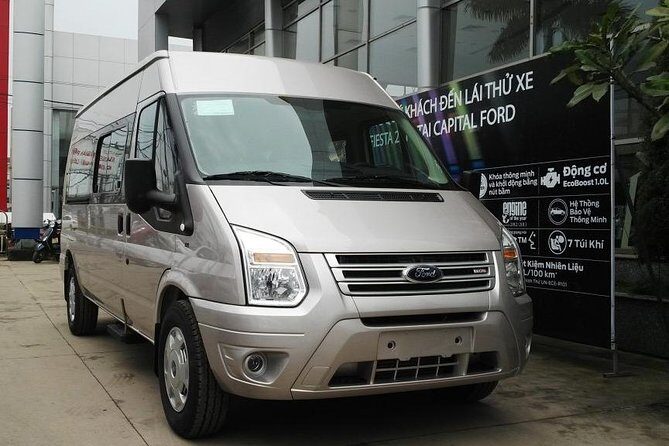
This tour is built around convenience. You’re picked up and dropped off in District 1, then you ride in an air-conditioned car/van/bus with a driver. The guide portion matters a lot here, because you’re visiting places where details can be missed if you’re just reading a sign.
You’ll have an English-speaking guide in the standard flow, and the tour also offers guides in Chinese, French, German, Italian, Japanese, and Spanish. If you choose a private tour and want a non-English guide, there’s a surcharge—so if language matters, double-check which language you’re selecting before you lock it in.
Small comfort stuff is included too: bottled water (one bottle per person) and cold towels. That’s not flashy, but in Ho Chi Minh City heat, it helps you stay upright for the whole route.
If you’re doing this as a first big day, I like that you can start with big landmarks, then end with a calmer river ride. It’s a better rhythm than stacking museum after museum with no break.
Saigon Central Post Office and Notre-Dame Basilica: French-Era Icons Without the Guesswork
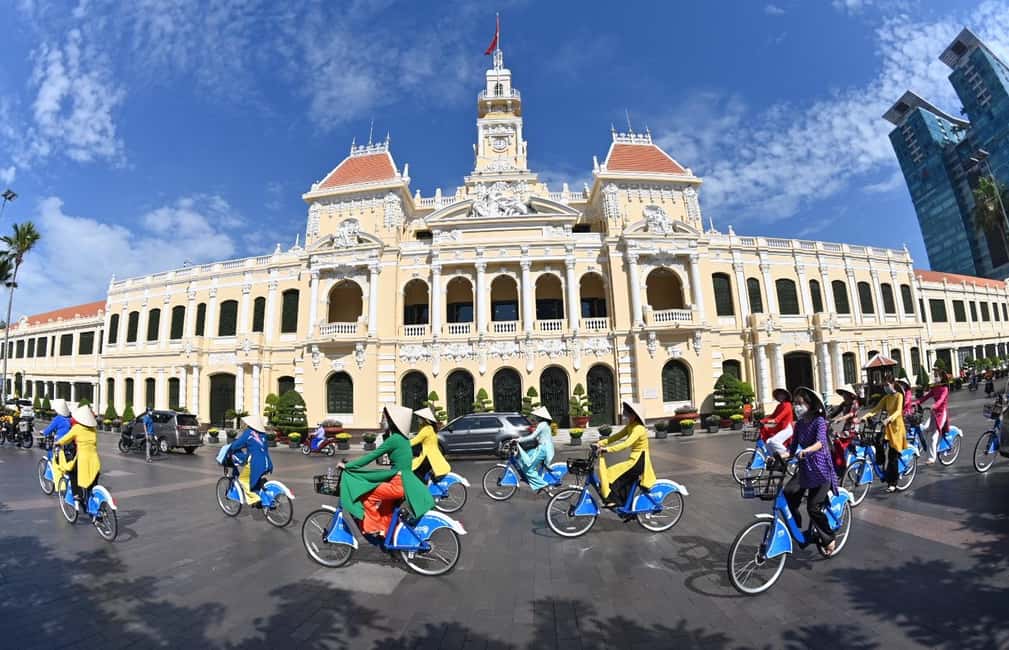
The morning starts with two of the city’s best-known “wow” buildings, both tied to France’s colonial-era influence. Even if architecture isn’t usually your thing, you’ll get more out of these stops with the guide’s explanations.
You can also read our reviews of more tours and experiences in Ho Chi Minh City.



Saigon Central Post Office
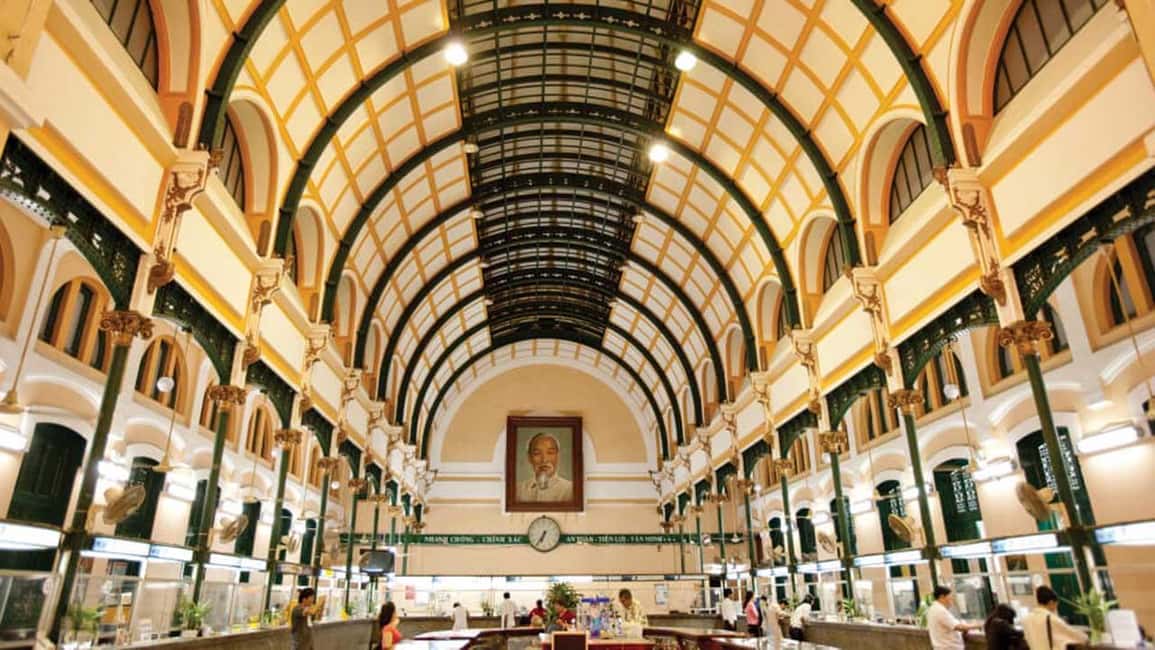
You’ll see Saigon Central Post Office, finished in 1891. One detail I really appreciate: it’s often mistakenly connected to Gustave Eiffel, but the design credit here is to Alfred Foulhoux. That kind of correction sounds small, yet it changes how you look at the building—it stops being a generic old photo spot and becomes a specific piece of engineering and design from a real person’s work.
Practical tip: if you like photos, treat the post office like a photo stop plus a short “look closer” moment. Notice the exterior first for the overall shape, then slow down for finer details once you’re inside or up near the facade.
Saigon Notre-Dame Basilica
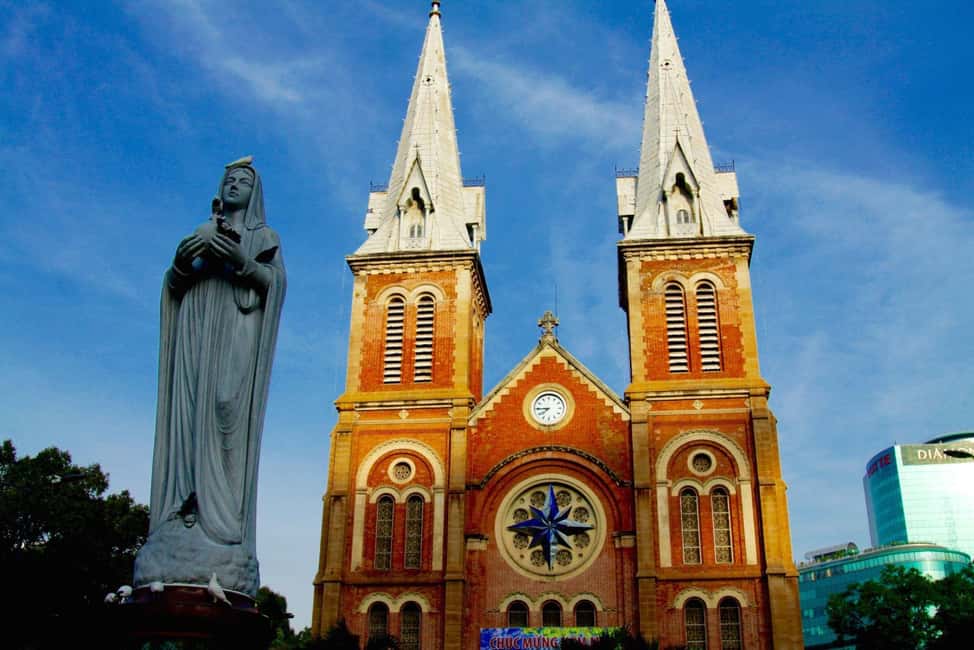
Next is Saigon Notre-Dame Basilica, designed in the 1870s by architect J. Bourad. It’s a neo-Romanesque church built with imported French materials. You’ll probably hear people call it Saigon Church or Virgin Mary Church, and it’s still a popular backdrop for pre-wedding photos.
What I’d do: keep your camera ready, but don’t rush. Neo-Romanesque means you’ll want to look at the blend of Romanesque-style forms with the feel of a European church. A good guide will point out what to notice, not just where to stand.
Possible downside: these stops are popular for a reason, so you might be sharing space with other visitors. If you’re the type who gets irritated by crowds, go in expecting some motion and keep your timing flexible.
War Remnants Museum: Nine Exhibits That Explain the War’s Human Impact
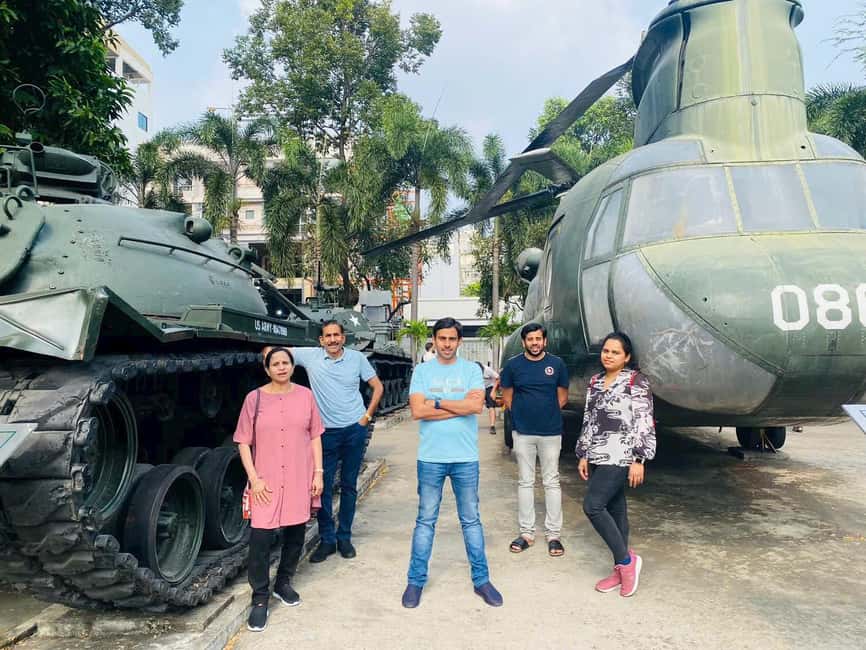
Then comes the hardest stop of the day: War Remnants Museum. If you’re not into war-related topics, you can still visit with the right mindset, but I’d be honest—this part isn’t “fun sightseeing.”
Here’s what you’ll actually be working with: the museum includes nine permanent thematic exhibits and also has special collections. It’s not just static displays; it hosts conferences, temporary exhibitions, and meetings with war witnesses throughout the year.
Why that matters for your experience: when a museum includes witness meetings and rotating exhibits, it signals that the story isn’t treated like a sealed chapter. Your guide can help you connect what you see to the bigger picture—without turning it into a lecture.
Practical approach:
- Give yourself enough time to move through carefully, not quickly.
- If you get overloaded, pause and reset rather than powering through.
- Ask your guide for context when something feels confusing; the point isn’t to memorize dates, it’s to understand what the exhibits are trying to communicate.
One more consideration: because this is wartime material, the emotional weight can hit different people at different times. Plan a calmer next stop afterward—which, luckily, the itinerary does with the palace and later the river ride.
Reunification Palace: Independence Palace Stories in One Historic Room
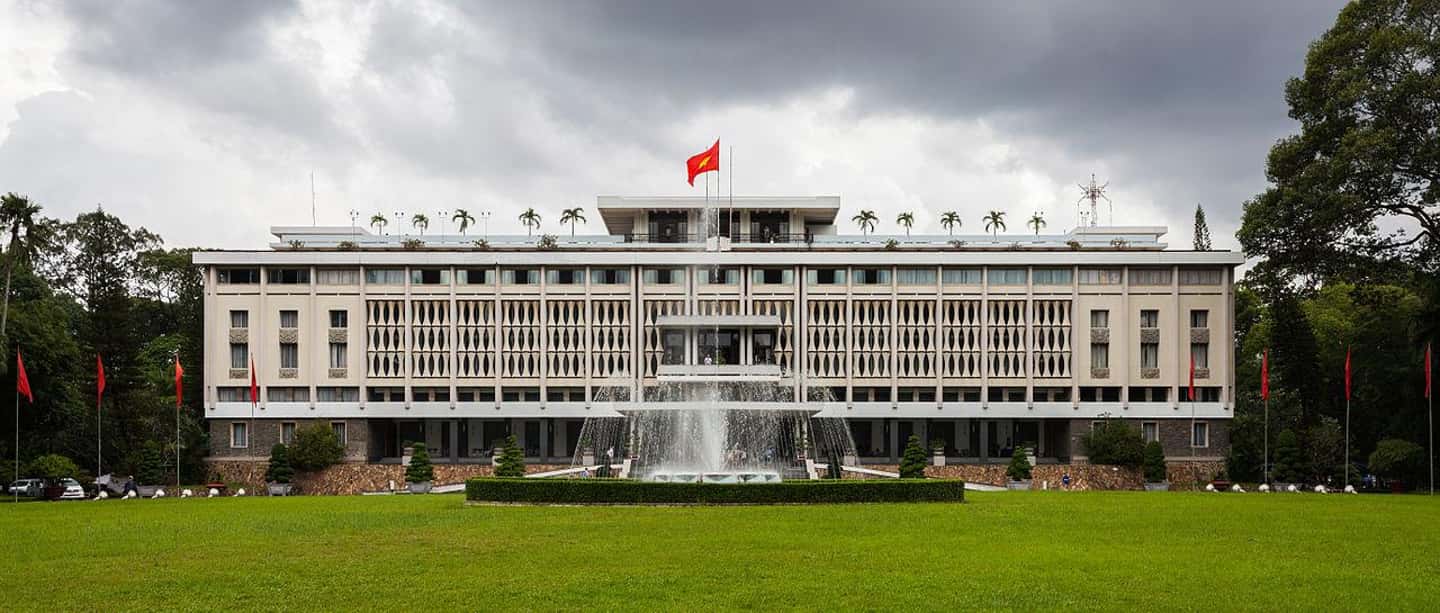
After the museum, you’ll visit Reunification Palace, also known as the Independence Palace or Reunification Convention Hall. This is one of those sites where photos alone don’t always tell the full story, because the value is in how you understand what happened here and why it mattered.
The building played a pivotal role in Vietnam’s reunification and functions as a symbol of national reunification. With a guide, you can connect the physical rooms and design to the events that took place inside, so you’re not just walking through corridors—you’re following a narrative.
Entrance tickets for this site are included. That’s a real value point because you don’t have to sort out ticketing during your day. It also keeps the schedule tighter, which matters when you have limited time.
If you like history, this palace stop tends to click because it’s a real setting—more than an abstract idea.


Ben Thanh Market and Thien Hau Pagoda: Chinatown Spirituality and Sea-Goddess Focus
In the afternoon, the tour shifts from major national landmarks to local culture in the city’s western side areas, including Chinatown.
Ben Thanh Market
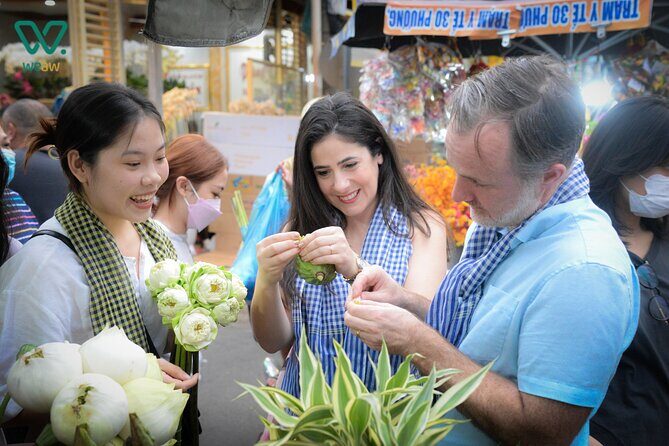
You’ll visit Ben Thanh Market as part of the plan. Even if you don’t shop, markets are useful for getting your bearings. They show how locals move through the day—what people buy, what feels important, and how commerce shapes everyday life.
Tip: if you want photos, don’t just aim your camera at goods. Aim it at the activity—faces, movement, and small interactions. That’s where the market’s meaning lives.
Thien Hau Pagoda (and Mazu)
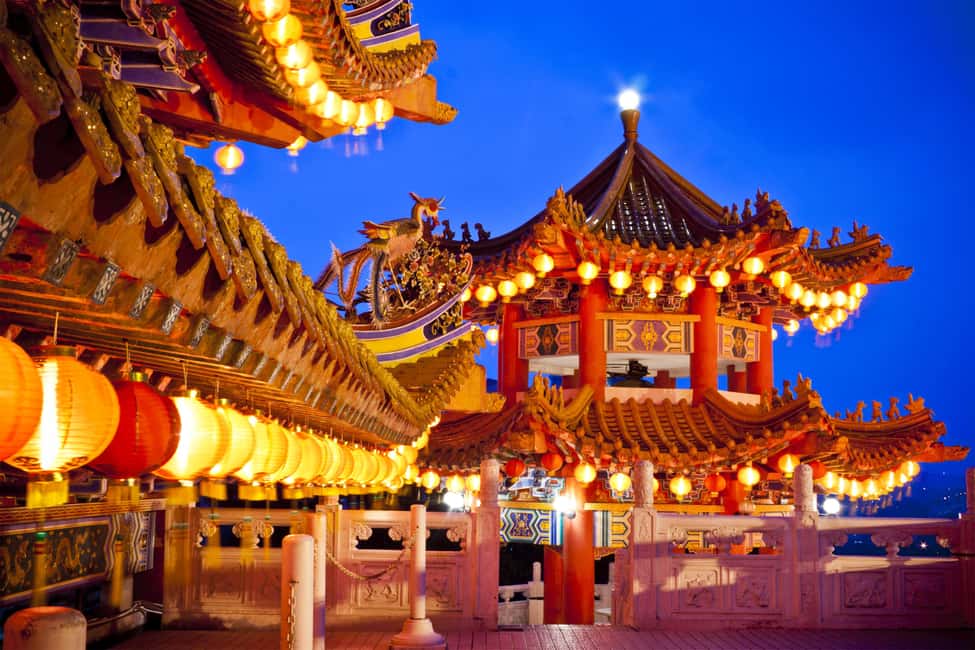
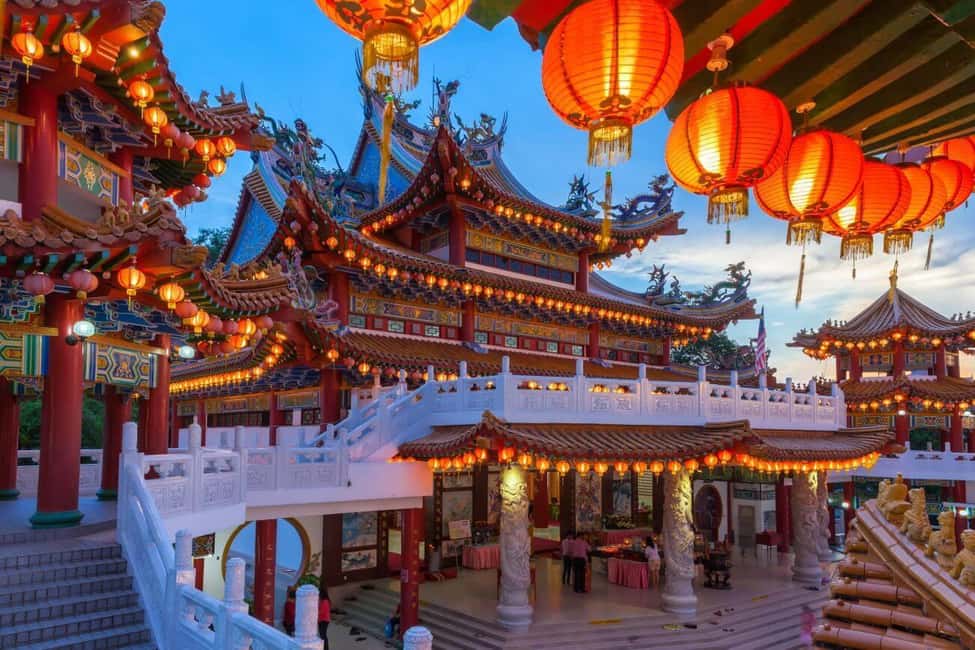
Next is Thien Hau Pagoda, dedicated to the sea goddess Mazu. This is one of those stops where you’ll benefit from a guide who can explain the religious context, because you’re looking at more than decorative architecture. The tour information highlights intricate architecture and a spiritual ambiance.
What I like about this combination—market plus pagoda—is that it connects practical life (trade and daily routines) with spiritual life. You can feel the contrast, and you also see how cultural identity doesn’t sit in one box.
If you’re visiting during prayer or busy times, stay respectful and keep your voice low. Dress modestly if you can, especially out of respect for the setting (it’s a smart move in any religious site).
Bach Dang Harbor Waterbus: A Saigon Skyline Break You’ll Appreciate
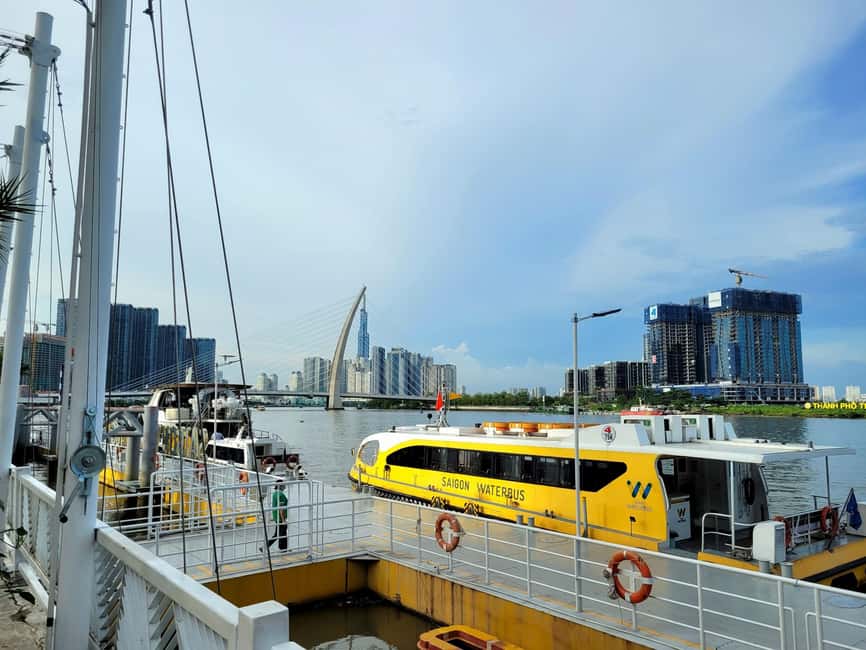
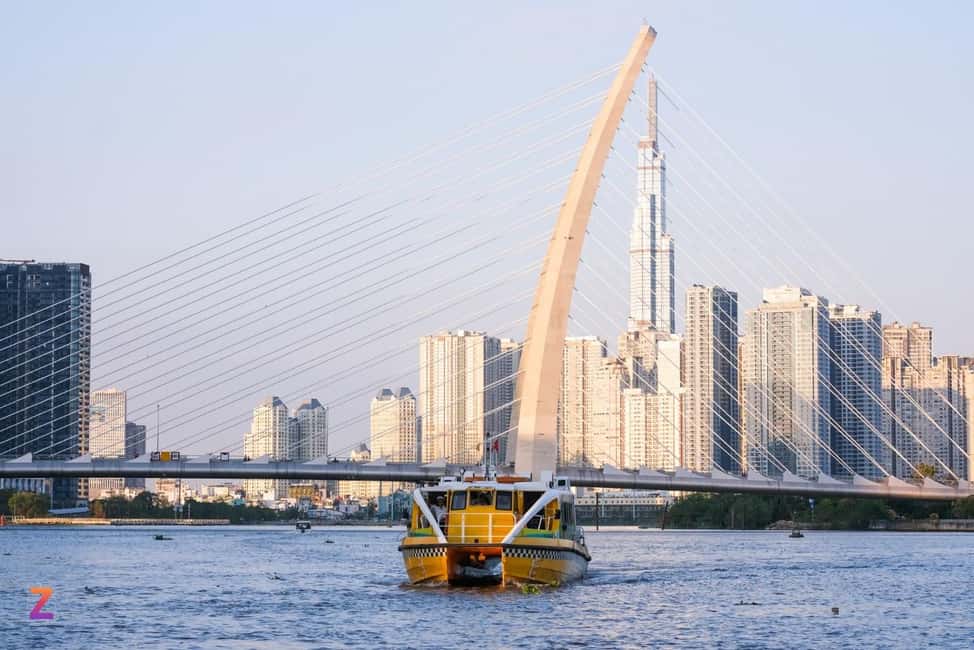
To close the day, you’ll head to Bach Dang Harbor to check in for a waterbus ride along the Saigon River. This is a relaxing way to shift gears after museums and walking.
As you cruise, you’ll get panoramic skyline views, including:
- Vinhomes Central Park
- Landmark 81 (Vietnam’s tallest skyscraper)
- Bitexco Financial Tower
- lush greenery of District 2
This is more than “a ride.” Being on the water gives you spacing and perspective you don’t get from streets. You can see how the city’s modern buildings sit alongside older urban layers. It’s also a nice reset for your feet and head.
What I’d recommend: treat this as your decompression moment. Even if you love sightseeing, your body will thank you. Take a few photos, then spend a few minutes watching instead of constantly shooting.
Price and Inclusions: What You Actually Get for $25
At $25 per person, the value here comes from bundling multiple expensive-in-time items: transport, an English-speaking guide, and entrance tickets for two major sites.
Included in the tour:
- Hotel pickup & drop-off in District 1
- Air-conditioned vehicle (with driver)
- English-speaking guide (with the stated surcharge for non-English guide in private tours)
- Entrance tickets: Reunification Palace and War Remnants Museum
- Bottled water (1 bottle per person)
- Cold towels
- Road tolls, parking fees, fuel
Not included:
- Drinks and meals (optional)
- Tipping
- Surcharge for other language guide in a private tour
One thing to plan: there isn’t a built-in “all meals included” promise in the provided details. So if you want lunch, you’ll likely need to pay for it yourself. In my experience with tours like this, there’s usually time built in for you to eat, but you should budget for it.
How to think about $25:
- If you were paying for guided entry tours plus private transportation time, the total often climbs fast.
- Here, your cost is mostly about logistics and expert storytelling, plus two key entrances.
- The river ride is the extra sweetener because it gives you a different viewpoint without adding ticket complexity.
Who Should Book This HCMC City Tour (and Who Might Skip It)
I’d say this tour fits best if:
- it’s your first time in Ho Chi Minh City and you want a structured day
- you want major landmarks plus local culture in Chinatown
- you value a guide’s context, especially for the war history sites
- you like ending with something calmer, like a Saigon River waterbus view
You might reconsider if:
- you strongly dislike war-related topics, since the War Remnants Museum is a core stop
- you want a short outing only, because the duration can run 4–8 hours
- you’re hoping for meals to be fully included (drinks and meals aren’t included in the details provided)
Also, the private option can be a good call if you want a tighter pace, more questions, or less “group energy.” Group options also work fine if you’re social and just want the route with minimal effort.
Should You Book This Private or Group Sai Gon City Tour With Pickup?
Yes, if you want a day that mixes architecture, a serious history stop, Chinatown culture, and a river skyline finale—without you coordinating tickets and transport. The guide-led flow is a big part of the value, and I especially appreciate the way the itinerary creates contrast: French-era buildings in the morning, heavier history in the middle, then spiritual and everyday life, then a relaxing ride to end.
That said, be ready for the War Remnants Museum segment. If you’re emotionally sensitive to wartime material, go in prepared to slow down. And budget a bit for drinks and meals since those aren’t included.
If your ideal HCMC day is classic sights plus real context, this one is worth your time.
FAQ
What’s included in hotel pickup and drop-off?
Pickup and drop-off are included for hotels in District 1.
How long is the tour?
The duration is listed as 4–8 hours, depending on the starting time you choose.
Which entrance tickets are included?
Entrance tickets are included for the Reunification Palace and the War Remnants Museum.
Are drinks and meals included?
No. Drinks and meals are not included (they’re optional).
Is the tour suitable for different languages?
Yes. Guides are available in Chinese, English, French, German, Italian, Japanese, and Spanish. For private tours, there may be a surcharge for a non-English guide.
What’s provided for comfort during the tour?
You’ll get bottled water (1 bottle per person) and cold towels, plus an air-conditioned vehicle.