REVIEW · HO CHI MINH CITY
Ho Chi Minh City Cu Chi Tunnels Full Day Tour with Local Lunch
Book on Viator →Operated by Asia Travel Links · Bookable on Viator
A day of history, above and below ground.
This full-day trip strings together Ho Chi Minh City’s biggest French-colonial sights with the Cu Chi Tunnels, where Vietnamese soldiers lived and worked underground. I like that it’s guided by a local history guide, not just a bus ride with random stops.
Two things I really like: lunch is included and the tour also handles entrance fees, so you can budget without surprises. The pace is long, but it’s structured so you get context for each site instead of rushing through checklists.
One possible drawback: some famous buildings, especially the Notre Dame Cathedral, are best appreciated from the street, not as a long interior visit. If you’re hoping for lots of time inside every stop, you may feel slightly constrained by the schedule.
In This Review
- Key takeaways
- Ho Chi Minh City Meets Cu Chi: Why This Day Trip Clicks
- Timing, Pickup, and the Pace (You’ll Be Moving)
- Notre Dame Cathedral and the Saigon Central Post Office: French-Era Stops That Matter
- Reunification Palace (Independence Palace) and War Remnants Museum: The Emotional Center
- How the Guide Turns City Stops into a Story
- Lunch and Break Time: Simple, Included, and Practical
- The Ride to Cu Chi: Rice Paddies, Rivers, and Quiet Time
- Cu Chi Tunnels: Video First, Then Several Hours Underground
- What You’ll Walk Away With (Beyond Photos)
- Price and Value: Is $45 a Fair Deal?
- Who This Tour Suits Best
- Should You Book This Ho Chi Minh City and Cu Chi Tunnels Full Day Tour?
- FAQ
- How long is the Cu Chi Tunnels and Ho Chi Minh City full-day tour?
- What does the tour cost?
- What time does the tour start?
- Is hotel pickup and drop-off included?
- What’s included for lunch and drinks?
- Which sites are included in Ho Chi Minh City?
- What happens during the Cu Chi Tunnels visit?
- Are entrance fees included?
- Is there free cancellation?
Key takeaways
- Local guide context ties city landmarks to the war and its aftereffects
- Notre Dame + Central Post Office give you that French-era architecture hit early on
- Reunification Palace and War Remnants Museum are the emotional core of the day
- Cu Chi Tunnels include a history video plus several hours exploring the network
- Lunch and entrance fees are included, with bottled water on the way
Ho Chi Minh City Meets Cu Chi: Why This Day Trip Clicks
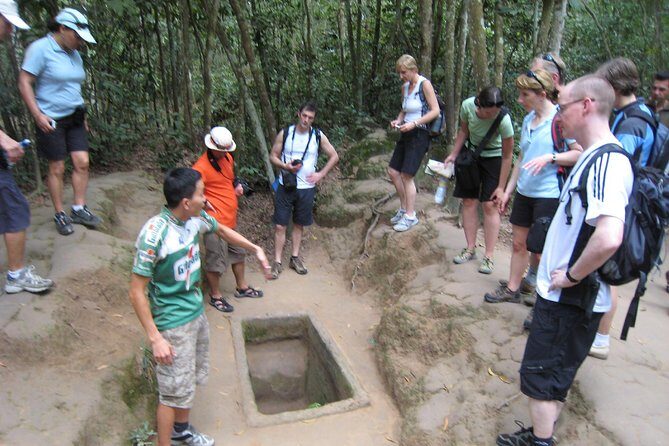
This is the kind of day that makes sense only because it pairs two worlds. Ho Chi Minh City shows you the surface story—colonial buildings, power centers, and the public spaces where history becomes visible. Then Cu Chi turns the volume down and the ceiling height down, taking you to the underground systems soldiers used to survive.
I like how the day is built around understanding, not just sightseeing. You’ll walk through places linked to the Vietnam War’s ending, then see what the war did to people through a museum packed with real-world artifacts and photos.
The best part is the framing. With a local guide, the stops don’t feel like separate photos. They connect: French-era structures, political landmarks, and the reality of underground life and conflict.
You can also read our reviews of more city tours in Ho Chi Minh City



Timing, Pickup, and the Pace (You’ll Be Moving)
The tour starts at 12:00 pm and runs about 12 hours. You’ll meet the driver at your hotel and then board a climate-controlled vehicle, which matters in Ho Chi Minh City’s heat and humidity.
The group size is capped at 15 travelers, so it’s large enough to feel organized but small enough for a guide to actually manage the flow. That’s helpful when you’re hitting multiple timed stops in the city, then leaving town for the tunnels.
Lunch is built into the day after the city portion and before heading out toward Cu Chi. Bottled water is included, but you should still plan to buy any extra drinks you want during the day since drinks aren’t included.
Notre Dame Cathedral and the Saigon Central Post Office: French-Era Stops That Matter
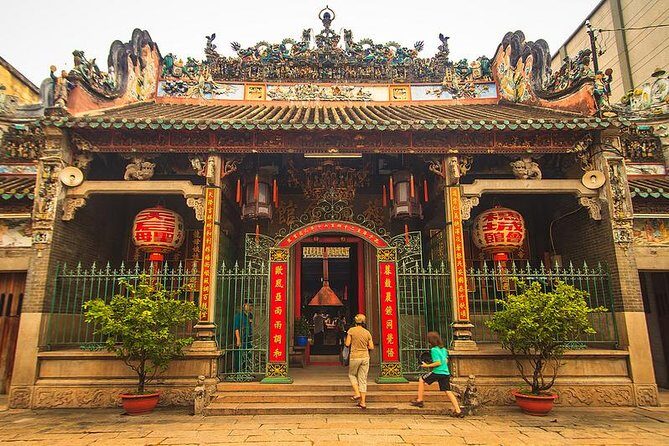
The tour takes you to the Notre Dame Cathedral, with its red-brick Gothic look rising above the street chaos. The big thing to know: you’re viewing it from outside, not doing a long interior visit. That’s fine if you treat it as an exterior architectural stop—because the contrast with daily city life is part of what makes it memorable.
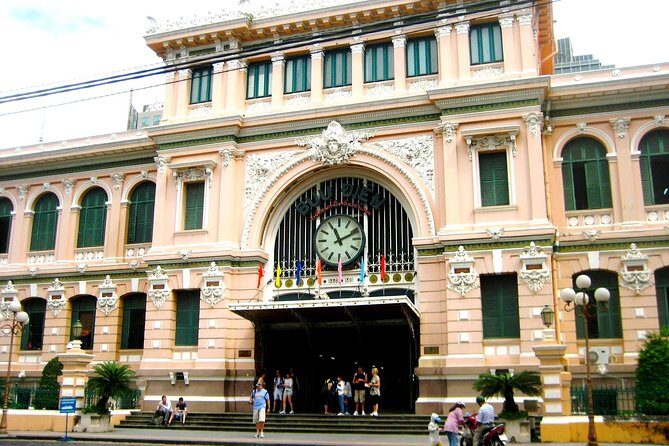
Right after that, you’ll head to the Saigon Central Post Office, a colonial-era structure known for its mix of European design influences. You’ll have about 30 minutes there, which is enough time to slow down, notice details, and understand why the building is still used as a functioning public space.
What makes these stops worth your time is context. A guide can point out how French colonial design created a recognizable administrative and civic atmosphere—an atmosphere that later changed as the war and its politics reshaped the city.
If you enjoy architecture and want a quick hit of history without a museum crawl, these two stops are a strong early anchor.
Reunification Palace (Independence Palace) and War Remnants Museum: The Emotional Center
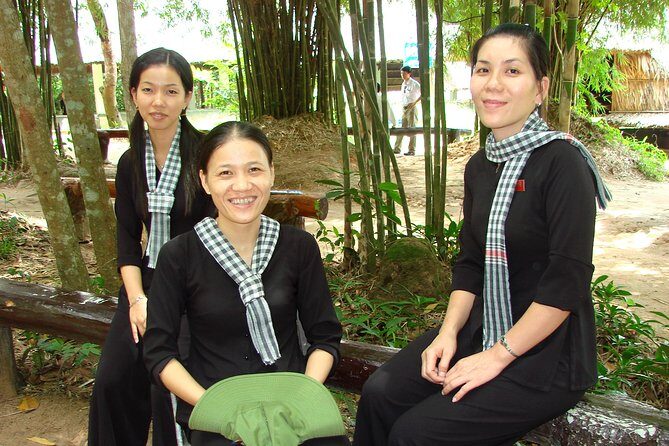
After the colonial-era sights, the tour shifts to the war’s end. You’ll visit the Reunification Palace, also called the Independence Palace, tied to where the Vietnam War came to an end. This is one of those places where you can feel the weight of political decisions turning into lived consequences.
You’ll have around two hours here. That’s enough time to look around without feeling like you’re rushing through rooms just to say you were there. It’s also enough time to let a guide’s explanations settle—especially when they connect what you’re seeing to broader Vietnamese history and national identity.
Then comes the War Remnants Museum, usually the hardest stop emotionally. You’ll spend about one hour here, and the focus is on the conflict’s weaponry and human toll. Expect the museum to be graphic and sobering.
This is the part of the day that tests your mood. If you’d rather keep things lighter, you can still do it, but plan to take breaks and don’t force yourself through every display. The value here is understanding what the war did beyond official dates and headlines.
How the Guide Turns City Stops into a Story
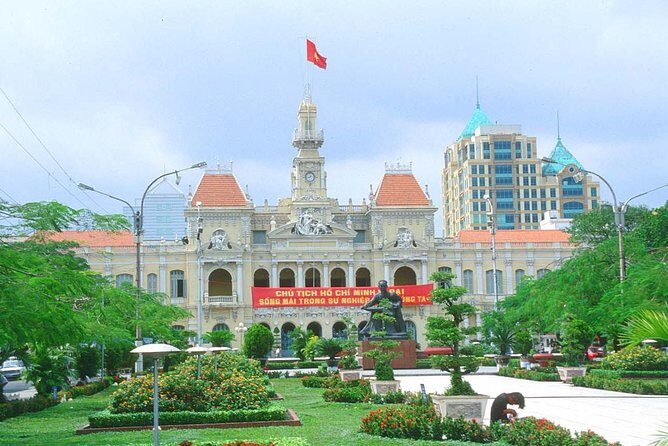
A good guide makes the difference between seeing buildings and understanding them. This tour is led by a professional guide, and the day is designed so the commentary follows along with what you’re looking at.
One name that stands out from past experiences is Bin, described as especially engaging, with a jovial personality that can keep the day moving when topics get heavy. Even if you don’t get the same guide, the goal stays the same: connect the sites with clear explanations of what they meant at the time and why they’re remembered now.
You’ll also notice that the schedule alternates between quick timed stops and longer moments. That rhythm matters. It keeps you from burning out in one place, and it gives you a natural moment to mentally process what you’ve just seen before the next transition.
You can also read our reviews of more tours and experiences in Ho Chi Minh City




Lunch and Break Time: Simple, Included, and Practical
Lunch is included, and it comes after you’ve seen the city’s key political and war-related sites. That timing is smart because your energy usually dips after a museum-style stop.
Along with lunch, you’ll have bottled water, which is the easiest way to stay comfortable between stops. Drinks beyond that are not included, so if you like soft drinks, coffee, or anything more than water, budget for it.
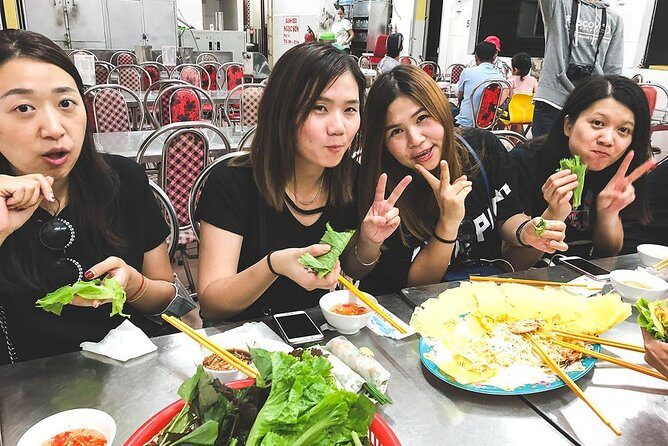
This isn’t a foodie tour. It’s a history-and-sites day. The lunch is best thought of as a reset so you can handle the Cu Chi portion later without feeling drained.
The Ride to Cu Chi: Rice Paddies, Rivers, and Quiet Time
Once lunch is done, you leave the city and head toward Cu Chi. The drive passes through rural areas, including rice paddies and winding rivers. You may also spot water buffaloes and water birds, which helps shift your mindset from urban monuments to the land where soldiers operated.
This segment is long enough that you’ll want to settle in. Bring patience, because travel time is part of the experience. The payoff is that Cu Chi doesn’t feel like a random pit stop—it feels like a place you’re traveling to, not just an attraction pulled onto your schedule.
If you like having a mental break, this is your moment. The vehicle is climate-controlled, and after the emotional museum visit, the scenery helps you reset.
Cu Chi Tunnels: Video First, Then Several Hours Underground
When you arrive, you start with a short video about the tunnels’ history and construction. This step matters because it gives you a simple map in your head before you start wandering the maze-like underground network.
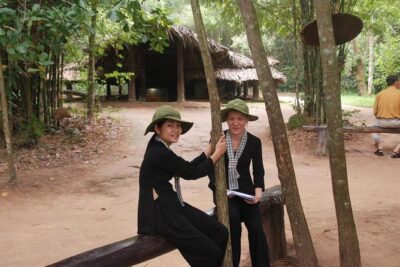
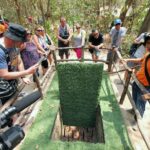
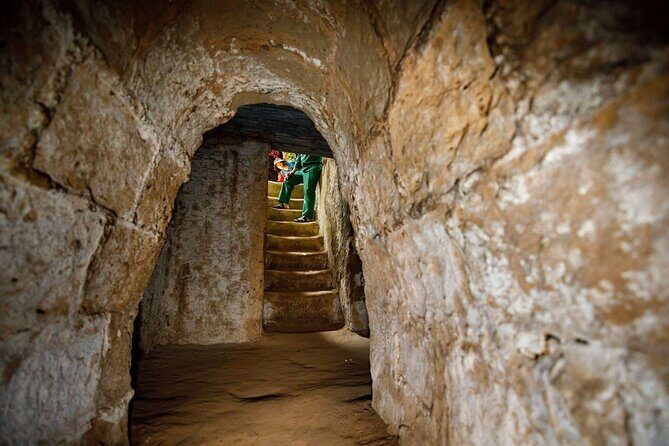
Then you get several hours to explore the tunnels. What you’re looking at wasn’t just hiding space—it was an entire working system. The tunnels included spaces like hospitals, schools, kitchens, and sleeping quarters, showing how daily life had to be rebuilt underground during wartime.
The tunnels are one of those experiences where your imagination does half the work. With a guide’s explanations, you can better understand how a city-like routine could exist below ground even under pressure.
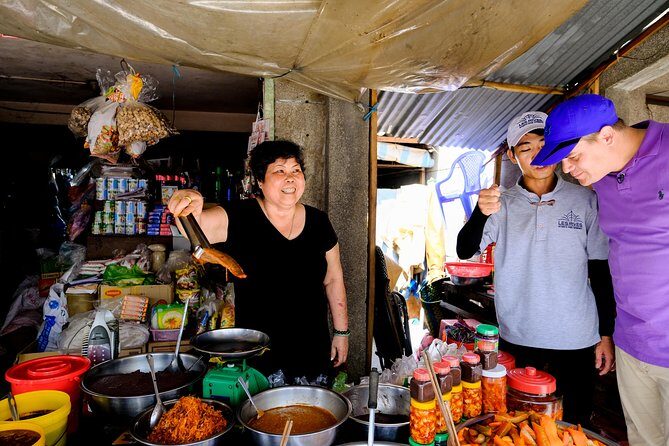
At the end, you’ll have a snack break with tea and guerrilla-style food. It’s not just a taste stop. It’s a transition back to the surface, and it gives you something warm and filling before the return drive.
What You’ll Walk Away With (Beyond Photos)
By the end of the day, you’ll have a clearer picture of how war shaped Vietnam in both public and private life. In the city, you see the symbols—architectural styles, political spaces, and the official narratives attached to them. At Cu Chi, you see the practical side—what survival and work had to look like underground.
This combination also gives you a stronger sense of cause and effect. How did political power and colonial-era buildings relate to later conflict? What changed, and what stayed? A guide helps you connect those dots while you’re still in the moment, not after you’ve gone home.
If you’re the kind of person who likes understanding context, this day fits you well. It’s also a good choice for groups that don’t all want museums for hours. Everyone can enjoy a mix: architecture, palace rooms, museum artifacts, and the tunnels’ underground maze.
Price and Value: Is $45 a Fair Deal?
At $45, the value is mostly in what’s already included. You get hotel pickup and drop-off, air-conditioned transport, a professional guide, lunch, and bottled water—plus all entrance fees.
That’s important because these stops aren’t “free” once you start adding tickets. When entrance fees are bundled, you avoid that last-minute moment of math while you’re hungry or trying to keep the group together.
The main things not included are straightforward: drinks beyond the bottled water, and pickup if your hotel is outside the eligible area. If you’re staying within the pickup zone, the price feels reasonable for a full-day program.
Who This Tour Suits Best
This tour is a great match if you want a structured day with clear themes: colonial-era city sights, the end of the war, and the underground systems at Cu Chi.
It also works well for people who like guided context rather than solo wandering. The pacing is full-day, so it’s less ideal if you prefer slow mornings and long, unhurried museum time.
If you’re bringing family, it can still work—Cu Chi is naturally engaging because it’s interactive and different from typical museum displays. Just be prepared for the War Remnants Museum to be intense.
Should You Book This Ho Chi Minh City and Cu Chi Tunnels Full Day Tour?
I’d book it if you want one day that meaningfully connects Ho Chi Minh City to the tunnels without piecing together separate transport and tickets. The included lunch, entrance fees, and guide make it a practical choice.
I’d think twice if your top priority is spending long hours inside buildings or if you’re very sensitive to graphic war-related material. The War Remnants Museum is a turning point in the day, and it isn’t designed to be gentle.
If you’re aiming for an honest snapshot of Vietnamese history—political, architectural, and personal—this is a strong way to spend your time.
FAQ
How long is the Cu Chi Tunnels and Ho Chi Minh City full-day tour?
It runs for about 12 hours.
What does the tour cost?
The price is $45.
What time does the tour start?
The start time is 12:00 pm.
Is hotel pickup and drop-off included?
Yes. The tour includes pickup and drop-off at select hotels in Ho Chi Minh City, and it’s not included for hotels outside the eligible area.
What’s included for lunch and drinks?
Lunch is included, and bottled water is provided. Drinks are not included.
Which sites are included in Ho Chi Minh City?
You’ll visit stops including the Notre Dame Cathedral, the Saigon Central Post Office, the Reunification Palace (Independence Palace), and the War Remnants Museum.
What happens during the Cu Chi Tunnels visit?
You’ll watch a short history video first, then explore the tunnels network for several hours. At the end, you’ll have tea and guerrilla-style food as a snack.
Are entrance fees included?
Yes. Entrance fees are included in the tour.
Is there free cancellation?
Yes, you can cancel for a full refund up to 24 hours before the experience starts.