Four cups, one skill set.
This hands-on course in Ho Chi Minh City is a focused way to understand why Vietnamese coffee tastes the way it does. You’ll learn the meticulous steps of traditional drip coffee—then apply them to four classics, including egg coffee. The goal isn’t just to drink something sweet. It’s to learn technique and get the layered, good-looking cup that makes Vietnamese coffee feel like a performance.
I like that the class blends practical brewing with coffee culture, so you’re not memorizing steps in a vacuum. I also like that you make four versions using different ingredients, which helps you understand how bitter and sweet can work together. One consideration: these drinks are strong, so if you go in the afternoon, plan your caffeine timing.
In This Review
- Key highlights
- Vietnamese Coffee 101, but you actually make it
- The four cups you’ll learn to brew (and why that sequence helps)
- How the traditional drip method becomes your superpower
- Egg coffee, sea salt, coconut, and condensed milk: a flavor-balance lesson
- Meet your barista, ask questions, and get the history context
- Price and logistics: what you’re paying for
- The Ho Chi Minh City meeting point: easy to find, central enough
- Who should book this egg coffee course (and who might not)
- Practical tips to get the most from the class
- Should you book? My call
- FAQ
- How long is the Egg Coffee course?
- Which coffee types are included?
- Does the class teach a traditional brewing method?
- Do I get the ingredients and tools?
- Who leads the workshop?
- What is the group size limit?
- Where does the class meet?
- Are service animals allowed?
- What’s the cancellation policy?
Key highlights
- 4 Vietnamese drip styles in one session: egg coffee, condensed milk dark roast, sea salt, and coconut milk coffee
- Technique first, presentation matters so your cups look as good as they taste
- Small group size with a maximum of 15 people
- Head Barista-led, hands-on practice plus a Q&A at the end
- All accoutrements provided so you can focus on learning, not shopping
- Special gifts for everyone after the class
Vietnamese Coffee 101, but you actually make it
Vietnamese coffee culture has a way of sticking to you. Not just because it’s caffeinated. It’s because the method and the flavors are built for balance—bitter coffee meeting sweet, and hot drink meeting cool textures, all in one cup.
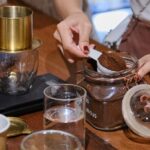
This workshop takes that idea and turns it into something you can repeat at home. You learn the steps of steeping and brewing with traditional drip methods, guided by a skilled barista (a Head Barista leads the experience). The attention on technique and presentation matters because Vietnamese coffee is often judged by more than taste. The best cups show clear layering and a look that signals care.
You also spend time on the background of coffee in Vietnam, including how it developed and became part of daily life. If you’ve only ever known coffee as a single flavor profile, this is where the country-specific approach starts to make sense.
And yes, there’s a social side. The class format is built for conversation, and the pacing tends to keep the group engaged rather than stuck watching from the sidelines. One host noted in prior sessions (Long/Sarah) is described as funny and moving at a comfortable tempo, which helps if you’re traveling solo and want to meet people without awkward small talk.
You can also read our reviews of more tours and experiences in Ho Chi Minh City

The four cups you’ll learn to brew (and why that sequence helps)
The class teaches you to create four specific styles of Vietnamese coffee:
- Egg Coffee – Cà Phê Trứng Lòng Đỏ
- Dark Roast Condensed Milk Coffee – Cà Phê Sữa Đá
- Sea Salt Coffee – Cà Phê Muối Biển
- Coconut Milk Coffee – Cà Phê Cốt Dừa
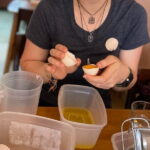
The smartest part is that you don’t just sample four drinks and call it a day. You learn to make each one, which forces you to pay attention to what changes when you shift ingredients. Vietnamese coffee is often about contrast: bitter notes from the coffee meeting sweet notes from added ingredients. The workshop has you focus on that balance across the four variations.
Also, the class is set up around how the drink evolves as you brew it—texture, temperature, and flavor all interact. That’s why the course emphasizes steeping and brewing steps, not just mixing.
If you’re worried that the drinks will feel repetitive, you’ll likely be glad the menu includes both dairy and non-dairy styles, plus a sea salt version. Even if you don’t have a strong opinion about any one ingredient, changing the base and sweetener approach helps your palate understand how Vietnamese coffee is built.
How the traditional drip method becomes your superpower
Most coffee classes teach recipes. This one teaches how to handle the process. You’re guided through steeping and brewing using traditional drip equipment and methods, with an emphasis on careful technique and visual presentation.
Here’s why that’s valuable for you:
- When you understand the method, you can adapt it later. Different brands of coffee, different sweetness levels, even different cups can still work if your technique is solid.
- Layering is not just a photo trick. In drip-based Vietnamese coffee, the final look can reflect how the brew came together.
- Temperature and texture matter. The course repeatedly ties taste to the interplay of what’s hot, what’s sweet, and how ingredients combine.
You’ll also practice in a way that keeps you moving. The format is hands-on, not a long lecture. In prior sessions, the class vibe was described as chill, with clear explanations and a host who kept things rolling. That matters because learning coffee at a steady pace is the difference between doing it once and actually remembering how to do it.
Egg coffee, sea salt, coconut, and condensed milk: a flavor-balance lesson
You’ll learn egg coffee, condensed milk coffee, sea salt coffee, and coconut milk coffee as distinct targets, not as random add-ons. The course highlights the bitter-and-sweet balance that defines Vietnamese coffee, plus the way bold flavors unfold as you taste.
Even without turning this into a chemistry lesson, you’ll start noticing patterns:
- Some additions push toward richer, rounder sweetness.
- Others add saltiness that changes how bitter coffee feels on your tongue.
- Coconut brings a different kind of creaminess and sweetness profile than condensed milk.
The workshop’s structure—make, taste, then talk—helps you connect the ingredient choices to what you actually perceive in the cup. That’s the kind of practical learning that sticks.
If you love food and you like understanding why a dish tastes the way it does, this will feel satisfying. If you just want something delicious fast, you still get that. The point is that you’re learning while you’re enjoying, and the two don’t compete.
Meet your barista, ask questions, and get the history context
The experience is led by a Head Barista and a skilled barista who guide you through technique and presentation. Before hands-on brewing gets going, you get a quick orientation to Vietnamese coffee culture and history—how coffee developed in Vietnam and why it became so important.
Then it becomes practical. You learn the steps, you practice, and you end with a Q&A and discussion about how coffee culture is changing. That last part matters because it moves the experience beyond nostalgia. It helps you understand Vietnamese coffee as something alive, not just a museum artifact.
If you’re the type who likes to ask why things work, the Q&A is a good moment to do it. And if you’re not, you’ll still get value because the explanations tend to focus on technique rather than jargon.


Price and logistics: what you’re paying for
The price is $25.00 per person for about 2 hours, and you’ll have a mobile ticket. For Ho Chi Minh City, this isn’t a bargain workshop where you leave with one drink and a vague memory.
You’re paying for:
- A Head Barista-led class focused on method and presentation
- Four coffees made by you, not just served to you
- All accoutrements included, so you don’t need to buy tools or ingredients
- Small-group attention with a maximum of 15 people
- A wrap-up Q&A and the chance to connect with other coffee-focused travelers
In other words, you’re buying instruction plus product plus hands-on time. That’s good value for anyone who wants more than a tasting.
Timing matters too. The drinks add up. One big practical point from real expectations: the course can be a lot of caffeine in one sitting. If you take the afternoon session, it’s smart to plan your evening accordingly. If you want a steadier effect, consider morning.
The Ho Chi Minh City meeting point: easy to find, central enough
The meeting point is at 131/3 Nguyễn Thị Minh Khai, Phường Phạm Ngũ Lão, Quận 1, Thành phố Hồ Chí Minh 711106, Vietnam. That’s in District 1, which makes it convenient if you’re staying central.
It’s also near public transportation, so you won’t need a complicated route. And the session ends back at the meeting point, which saves you from figuring out where to go next.
If you like keeping your days flexible, the 2-hour window helps. You can fit this workshop between other District 1 plans without turning your afternoon into a giant travel puzzle.
Who should book this egg coffee course (and who might not)
This is a great match if you:
- Love coffee and want to understand Vietnamese brewing style, not just taste it
- Prefer hands-on learning over lecture-only classes
- Want to try egg coffee, sea salt coffee, coconut milk coffee, and condensed milk coffee in one go
- Like meeting people on small-group activities (max 15)
You might think twice if:
- You’re trying to avoid caffeine entirely, because the experience includes four caffeinated drinks
- You dislike structured activities where you’ll be guided through steps and expected to practice
That said, even if you’re new to coffee brewing, the class is designed to teach method from the ground up. The explanations are structured, and the pacing keeps you engaged.
Practical tips to get the most from the class
Here are a few ways to make the most of your time:
- Go hungry for learning, not just for drinking. Pay attention to the method steps as you go.
- Watch the layering and presentation goals. Even if you don’t care about visuals, it helps you understand how the brew is coming together.
- Ask questions during the Q&A. If you want to recreate the cups later, this is where you can clarify technique.
- Consider your day’s timing. If you’re sensitive to caffeine, morning can be easier than afternoon.
Also, this class provides special gifts to all participants. It’s small, but it adds to the feeling that you’ve taken part in something organized, not a casual hangout.
Should you book? My call
Book it if you want a hands-on Vietnamese coffee skill that goes beyond tasting. For $25 and about two hours, you get method-focused instruction, four different coffee styles, and a small-group setup with a Head Barista guiding the process. The most praised parts of the experience—clear explanations, a funny and engaging host, and the enjoyable pace—are exactly what you need for learning coffee without getting overwhelmed.
Skip it if caffeine timing is a problem for you or if you only want a quick drink with no learning component.
If you like your travel experiences practical and delicious, this one fits nicely. You’ll leave understanding how Vietnamese coffee gets its balance, and you’ll know how to attempt the same approach again long after you’ve left District 1.
FAQ
How long is the Egg Coffee course?
It lasts about 2 hours.
Which coffee types are included?
You learn to make egg coffee, dark roast condensed milk coffee (cà phê sữa đá), sea salt coffee (cà phê muối biển), and coconut milk coffee (cà phê cốt dừa).
Does the class teach a traditional brewing method?
Yes. You learn steeping and brewing using traditional drip methods.
Do I get the ingredients and tools?
Each participant receives all the accoutrements needed for the preparation during the class.
Who leads the workshop?
The experience is guided by a Head Barista and a skilled barista.
What is the group size limit?
The class has a maximum of 15 travelers.
Where does the class meet?
The meeting point is 131/3 Nguyễn Thị Minh Khai, Phường Phạm Ngũ Lão, Quận 1, Thành phố Hồ Chí Minh 711106, Vietnam.
Are service animals allowed?
Yes, service animals are allowed.
What’s the cancellation policy?
Free cancellation is available. You can cancel up to 24 hours in advance for a full refund. If you cancel less than 24 hours before the start time, the amount paid is not refunded.