REVIEW · HO CHI MINH CITY
Mekong Delta 3-Day: Saigon to Phnom Penh Gateway
Book on Viator →Operated by TNK Travel · Bookable on Viator
The Mekong runs on boats. This 3-day route links Ho Chi Minh City to Phnom Penh with a packed mix of village life, floating markets, temples, and river scenery—plus a friendly English-speaking guide (I’ve seen guides like Sunny and John named in past departures).
I especially like how the days focus on real waterway routines—canals, rivers, and market boats—without making everything feel like a museum. I also like the value: you get hotel pickup, a small group (max 25), and most meals, so you’re not constantly budgeting minute to minute. The main trade-off is time: it can feel like a lot of riding (bus plus boats), and some stops are quick.
In This Review
- Mekong Delta to Phnom Penh: how this trip really feels
- Quick hits: what to pay attention to
- From Saigon pickup to Cai Be: your day starts early on purpose
- Cai Be: old-house architecture, coconut sweets, and the Tien River rhythm
- Tan Phong canals and the lunch-in-a-garden stop
- The Cai Rang floating market + noodle factory: the Mekong in motion
- Khmer temple stop and Con Son’s craft-and-eco approach
- Tra Su Bird Sanctuary and Ba Chua Xu Temple: nature + pilgrimage
- Chau Doc and the road toward Phnom Penh: how the connection works
- Hang Pagoda on Sam Mountain: stairs, shade, and temple calm
- Floating village and Cham Village: a closer look at cultural blending
- Long Xuyên: a practical local-food stop before the ride back
- Price and value: is $261 a fair deal?
- Meals, timing, and the “bus-and-boat” reality
- Guide quality: why names like Sunny and John matter
- Where this tour shines for the right traveler
- Should you book this Mekong Delta 3-day gateway tour?
- FAQ
- What time does the tour start?
- Where does pickup happen in Ho Chi Minh City?
- What meals are included?
- Is a vegetarian meal option available?
- Is the Phnom Penh transfer included, and what do I need to provide?
- Do I need a Cambodia visa?
- How many people are on the tour?
Mekong Delta to Phnom Penh: how this trip really feels
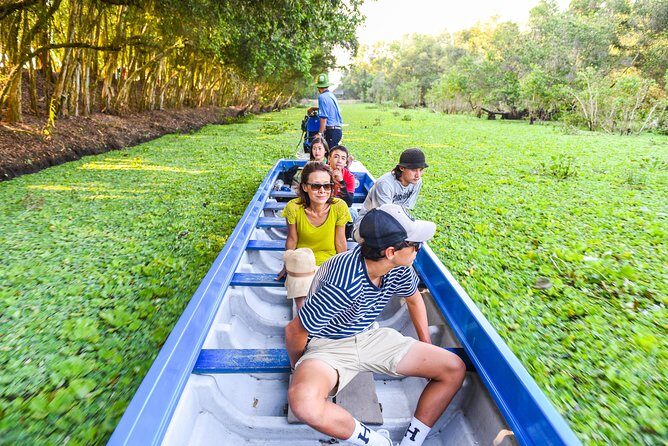
By design, this is a “gateway” trip. You start in the Saigon area, spend two full days moving through the Upper and Lower Mekong Delta, and finish in the Chau Doc area with an optional connection onward to Cambodia’s capital. You’ll see how the region trades goods, cooks food, prays in multiple traditions, and sells crafts—often in places that feel off the main tourist circuit.
One possible drawback to consider: while the tour includes several scheduled cultural stops, the itinerary also includes the kind of short, guided shopping pauses that can feel like tourist traps to some people. If you’re the type who hates pressure to buy, go in with a calm plan: enjoy the stop, don’t feel obligated, and keep moving.
Quick hits: what to pay attention to
- Small group size (max 25) keeps the ride manageable and makes it easier to hear your guide.
- Cai Be + Cai Rang gives you both “older delta” canal life and the big floating market rhythm.
- Tra Su Bird Sanctuary is one of the most memorable nature moments on the route.
- Khmer temple stop + Cham Village adds cultural variety beyond Vietnam’s majority culture.
- Fast-boat option to Phnom Penh is included if you choose the exit, but it needs a passport photo in advance.
- Long days, early mornings mean you’ll want a good breakfast and patience for travel time.
You can also read our reviews of more tours and experiences in Ho Chi Minh City
From Saigon pickup to Cai Be: your day starts early on purpose
The day begins with a morning pickup from a centrally located hotel in District 1 (with a note that Tan Dinh ward and Da Kao ward aren’t included). The standard start is 7:45am, and the whole plan is built around that early timing.
That matters because the Mekong looks different across the day. Earlier hours help you catch the delta before the heat stacks up and before some of the biggest crowds fully arrive at markets and river docks. It also helps logistics: you’re traveling by road into the delta, then switching to boats and smaller transports.
Tip for your comfort: pack light and wear shoes you trust on wet steps and uneven dock surfaces. Even when the itinerary feels smooth, river days bring sudden footing changes—especially around floating market areas and temple stairs.
Cai Be: old-house architecture, coconut sweets, and the Tien River rhythm
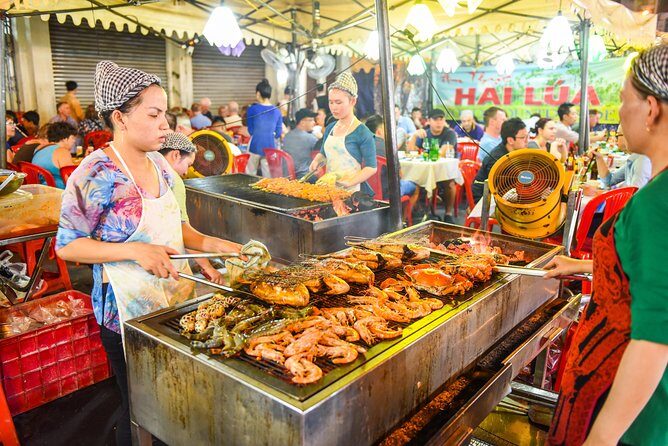
Your first big delta base is Cai Be, and it’s a strong choice because it mixes scenery with practical life. Expect river travel on the Tien River, and a sense of how local waterway commerce has changed over time. The vibe here is quieter than the loudest market scenes, which is exactly why it works early in the trip.
A highlight is Nhà cổ Ông Kiệt—a preserved antique house that shows how the delta’s architecture was shaped by local materials and river-era wealth. This stop is short, but it gives your brain a “why this place looks like it does” moment.
Then comes Tan Phong, where you’ll see a family-run confectionery making coconut sweets and rice popcorn. It’s not just about snacks; it’s about understanding how delta ingredients travel from farms to kitchens. You’ll often watch hands-on work with familiar, humble foods turned into something that keeps well and sells well—perfect delta logic.
Tan Phong canals and the lunch-in-a-garden stop
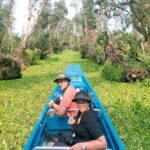
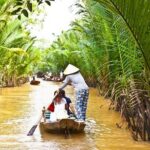
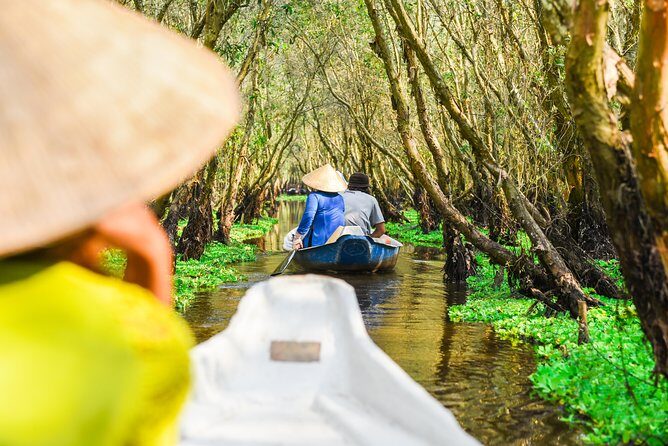
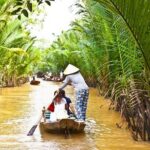
After the sweets, you move into the smaller-canal world of narrow waterways lined with water-coconut palms and water lilies. This is the part that makes the Mekong feel like a place, not a route. The boat time here is your mental reset: sit back, watch palm shadows, and let the river do the talking.
Lunch is served in a garden setting with tropical fruit and herbs around. The tour description makes a point of local ingredients, and even if meals can be a little hit-or-miss in quality depending on the stop, this is one of the nicer “pause” moments in the middle of a long day.
In the afternoon you may get a bicycle ride on dirt trails through island countryside—rice paddies, fruit groves, and palms all around. This is a good way to balance the boat-and-bus rhythm. If you’re not into cycling, treat it as optional “slow travel”—you can still enjoy the countryside from the saddle-free vantage points when possible, but it’s best to check with your guide what’s available that day.
The Cai Rang floating market + noodle factory: the Mekong in motion
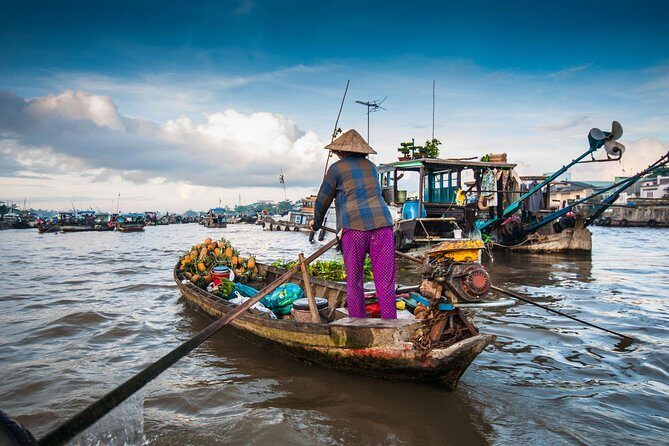
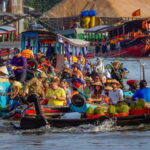
Day two leans hard into the Mekong’s “main character” moments with Cai Rang Floating Market. You go by boat along the Bassac River, then you’re at the market area where local commerce happens right on the water.
This stop hits best when you arrive with a little patience. Floating markets aren’t neat photo backdrops; they’re working spaces. You’ll see boats stacked with goods and you’ll watch how people buy and trade.
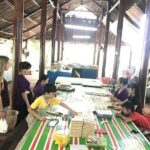
Right after, there’s a noodle factory visit. You’ll see rice noodles made from raw ingredients to finished product using traditional methods. This is one of those stops that can feel small on paper, but it explains a lot about what you’ll eat in the delta. When you later try similar noodles at home, you’ll recognize the process behind the texture.
Khmer temple stop and Con Son’s craft-and-eco approach
Next is Munir Ansay Pagoda, a Khmer Buddhist temple. This is valuable because it shows the delta isn’t one-note. You’ll see Khmer artistry and murals on sacred grounds, which helps you understand why the region’s spiritual life looks different depending on where you stand.
Then you shift to Cồn Sơn (Con Son), where the tour frames the community’s tourism as eco-conscious. Expect a boat journey and time to see how traditional crafts are supported through family initiatives. It’s a good middle ground if you like culture stops but want something lighter than a long lecture—more observation than classroom.
Tra Su Bird Sanctuary and Ba Chua Xu Temple: nature + pilgrimage
After lunch on day two, you head toward Tra Su Bird Sanctuary near Châu Đốc. This is a mangrove ecosystem area, and it’s one of the most consistently praised parts of the whole experience. Bring a camera, but also bring calm attention—this is a place where the best moments can be quiet.
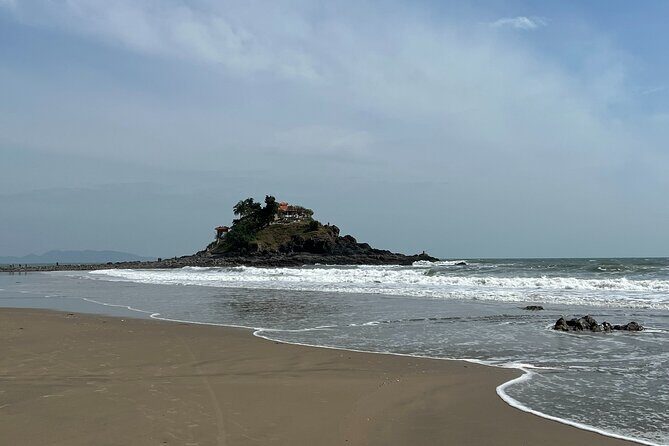
Then comes Mieu Ba Chua Xu Nui Sam (Ba Chua Xu Temple), a Vietnamese pilgrimage site connected to the protective deity. This is a different energy from the bird sanctuary: you’re moving from nature scale to human devotion and ritual. Expect a short visit, but the setting helps you see why people return here year after year.
Chau Doc and the road toward Phnom Penh: how the connection works
Day three starts around Châu Đốc again, which is smart. This is where the Mekong network and border-area routes make more sense. The tour includes an optional arranged stop at the boat meeting point if you’re continuing onward to Phnom Penh.
Hang Pagoda on Sam Mountain: stairs, shade, and temple calm
You’ll visit Hang Pagoda (Chua Hang) on Sam Mountain. The tour describes a mountain path with lush greenery and a serene sanctum. This is the kind of stop that benefits from good footwear and steady pacing. Even though it’s only around 30 minutes, you’ll get a break from boat schedules and ride time.
Floating village and Cham Village: a closer look at cultural blending
Next you visit the floating village and the Cham Village. This is where the trip adds another cultural layer—Cham heritage in a Mekong Delta context. Expect your guide to connect what you see to daily life patterns, and try to ask questions when you can. Short visits can pass fast, but a good question can turn a checklist stop into a real understanding moment.
Long Xuyên: a practical local-food stop before the ride back
Then there’s Long Xuyên, with time for Mekong Delta cuisine at a local restaurant. The tour notes fresh regional ingredients and traditional methods. This part is important because it’s a reset meal before your final transfer back.
Finally, you’ll transfer back toward Ho Chi Minh City, wrapping up the 3 days.
Price and value: is $261 a fair deal?
At about $261 per person, this tour competes well when you count what’s included: hotel pickup, an English-speaking guide, multiple boat trips, entrance fees for the stops listed, air-conditioned transport, mineral water (1 bottle/day), and a mix of meals (2 breakfasts, 2 lunches, plus dinner). Accommodation is also included—3-star hotels or similar on a twin/double share basic.
Here’s the value math that matters for you: Mekong Delta trips often stack costs fast once you add private boats, entrance tickets, and intercity transfers. This package bundles those pieces so you can focus on the experience rather than planning every handoff.
One note from real-world experience: lodging quality can be basic depending on the hotel assigned. Some departures may offer a homestay bungalow option (one of the more memorable experiences for many people). If you’re sensitive to lack of A/C or want a more predictable room setup, choose your accommodation preference carefully when booking.
Meals, timing, and the “bus-and-boat” reality
This itinerary is built around movement. Expect a mix of bus rides and multiple boat segments. That’s not a flaw—it’s the point—but it affects your comfort and patience.
Many meals are included, but meal quality can vary by stop. One practical approach: eat what’s served when it’s served, and don’t build your expectations on one restaurant brand. If you’re picky or have dietary needs, put it in writing when booking. The tour states a vegetarian option is available if you ask ahead.
Practical pack list for this kind of schedule:
- Light rain layer or compact umbrella
- Power bank for long travel stretches (charging ports aren’t guaranteed)
- A small snack for the quick-transition gaps
- Motion sickness meds if you’re sensitive on boats or winding roads
Guide quality: why names like Sunny and John matter
Tour guides can make or break these river days. In past departures, English-speaking guides such as Sunny, John, Tom Cruz, and Gordon have been specifically praised for being energetic, informative, and attentive.
Still, guide experience can vary from group to group, and the pace can feel intense if you’re hoping for slow conversations everywhere. My advice: be friendly and proactive. If you need clarity—timing, meeting points, or how long you’ll be at a stop—ask early and ask once. Then follow the guide’s lead and keep your own expectations realistic.
Where this tour shines for the right traveler
This Mekong Delta to Phnom Penh gateway tour is best for you if you want:
- A structured route with local guiding and built-in transport
- Big “signature” hits like Cai Rang floating market and Tra Su
- A mix of nature, markets, and temples rather than only scenery
- A value-focused trip where most meals are handled
It may not be the best fit if you:
- Hate short stops and constant movement
- Strongly dislike shopping/craft stops where purchases are encouraged
- Want lots of free time in one place to wander on your own
Should you book this Mekong Delta 3-day gateway tour?
If you want Mekong Delta culture without doing complicated logistics yourself, I think this is a strong option. The combination of Cai Be canals, Cai Rang market, a Khmer temple, Tra Su Bird Sanctuary, and the Cham/floating-village angle gives you variety in three days. With hotel pickup, most meals, a small group size, and an included Phnom Penh transfer option, you’re buying convenience as much as sightseeing.
Book it if you can handle early starts and you’re okay with a schedule that moves fast. Skip it if your ideal trip is slow, mostly land-based, and free of brief retail-style stops. If you’re somewhere in the middle, plan to enjoy the river parts most—and keep your “shopping radar” turned off so you don’t feel pulled.
FAQ
What time does the tour start?
The start time is 7:45am.
Where does pickup happen in Ho Chi Minh City?
Hotel pickup is included for centrally located hotels in District 1, except Tan Dinh ward and Da Kao ward.
What meals are included?
The tour includes dinner, 2 breakfasts, 2 lunches, and mineral water (1 bottle/day).
Is a vegetarian meal option available?
Yes. A vegetarian option is available if you request it at booking.
Is the Phnom Penh transfer included, and what do I need to provide?
There is an optional exit to Phnom Penh with fast boat service depending on real-time availability. To complete the booking procedure for the boat service to Phnom Penh, you need to provide a passport photo for each traveler before departure.
Do I need a Cambodia visa?
Yes. A Cambodia visa is not included.
How many people are on the tour?
The tour has a maximum group size of 25 travelers.