REVIEW · HO CHI MINH CITY
Tea & Coffee Experience
Book on Viator →Operated by WEAW EXPERIENCE TRAVEL COMPANY LIMITED · Bookable on Viator
Your cup gets a Saigon education. This 5-hour Ho Chi Minh City experience takes you into the smells and rhythms of Vietnamese coffee culture, then slows down for tea—sips, aromas, and conversation that feel more human than tour-guide scripted. You’ll visit Cheo Leo Cafe, described as the oldest coffee shop in Saigon, and you’ll also brew with a phin filter so you’re not just spectating.
I especially like the hands-on brewing—making your own phin-coffee is the kind of skill you can repeat at home. I also like that the tour keeps both coffee and Vietnamese tea in the spotlight, so you taste how two very different drinks shape daily life in Saigon. It’s not a rushed checklist of sips.
One consideration: the tour is built around tea and coffee, so if you’re not into either one (or you’re sensitive to caffeine), you’ll need to pace yourself and drink water between tastings. Also, the program asks for good weather, so plan for a change of date if conditions are poor.
In This Review
- Key highlights before you go
- A 5-hour Saigon cup-and-conversation plan
- Cheo Leo Cafe and the smell test that starts it all
- Making Vietnamese coffee with a phin filter in the city center
- Vietnamese tea tasting: slowing down the taste
- Vegetarian sharing lunch: where the tour becomes social
- Transport, tickets, and what $97 buys you
- Who should book this coffee and tea experience?
- Smart tips so you taste more and stress less
- Should you book it?
- FAQ
- How long is the Tea & Coffee experience in Ho Chi Minh City?
- What is the price for this tour?
- Is pickup offered?
- Is this a private tour?
- Does the tour include making Vietnamese coffee with a phin filter?
- What drinks and tastings are included?
- Is lunch included, and is it vegetarian?
- What if the weather is poor?
- What are the cancellation rules?
Key highlights before you go
- Cheo Leo Cafe, the oldest coffee shop in Saigon: you’ll start where the story is already brewing.
- Brew-your-own phin filter coffee: more than tasting; you’re learning the method.
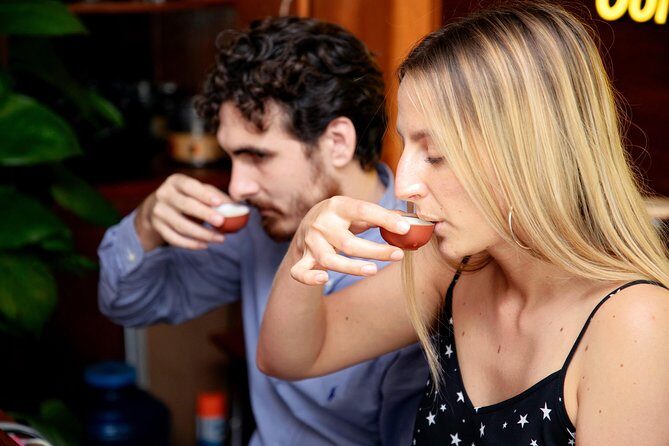
- Vietnamese tea tasting with guided sipping: focus stays on aroma, taste, and simple conversation.
- Vegetarian sharing lunch: a communal meal that fits the tour’s slow, local pace.
- Private transportation and bottled water: less hassle, more time for the cups.
A 5-hour Saigon cup-and-conversation plan
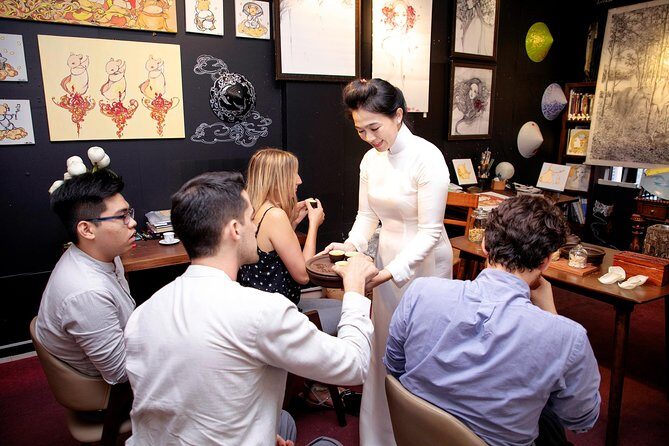
Ho Chi Minh City can be loud and fast. This tour does the opposite: it puts you in narrow lanes and small shop atmospheres where coffee smell sticks to your clothes (in a good way), then brings you back to a shared table for tea and food.
At about 5 hours total, it’s long enough to feel like an experience, not a quick stop. You get private transportation, and that matters here because the city’s traffic can turn a relaxed afternoon into a stressful one. You also get bottled water along the way, which helps when you’re sampling both coffee and tea.
The vibe in the tour description leans into being a fellow-traveller, local, and no-plastic. I’d treat that as a hint: keep your expectations simple. You’re there for taste, smell, and the small moments—how people gather, how they pause, and what they choose to share.
You can also read our reviews of more tours and experiences in Ho Chi Minh City

Cheo Leo Cafe and the smell test that starts it all
Your first stop is Cheo Leo Cafe, labeled as the oldest coffee shop in Saigon. That’s a great anchor point because it gives context before you start tasting. You’re not just drinking something. You’re stepping into a place people have likely visited for years—maybe decades.
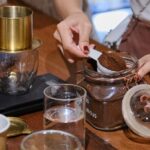
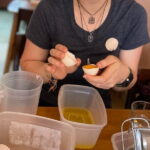
What I’d pay attention to at this stop is the way the coffee smells before you even taste it. The tour setup talks about small alleys and that mix of bitter and sweet notes that Vietnamese coffee is known for. When you walk into these coffee spaces, your brain adjusts quickly: the air is heavier, coffee aromas hang around longer, and the whole place feels like it has a routine.
You’ll taste coffees here—specifically phin coffee and cà phê sữa đá. That’s useful because those two are common Vietnamese reference points. If you’ve only ever had coffee with standard drip methods, this will make you understand why people get passionate about local style. The phin method is slower and more concentrated, and cà phê sữa đá shows the sweeter side—milk and ice making a very different experience from straight black coffee.
Potential drawback at Stop 1: you’ll likely start with coffee before you’ve had time to settle. If you’re sensitive to caffeine, take a small sip first, then slow down. The goal is learning, not finishing every cup.
Making Vietnamese coffee with a phin filter in the city center
After the initial tasting, the tour moves into a hands-on coffee moment. This is where the experience shifts from observation to action: you make Vietnamese coffee using a phin filter and taste different types of coffee.
That phin filter step is the heart of Vietnamese coffee culture. It’s small, metal, and surprisingly simple—but it changes the way coffee behaves in the cup. Because the brew is slower, the taste tends to feel more intense and layered than fast methods. In plain terms: you’re getting the concentrated coffee base that Vietnamese-style drinks depend on.
The tour also includes tasting different coffee types while you’re there. Even if you’re not a self-proclaimed coffee nerd, you’ll likely notice the differences in roast style and strength. That’s the practical value: you’ll stop thinking of Vietnamese coffee as one flavor and start hearing it as a range.
One more thing: the tour keeps this in the heart of Saigon. That can be nice because you’re not spending all your time commuting far outside the city. Still, Ho Chi Minh City traffic is what it is—private transport helps, but it’s always smart to show up ready for movement during a city day.
Vietnamese tea tasting: slowing down the taste
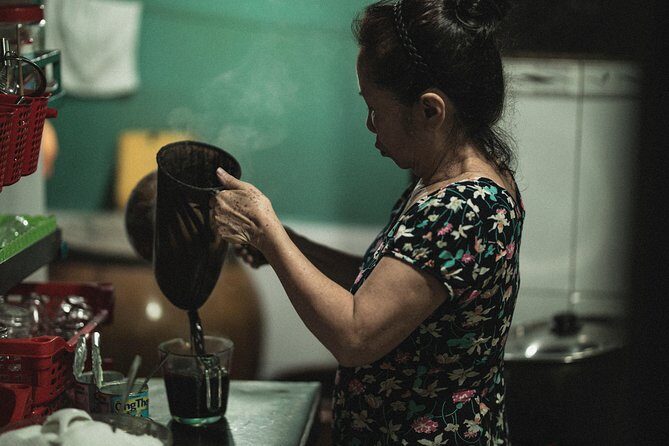
Next comes tea. The tour frames tea as one of the two powerful drinks in the world, and in a way, that’s the point of this stop: switching from coffee intensity to tea aroma makes your palate reset.
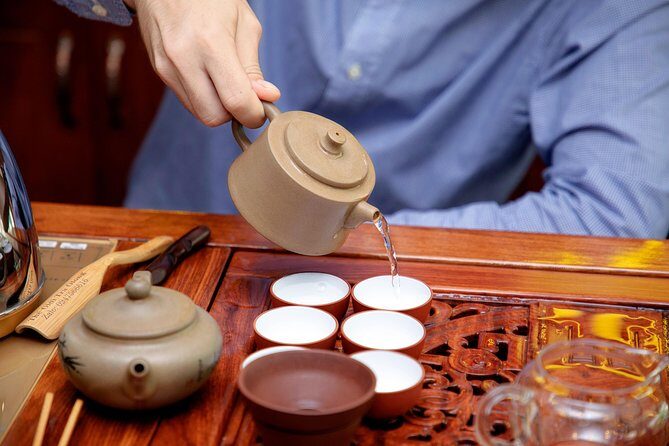
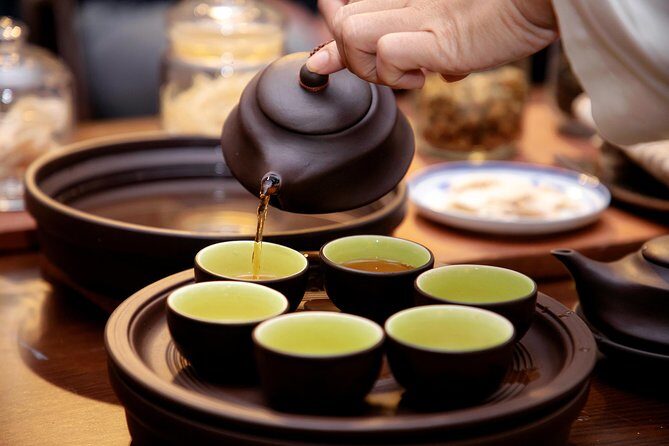
You gather, take a few sips, and focus on aroma and taste—simple, but not shallow. Tea tasting in Vietnam often rewards attention. Even if you don’t know every tea term, you’ll start picking up differences in smell and aftertaste. That can be a surprisingly good skill-building exercise, because it trains you to notice what you normally ignore.
The experience also includes hands-on learning related to Vietnamese tea and coffee preparation, but the provided details only hint at the exact step. So here’s the practical advice: ask questions while you’re there. If you’re curious how tea is prepared versus how coffee is brewed, this is the moment to get clear answers.
Why this stop is valuable for you: coffee days can blur together. Tea is a palate reset and a mental reset. It also keeps the tour from turning into only caffeine and sweetness. You end this segment with a slower rhythm, and it sets you up nicely for lunch.
Vegetarian sharing lunch: where the tour becomes social
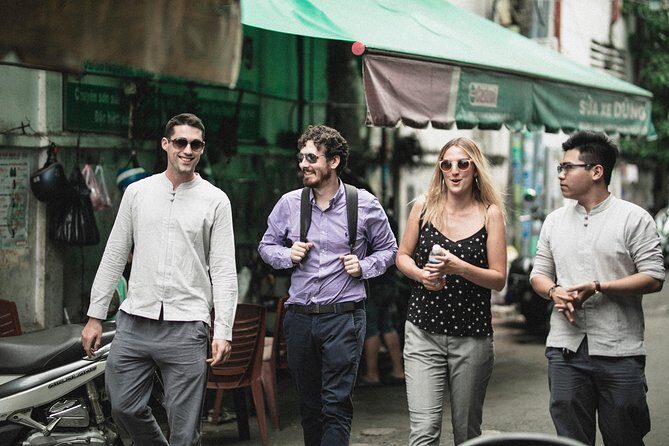
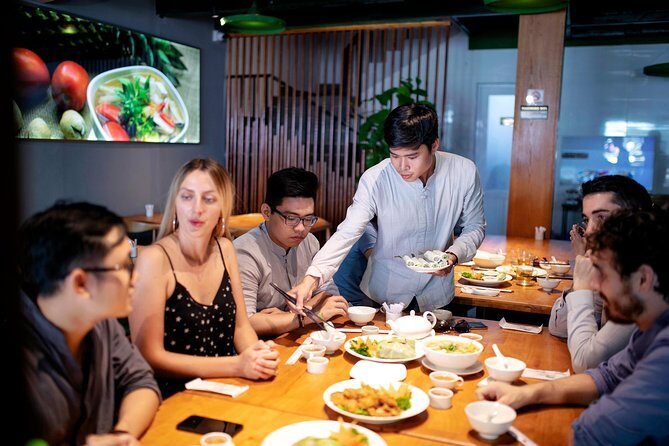
By the final part, you sit down for a meal for sharing—flavorful Vietnamese vegetarian dishes, eaten together.
This matters more than people expect. Tastings are solo-friendly. Lunch is where you process what you tasted. When you share food, you naturally talk about what worked for you: the coffee strengths, the tea aroma, the parts you liked or didn’t.
The tour description is explicit about vegetarian dishes. That’s a real benefit if you want an easy meal option without hunting for a separate restaurant. It also fits the tour’s “local” tone—Vietnamese vegetarian food can be comforting, filling, and not like the generic concept of vegetarian meals elsewhere.
Still, a practical note: vegetarian doesn’t automatically mean mild. Some Vietnamese dishes can be spicy, herby, or intense. If you’re spice-sensitive, mention it to your guide or pay attention when food is served so you can choose what fits your comfort.


Transport, tickets, and what $97 buys you
At $97 for roughly 5 hours, the value is in the combination—not just the drinks. You get coffee and/or tea, private transportation, bottled water, lunch, and admissions where they apply (Cheo Leo Cafe is ticketed as part of the flow).
Here’s how I’d think about the cost: if you were doing this on your own, you’d still pay for coffee tastings, you’d likely want a guided intro to understand what you’re drinking, and you’d still have to manage getting around across multiple stops. Private transport reduces friction. Lunch reduces the “what do we eat now?” stress. That’s what you’re paying for.
The tour also mentions you’ll receive a surprise after the trip. It doesn’t spell out what it is, so don’t plan your day around guessing. But it’s a nice touch if you like small extras rather than big showpieces.
Who should book this coffee and tea experience?

This is a strong fit if you:
- want a gentle, culture-forward food experience in Ho Chi Minh City
- enjoy Vietnamese coffee and want to understand the phin filter method
- like tasting both coffee and tea rather than only one drink category
- prefer a private tour setup, so your group can move at a comfortable pace
- appreciate shared meals, where conversation is part of the experience
It may be less ideal if you:
- avoid caffeine or don’t drink either coffee or tea
- want a long, structured history lecture (this tour leans more into tasting and feeling than formal museum-style storytelling)
Smart tips so you taste more and stress less
A few practical moves will make this day smoother:
- Pace your sips: take one tasting, then follow with water before the next. Coffee and tea together can stack fast.
- Pay attention to aroma: the tea stop is built around smell as much as taste, so slow down for the first few seconds after sipping.
- Bring comfort for walking: the tour description emphasizes small alleys and shop atmospheres. Wear shoes you’re happy to spend a while in.
- Go in curious: if you want to know why Vietnamese coffee tastes the way it does, ask during the phin-making part. The hands-on step is your fastest path to understanding.
- If you care about the no-plastic theme, consider bringing a small reusable bottle even though bottled water is provided.
And yes, you’ll likely smell faintly of coffee afterward. In my book, that’s a small souvenir worth keeping.
Should you book it?
If your idea of a great Saigon afternoon is tasting real local drinks, learning the phin method, and sharing a vegetarian meal without turning it into a sprint, then yes—this one is worth booking. The consistent high rating and the tour’s focus on coffee culture understanding are exactly what you want from a drink-focused experience.
Book it especially if you want something more personal than a big group tasting. Private transportation, a clear stop sequence, and the hands-on brewing give you more than just samples. You leave with taste memory and a method you can try later.
FAQ
How long is the Tea & Coffee experience in Ho Chi Minh City?
It lasts about 5 hours.
What is the price for this tour?
The price is $97.
Is pickup offered?
Yes, pickup is offered.
Is this a private tour?
Yes. It’s a private tour/activity, so only your group participates.
Does the tour include making Vietnamese coffee with a phin filter?
Yes. You’ll brew Vietnamese coffee using a phin filter.
What drinks and tastings are included?
You’ll enjoy tea and coffee, including tasting Vietnamese coffee such as phin coffee and cà phê sữa đá, plus a tea tasting.
Is lunch included, and is it vegetarian?
Yes. Lunch is included and it’s described as flavorful Vietnamese vegetarian dishes served for sharing.
What if the weather is poor?
The experience requires good weather. If it’s canceled due to poor weather, you’ll be offered a different date or a full refund.
What are the cancellation rules?
You can cancel for free up to 24 hours in advance for a full refund. If you cancel less than 24 hours before the start time, the amount paid is not refunded.