REVIEW · HO CHI MINH CITY
Vietnamese Homestyle Cooking Class in Ho Chi Minh City
Book on Viator →Operated by Hoa’s Kitchen-Vietnamese Homestyle Cooking Class · Bookable on Viator
Cooking with Hoa feels like home cooking in HCMC. You start with a welcoming touch like ice-cold homemade lemongrass tea, then Hoa guides you step-by-step in English as you cook three traditional dishes from scratch. I like that the class feels like a real family kitchen lesson, not a production line.
I also love the focus on practical results: fresh ingredients, no MSG, and a menu designed so you can actually recreate what you learn later. One possible drawback is logistics: there’s no pickup, and everyone works through the same menu together in one home setup, so it moves at the group pace.
In This Review
- Quick hits before you book
- A Homestyle Kitchen in District 6: Why This Class Feels Personal
- Price and What You’re Actually Buying for $38.63
- Meeting Point Reality: No Pickup, So Plan Your Arrival
- Optional Binh Tay Market Add-On: A Strong Pre-Game for Food Lovers
- Entering Hoa’s Kitchen: What the Welcome Sets Up
- The Cooking Lesson: Start From Scratch and Follow Real Timing
- The Shared Setup: Cooking the Same Menu Together
- The Ingredients Approach: Fresh, No MSG, and Learnable Flavors
- After You Cook: Eating Together Is Part of the Lesson
- Who This Class Is Best For (and Who Might Want Another Option)
- Should You Book Hoa’s Kitchen in Ho Chi Minh City?
- FAQ
- What’s the duration of the Vietnamese homestyle cooking class?
- How much does it cost per person?
- Is pickup service included?
- Where does the class meet?
- What do we cook during the class?
- Is coffee or tea included?
- Is there an option to visit Binh Tay Market?
- How large is the group?
- What’s the cancellation policy if plans change?
Quick hits before you book
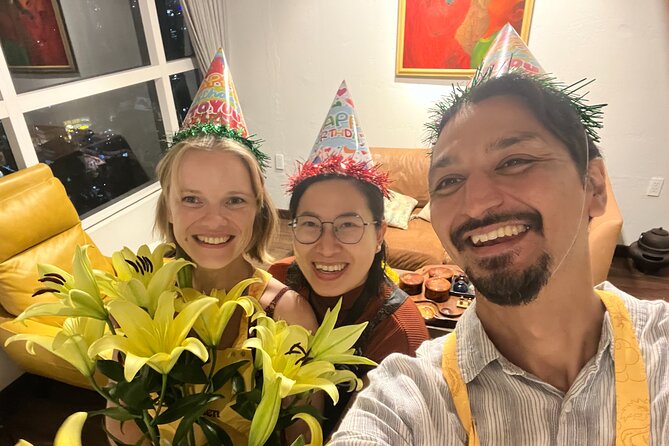
- Warm welcome at a real home-kitchen setup, not a separate cooking studio vibe
- Hoa’s step-by-step teaching, from scratch, with tips to get better results
- Three traditional Vietnamese dishes cooked during the 3-hour session
- Fresh ingredients and no MSG, with an easy-to-follow goal for at-home cooking
- Optional Binh Tay Market add-on for ingredient browsing (extra fee if you request it)
- Small group (max 6), so you get attention while you cook
A Homestyle Kitchen in District 6: Why This Class Feels Personal
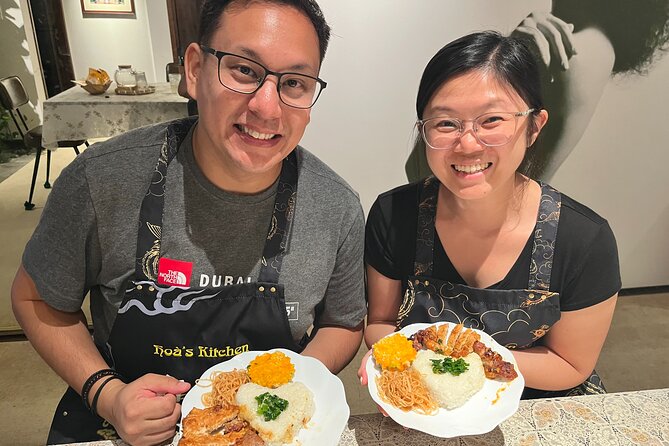
This is a Vietnamese homestyle cooking class in Ho Chi Minh City that leans hard into atmosphere. The goal isn’t just teaching techniques. It’s making you feel like you’re being welcomed into a Vietnamese friend’s kitchen, with the same care and warmth you’d get if you dropped in for a family meal.
The session is built around how families cook: you get guidance while you work, and you learn the flow of Vietnamese cooking rather than isolated, single-task stations. That matters, because Vietnamese home cooking is often about timing, tasting, and adjusting as you go.
You’ll also get a language advantage. The class includes an English guide, so you’re not left guessing which step is coming next. And the vibe is friendly and patient, the kind of lesson where it’s okay to ask questions and slow down.
You can also read our reviews of more tours and experiences in Ho Chi Minh City.


Price and What You’re Actually Buying for $38.63
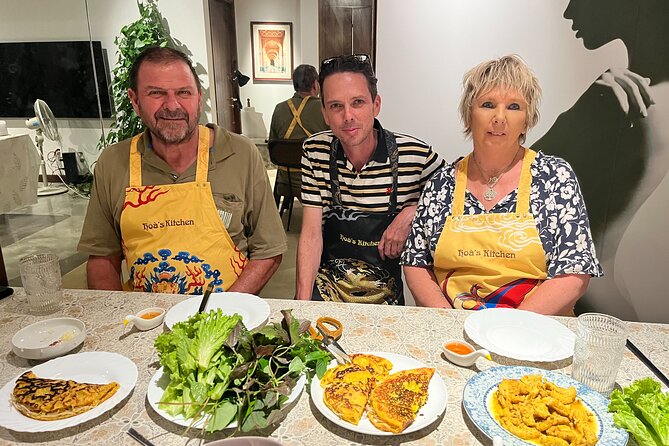
At $38.63 per person for about 3 hours, you’re not just paying for a meal. You’re paying for guided cooking, ingredients, and structured learning you can repeat at home.
Here’s what makes the value work:
- Three dishes from scratch: that’s a lot more skill-per-dollar than classes that do tiny portions or one recipe.
- No MSG plus fresh daily ingredients: that’s both a health choice and a flavor choice.
- Designed to be easy to remake: if a class teaches techniques you can’t reproduce, it’s mostly entertainment. Here, the plan is practicality.
- Small group size (up to 6): you’re more likely to get real help when something doesn’t go right.
If you’re the type of traveler who wants a souvenir that isn’t a magnet, this is one of the better deals in the city. You leave with taste memory, process knowledge, and a menu that should translate back to your own kitchen.
The one “price reality” to remember is that there may be an optional extra cost for the market visit. If you want that ingredient shopping experience, factor that in.
Meeting Point Reality: No Pickup, So Plan Your Arrival
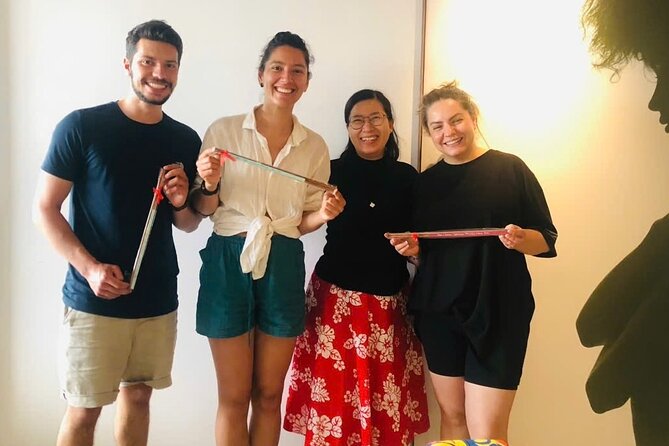
This class starts and ends back at the meeting point: Lucky Palace Wholesales Market and Luxury Apartment, 50 Đ. Phan Văn Khỏe, Phường 2, Quận 6, Thành phố Hồ Chí Minh, Vietnam. The good news is it’s near public transportation, so you’re not stuck in a far-out zone.
But there’s no pickup service. So you’ll want to arrive a bit early, calm and fed enough to focus. Cooking classes run smoother when you’re not rushing in the last minute with your stomach doing cartwheels.
Bring whatever you usually need for street travel—water, a light layer if the weather shifts, and a phone with enough battery for notes and photos. You’ll likely want to capture a few key steps for later.
Optional Binh Tay Market Add-On: A Strong Pre-Game for Food Lovers
Your itinerary can include Binh Tay Market as the first stop, but it’s offered as a request with an extra fee. If you love the idea of learning what ingredients look like before you cook them, this add-on can be a smart choice.
A market visit also helps you connect Vietnamese cooking to real sourcing:
- You understand how ingredients are commonly sold and prepped.
- You learn what to look for when you recreate dishes later.
- You get context for flavor building, not just recipe steps.
If you’re short on time or you’d rather skip extra stops, you can still enjoy the class itself since the core lesson is the cooking and meal. The market is bonus value, not the main point.
Entering Hoa’s Kitchen: What the Welcome Sets Up
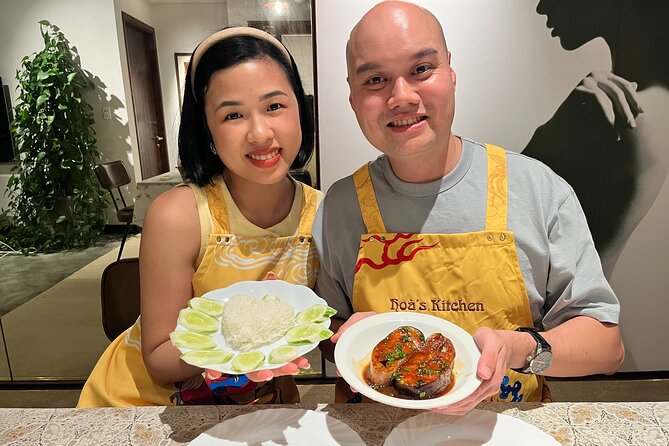
From the moment you arrive, this class aims to feel like a visit to someone’s home. That’s not just marketing fluff. You’re greeted with a warm, welcoming start—think ice-cold homemade lemongrass tea—and the tone becomes: relax, you’re here to learn, and you’ll do it together.
This matters for two reasons:
- Confidence: when you start relaxed, you cook better. You’re less afraid of messing up a step.
- Food rhythm: Vietnamese cooking depends on timing. If you’re rushed, you miss the cues that make the flavors work.
Hoa’s style is described as patient and detail-focused. You should expect clear guidance through each step, with practical tips rather than vague advice. And yes, the class is English-friendly, so you can ask questions without feeling lost.



The Cooking Lesson: Start From Scratch and Follow Real Timing
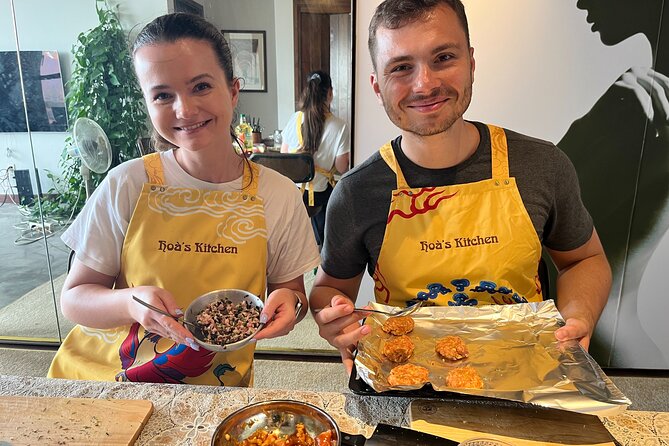
The main event is the hands-on cooking. You’ll prepare three traditional Vietnamese dishes from scratch, and Hoa will guide you step-by-step through the entire process.
What makes this effective is the way the lesson is structured:
- You get advice on how to prepare the dish correctly before you start
- You cook together as a group rather than bouncing around in solo stations
- Hoa shares tips aimed at getting the best results from your ingredients
Even if you’ve cooked at home before, Vietnamese cooking can throw you curveballs—texture, balance, and the way flavors build. The benefit here is that you’re not learning in theory. You’re learning while the food is actually happening in front of you.
Also, because the dishes are selected with at-home recreation in mind, you’re not left with a basket of techniques that only work in a professional kitchen. The class aims for dishes you can realistically repeat.
One more plus: coffee and/or tea are included. That’s a small comfort that keeps the mood steady while you transition between prep and cooking.
The Shared Setup: Cooking the Same Menu Together
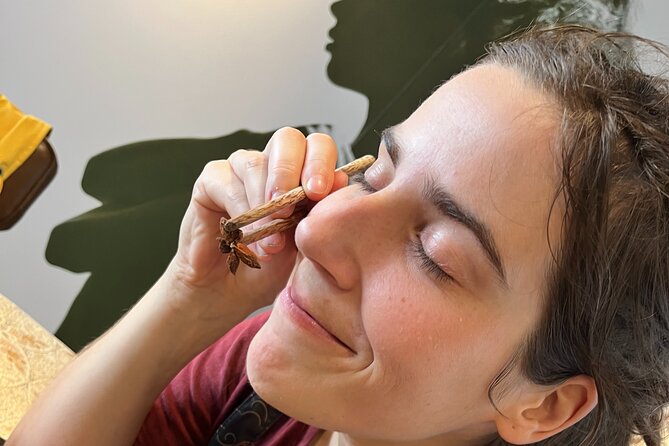
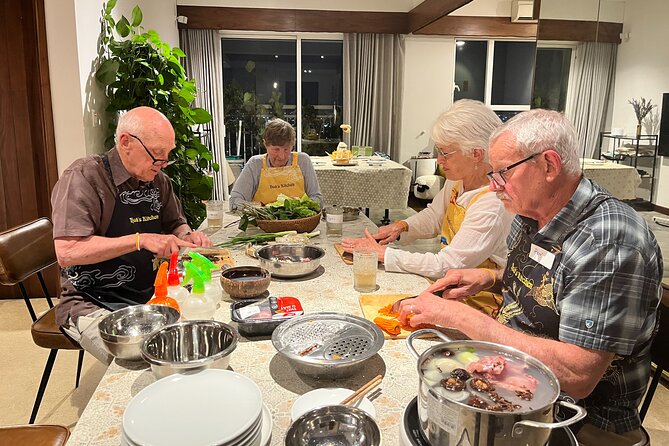
Here’s how the class works in practical terms: you cook the same menu with everyone in the home-style kitchen. There’s no separate station for each guest.
That’s great for group energy, but it changes the experience. Instead of each person going at their own pace with full control over their own tools, you’ll follow the group flow and share the cooking moment.
If you’re the type who loves independent cooking, you might need to adjust your expectations. But for most people, this shared setup is actually what makes it feel like a real family meal—everyone participates, and the guide can troubleshoot quickly.
It also means you’ll probably get more conversation than in a strict hands-off class. That’s where the learning sticks: small tips land better when you hear them while you’re actively cooking, not after everything is finished.
The Ingredients Approach: Fresh, No MSG, and Learnable Flavors
The class is designed around Vietnamese typical dishes that are described as authentic and healthy, with no MSG and daily fresh ingredients. That’s more than a dietary claim. It affects how the flavors come across.
In many Vietnamese dishes, depth isn’t supposed to come from shortcuts. It comes from ingredient quality and timing—things like balancing sweet, sour, salty, and aromatic notes as you build a dish.
Since the menu is chosen to be easy-made at home, you can also expect flavors that should make sense in a non-Vietnam kitchen. You’re not chasing a long list of rare items without guidance. The goal is to teach you how the dish works, so you can redo it later with the ingredients you can find.
After You Cook: Eating Together Is Part of the Lesson
Once you finish cooking, you sit down and enjoy the home-cooked Vietnamese meal together. That might sound obvious, but it’s a key part of learning.
Taste and technique are connected. When you eat what you made, you instantly learn:
- which flavors hit first
- what you might want to adjust next time (more acidity, more salt, a different texture)
- how the final dish should feel compared to how it started
And because the class emphasizes a warm, welcoming household atmosphere, the meal feels more like sharing than a performance.
Some participants also describe Hoa going above and beyond, including taking videos/photos and offering a small gift. Even if that’s not something you should treat as guaranteed, it points to a consistent theme: she cares about making the experience memorable, not just passing through the curriculum.
Who This Class Is Best For (and Who Might Want Another Option)
This is a strong fit if you want:
- a hands-on Vietnamese cooking experience in a real home-kitchen vibe
- an English-friendly lesson with clear step-by-step guidance
- a small group size so you can actually ask questions
- a menu designed for at-home reproduction
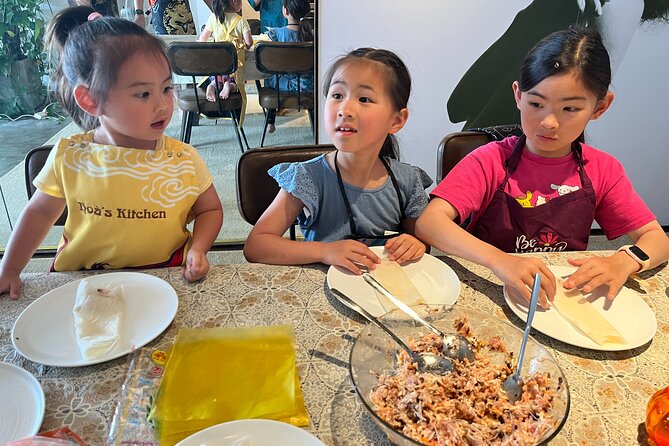
It’s also a good option for families. One participant described taking it with grandchildren aged 9 and 11, with the goal of making it fun and educational. If you’re traveling with kids who like to cook and pay attention, this kind of warm, structured class often lands well.
You might consider another class if:
- you need a pickup service from your hotel
- you hate shared workspaces and prefer fully separate stations
- you’re short on time and won’t be able to coordinate meeting at the address on time
Should You Book Hoa’s Kitchen in Ho Chi Minh City?
I’d book this if your goal is to learn Vietnamese home cooking you can repeat, not just collect Instagram plates. The value is strong: three dishes, fresh ingredient approach, no MSG, and a guide who teaches patiently and step-by-step in English.
If you like markets, request the Binh Tay Market add-on to build your ingredient understanding before you cook. If you’d rather keep things simple, you can still focus on the cooking lesson itself.
Just plan ahead for the biggest practical issue: get yourself to 50 Đ. Phan Văn Khỏe. No pickup means you control the timing. Do that, arrive ready to cook, and you’ll leave with both meal and skill.
FAQ
What’s the duration of the Vietnamese homestyle cooking class?
The class runs for about 3 hours.
How much does it cost per person?
It costs $38.63 per person.
Is pickup service included?
No. Pickup service is not offered. You meet at the listed start location.
Where does the class meet?
The meeting point is Lucky Palace Wholesales Market and Luxury Apartment, 50 Đ. Phan Văn Khỏe, Phường 2, Quận 6, Thành phố Hồ Chí Minh, Vietnam.
What do we cook during the class?
You cook three traditional Vietnamese dishes from scratch, with step-by-step guidance.
Is coffee or tea included?
Yes. Coffee and/or tea are included.
Is there an option to visit Binh Tay Market?
Yes, a market visit can be offered as a request with an extra fee. You need to contact the provider if you want the market tour.
How large is the group?
The class has a maximum of 6 travelers.
What’s the cancellation policy if plans change?
You can cancel for free up to 24 hours in advance for a full refund.