REVIEW · HO CHI MINH CITY
Vung Tau/Ho Chi Minh: Nui Dat, Long Tan, Long Phuoc tunnel
Book on GetYourGuide →Operated by Duy Amma · Bookable on GetYourGuide
War history has a way of sticking with you. This half-day route from Vung Tau (Ba Ria) strings together three places that tell different sides of the same 1966 story: a former base area at Nui Dat, a memorial at Long Tan, and the underground reality of Long Phuoc’s tunnel system. The day feels structured, not random.
I especially liked the respectful tone and the way guides keep the focus on what the sites meant to people on the ground. I also liked how often English-speaking guides, such as Tony and Joe, can connect the dots while staying clear and practical, even when the subject turns emotional.
The main downside is practical: you’ll be on your feet and moving around historical ground and tunnel areas, so you’ll want comfortable shoes and a mindset ready for a serious visit.
In This Review
- Key Takeaways Before You Go
- Why Nui Dat, Long Tan, and Long Phuoc Make Sense in One Morning
- Getting to the War Sites: Ba Ria Pickup and an English-First Day
- Nui Dat: From Base Layout to Named Positions and Old Bunkers
- Nui Dat Kindergarten: A Quiet Legacy Built for Local Children
- Long Tan Cross: Memorial Ground for 18 Soldiers in 1966
- Horse Shoe Fire Support Base: Seeing How Support Shaped the Fight
- Long Phuoc Tunnel Network: Underground Survival and Guided Viewing
- Price and Value: Is $75 a Fair Deal for a Half-Day?
- Who This Tour Suits Best (and Who Might Want Something Else)
- Tips to Make the Morning Easier and More Meaningful
- Should You Book This Nui Dat, Long Tan, and Long Phuoc Tour?
- FAQ
- What sites will I visit on this half-day tour?
- How much does the tour cost?
- Is a guide included, and what language do they speak?
- Are entrance fees and permits included?
- What should I bring?
- Is pickup/transfer included from the Ba Ria/Vung Tau area?
- FAQ
- Can I reserve without paying right away?
- What is the cancellation policy?
Key Takeaways Before You Go
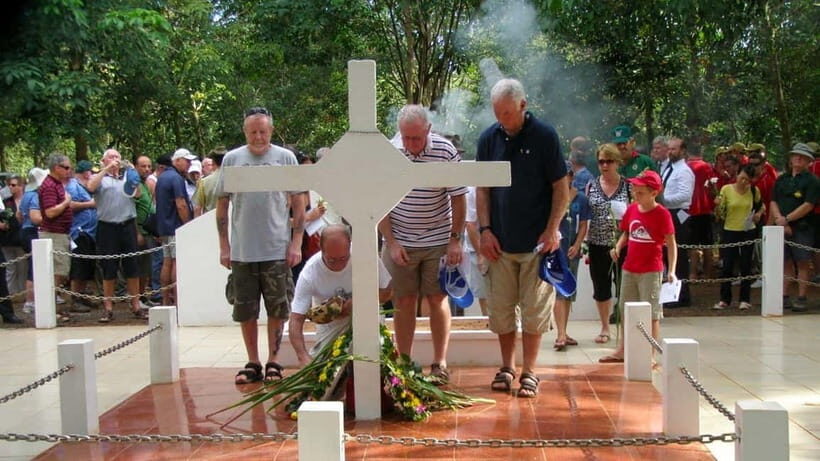
- Long Tan Cross memorial for 18 Australian soldiers who died in 1966, rebuilt by Australian veterans
- Nui Dat Kindergarten built by Australian veterans for local children in 2002
- Former Nui Dat base remnants including old bunkers, Kangaroo Pad, SAS Hill, Lusbcome airfield, and the battalion’s flagpole
- Horse Shoe fire support base (Horseshoe Hill), tied to how the fighting was supported during the Vietnam War
- Long Phuoc Tunnel network, a complex underground system you can explore via guided stops
Why Nui Dat, Long Tan, and Long Phuoc Make Sense in One Morning
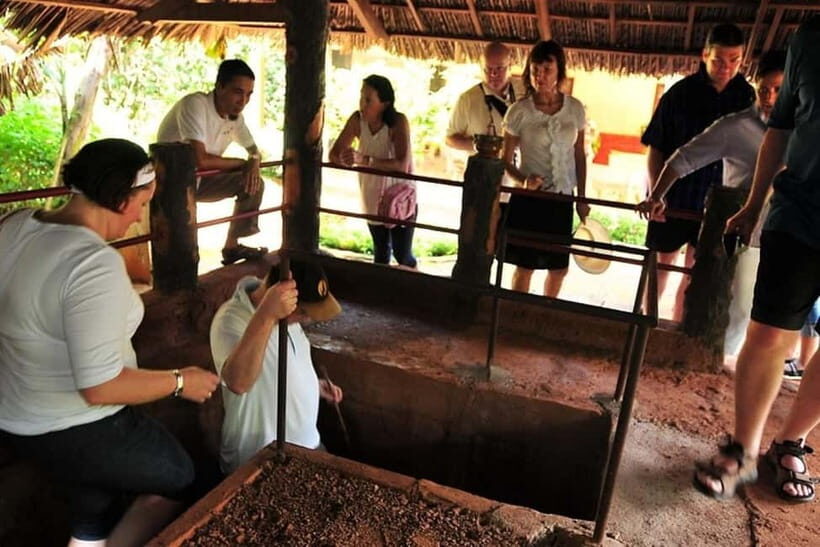
This tour works because it doesn’t treat the Vietnam War like one big, confusing label. You move from “where operations happened” to “what the battle meant,” then down into “how people survived underground.” That order helps your brain. It’s easier to understand what you’re seeing when you know why each site exists.
At Nui Dat, you’re looking at the skeleton of a base: bunkers, named positions, and the sort of layout soldiers relied on to function under pressure. Then Long Tan brings the story into sharp focus with a memorial tied to a specific event in 1966. After that, Long Phuoc’s tunnels explain a different survival logic—protection, movement, and persistence below ground.
If you’re the kind of person who likes facts but also wants the emotion handled carefully, this routing is a good match. It keeps you from turning war history into a checklist.
You can also read our reviews of more tours and experiences in Ho Chi Minh City.



Getting to the War Sites: Ba Ria Pickup and an English-First Day
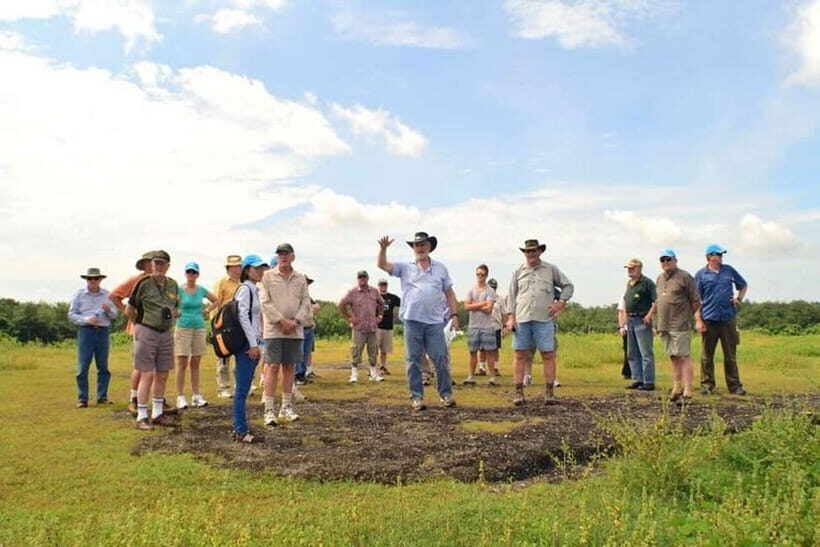
The tour includes transfer and is designed as a half-day outing from the Ba Ria / Vung Tau area. A local English speaking guide is part of the package, along with travel permits and entrance fees, so you’re not hunting for tickets or scrambling at the gates.
One practical comfort point: many groups ride in an air-conditioned car, and the day is paced for easy movement between stops. That matters because you’re going to a mix of open memorial grounds and more enclosed or uneven areas.
One thing I’d call out: pickup details can be easy to miss if you don’t confirm them. Before you leave, double-check where you meet and what to look for (especially if you’re coming from Ho Tram or a nearby area). A quick confirmation saves stress and keeps the morning smooth.
Nui Dat: From Base Layout to Named Positions and Old Bunkers
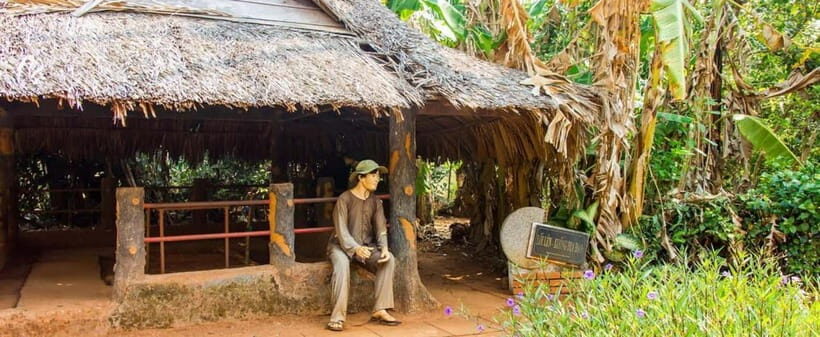
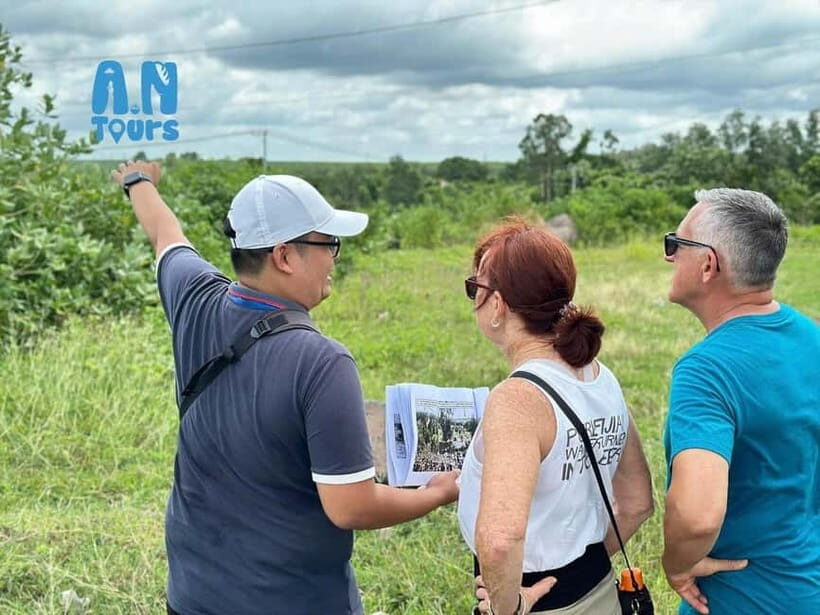
Nui Dat is where the day starts feeling real. You travel to the area known as Hoa Long village—also referred to as VC Home—then move through the Nui Dat base zone where Australian soldiers set up operations in 1966. Instead of sweeping battlefield views only, you get pointers to the kinds of places soldiers used every day.
What you’ll see here includes old bunkers and several named points tied to the base’s operation:
- the Kangaroo Pad
- SAS Hill
- Lusbcome airfield
- the battalion’s flagpole
You’ll also have a chance to understand how those points fit into movement, defense, and logistics.
Why this stop matters: bases are where planning becomes physical. When you stand near bunkers and named positions, the story stops being abstract. You can connect the geography to the way fights unfold. It’s also a strong place to learn context before you reach the Long Tan memorial.
Practical note: this section is typically the most “walk-and-look” part of the tour. Take your time. Even at a half-day pace, you’ll enjoy it more if you pause and let the guide explain how the terrain influenced decisions.
Nui Dat Kindergarten: A Quiet Legacy Built for Local Children
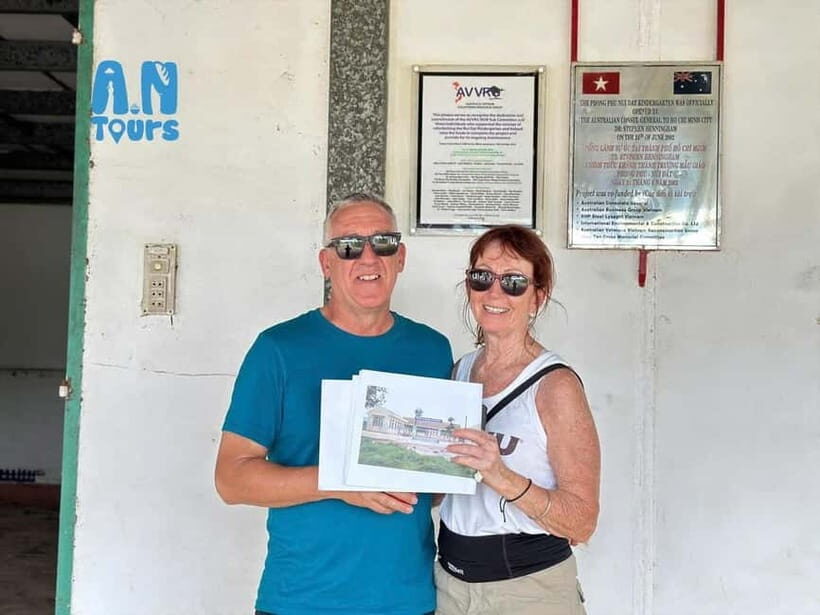
Then the mood shifts in a good way. You visit the Nui Dat Kindergarten, built by Australian veterans for local children. The specific detail that it was built in 2002 matters. It shows that the relationship between soldiers, civilians, and later generations didn’t end in 1966. People tried—slowly, imperfectly—to build something useful after the conflict.
This is one of the stops that makes the day more than war-tour sightseeing. You’re not only looking backward at military sites. You’re seeing a tangible example of a post-war effort aimed at normal life: education and care for kids.
This stop also helps you “reset” emotionally. The war sites can pile up fast. A kindergarten is the kind of place where your thoughts naturally soften. You still keep respect, but you’re also reminded that survival eventually gives way to rebuilding.
Long Tan Cross: Memorial Ground for 18 Soldiers in 1966
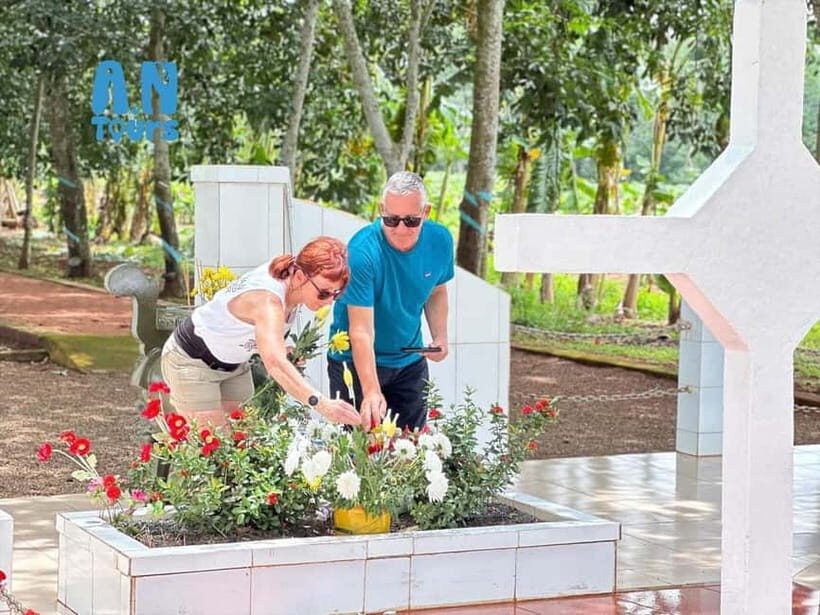
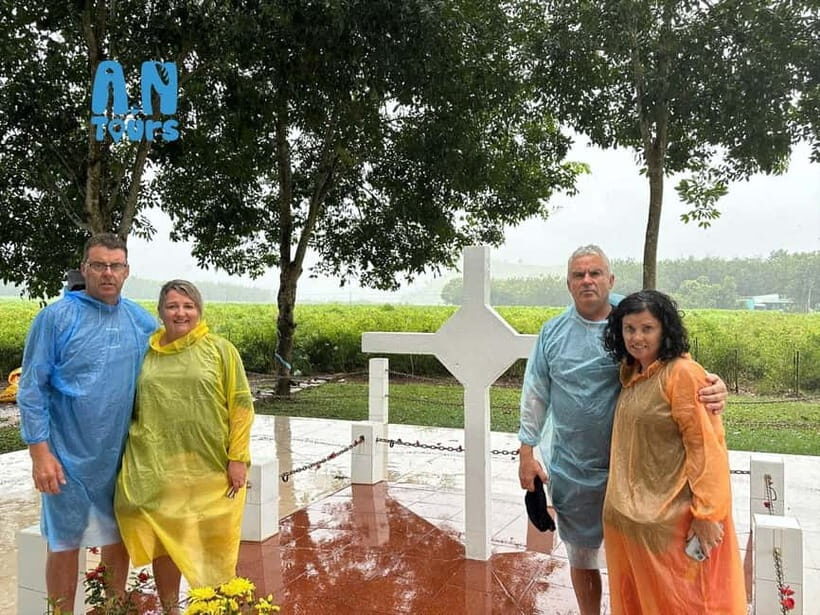
At Long Tan, the tour focuses on the Long Tan Cross, a memorial for 18 Australian soldiers who died in 1966. This cross was rebuilt by Australian veterans, which gives the site an extra layer: it’s not only remembrance, it’s continued care.
You’ll spend time at the memorial grounds, including a flower as part of the experience. That small detail changes the feel of the visit. It turns the stop into an action—something you do with intention—rather than a photo-and-keep-walking stop.
What I appreciate here is how the guide’s job becomes less about describing and more about framing. Long Tan isn’t just a location. It’s a marker of loss tied to a specific battle. When the guide explains the context carefully, the memorial stops feeling like a generic tourist attraction and starts feeling like what it is: a place to pay respect.
Tip: wear something comfortable and keep your pace slow. Even if you’re not usually emotional about memorials, the setting can catch you off guard—in a respectful way.



Horse Shoe Fire Support Base: Seeing How Support Shaped the Fight

Next comes the Horse Shoe Fire Support Base (often connected with Horseshoe Hill). This is a place where you get to understand the “support” side of combat, not only the headline battle.
A fire support base is about coordination—how forces protect troops, deliver fire support, and keep operations moving under threat. Here, you’re connecting what you saw earlier at Nui Dat (base infrastructure and positions) with a broader view of how the war was supported in practice.
Why this stop is worth your time: it helps you stop thinking of combat as one clash. The Vietnam War involved constant pressure, movement, and protection. Bases and support points were part of that everyday reality for soldiers.
This is also a good place to ask questions. A strong guide can explain how a location’s shape and vantage points affect what it can do. And if your guide happens to have a bit of humor—without disrespecting the topic—you’ll feel the day getting easier to follow.
Long Phuoc Tunnel Network: Underground Survival and Guided Viewing
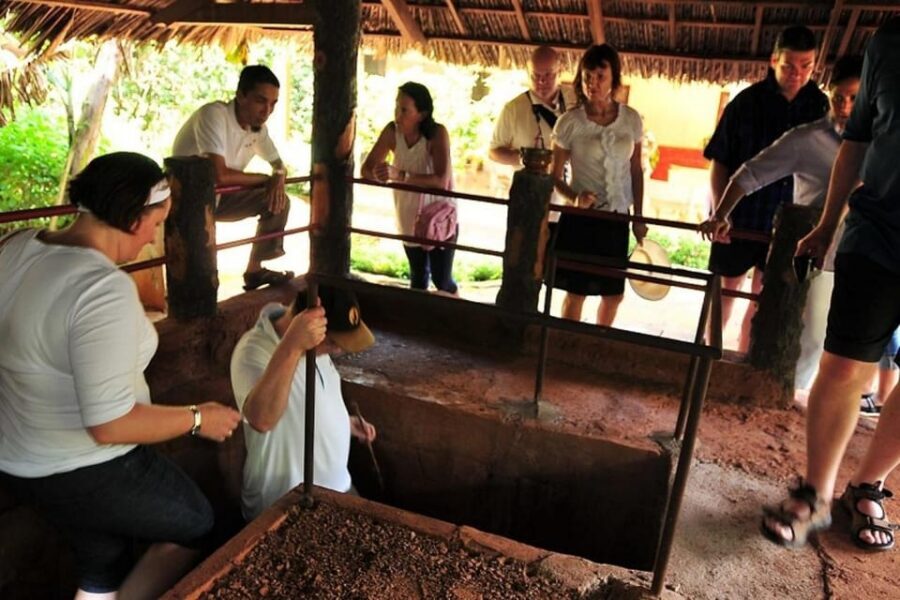
Then you go underground, at Long Phuoc Tunnel. This is described as a complex network of underground tunnels. In plain terms, it’s a reminder that for many people in this war, the ground wasn’t just dirt—it was shelter, movement, and protection.
You’ll explore the tunnel areas as guided stops, which helps because tunnels are easier to misunderstand on your own. A guide can point out what you’re looking at and how the space worked as part of survival.
The value of this stop isn’t only the mechanics. It’s the perspective. Seeing a tunnel network right after memorial and base locations makes the day feel more balanced. You get both the above-ground operations and the below-ground reality.
Practical thoughts for your body: tunnel areas can feel cooler and tighter, and surfaces can be uneven. Wear the comfortable shoes for a reason, and keep an eye on your step. If you’re claustrophobic, you might want to pace yourself and stick close to what the guide directs.
Price and Value: Is $75 a Fair Deal for a Half-Day?
The price is $75 per person for a half-day tour in this area. That number looks simple, but the value comes from what’s included.
You get:
- a local English speaking guide
- transfer
- travel permits + entrance fees
- flower for the memorial at Long Tan Cross
- drinking water
You also don’t get hit with a bunch of extra costs inside the stops, aside from personal expenses and any holiday surcharge if it applies.
For the time you’re buying, this is the kind of day that can be worth it if you care about context. Without a guide, you might see crosses, bunkers, and tunnels—but you’d lose the connections that make each place matter. With a guide like Tony, Joe, or Binh highlighted for clear communication and a respectful approach, the day becomes easier to digest.
That said, if you’re the type who prefers totally independent travel and you don’t want anyone guiding your interpretation, you may feel $75 is more than you need. This is still a guided, structured experience, and the value depends on enjoying that format.
Who This Tour Suits Best (and Who Might Want Something Else)
I think this tour suits you if:
- you want war-history context without needing a full-day schedule
- you appreciate a respectful pace at memorial sites
- you like seeing different “layers” of the story—base life, battle remembrance, and tunnel survival
It’s also a good fit for families or groups who want an English-speaking guide and a smooth transfer plan. One practical reassurance from similar experiences: the guides and drivers are often described as professional and kind, and people usually feel safe in the car during transfers.
Who might hesitate: if you want only light sightseeing or you’re not ready for an emotional subject, you’ll feel the weight of Long Tan. This isn’t a casual “photo tour.” It’s a remembrance-focused visit to real places.
Tips to Make the Morning Easier and More Meaningful
A few small choices can make the difference between a rushed half-day and a satisfying one.
Wear comfortable shoes. You’ll move around multiple sites, including bunker and tunnel areas. Think traction, not fashion. Also, bring a calm attitude. Even if you’re a facts-first person, memorial ground and war sites tend to slow you down naturally.
You’ll receive drinking water, so you don’t need to guess about hydration. Still, it’s smart to take sips during transitions and keep your energy steady.
Respect is part of the experience here. You’re going to memorials and historical locations tied to loss. Keep your voice low, follow guide cues, and avoid turning the day into a loud photo session. That’s how you get the most out of it.
Should You Book This Nui Dat, Long Tan, and Long Phuoc Tour?
Yes, you should book it if you want a short, focused, guided route through some of the most meaningful Vietnam War touchpoints near Vung Tau. The mix is strong: base remnants at Nui Dat, the Long Tan Cross memorial for 18 Australian soldiers, the Horse Shoe fire support base, and the Long Phuoc tunnel network. It’s one morning, but it covers multiple sides of the story.
I’d lean on the “book” button especially if you care about interpretation and respectful context. The strongest part of this experience is how guides handle the subject in a clear, caring way. If you prefer total independence, you can still visit sites on your own, but you’ll lose the connective tissue that helps the locations make sense.
FAQ
What sites will I visit on this half-day tour?
You’ll visit Nui Dat (including base area sites like old bunkers and named locations), the Nui Dat Kindergarten, the Long Tan Cross, the Horse Shoe Fire Support Base, and the Long Phuoc Tunnel.
How much does the tour cost?
The price is listed as $75 per person.
Is a guide included, and what language do they speak?
Yes. The tour includes a local English speaking guide.
Are entrance fees and permits included?
Yes. Travel permits + entrance fees are included.
What should I bring?
Bring comfortable shoes. Drinking water is included.
Is pickup/transfer included from the Ba Ria/Vung Tau area?
Yes. Transfer is included.
FAQ
Can I reserve without paying right away?
Yes. You can book your spot and pay nothing today.
What is the cancellation policy?
You can cancel up to 24 hours in advance for a full refund.