REVIEW · HO CHI MINH CITY
Cu Chi Tunnels Guided Tour – Explore Vietnam War History
Book on Viator →Operated by HAPPY PLUS TRAVEL · Bookable on Viator
Silent feet, loud history.
In Cu Chi, the Vietnam War moves from dates to daily choices. I like this tour’s free pickup from central Saigon and English-speaking guide, both of which make the day feel organized instead of rushed. I also like that you get the core Cu Chi sights in one smooth loop. The main catch: it’s a long 6 to 7 hours door-to-door with plenty of drive time, and the subject matter can feel heavy.
The ride out is handled in an AC car, and the experience keeps a comfortable, human pace with bottled water plus a light snack stop for tapioca and tea. On top of that, the tour runs as a private activity for your group, and the guide storytelling style (with names like Mr Le, James, and Jacky Hieu popping up in feedback) is part of why people remember the day.
In This Review
- Quick take before you go
- Cu Chi Tunnels: what you actually see underground
- Free pickup from Ben Thanh and an AC ride that makes it easier
- Documentary, living spaces, and the underground town feeling
- Trap doors, traps, and the mechanics of tunnel warfare
- Rice paper workshop, tapioca, and tea like guerrilla food
- Why guides like Mr Le, James, and Jacky Hieu make it click
- Price and duration: is $23 good value?
- Who should book this Cu Chi Tunnels guided tour
- Should you book with Happy Plus Travel?
- FAQ
- FAQ
- How long is the Cu Chi Tunnels guided tour?
- Where is the meeting point, and do you return there?
- Is hotel pickup included?
- What’s included in the ticket price?
- Is the tour private?
- Is free cancellation available?
Quick take before you go
- Free pickup and drop-off in central Saigon so you don’t waste time finding transport
- English-speaking guide who explains the tunnels and the war in clear, story-like ways
- Documentary plus underground rooms covering living areas, field hospitals, and command centers
- Trap-door and maze-like tunnel walkthrough that shows how survival worked under pressure
- Tapioca and tea + rice paper workshop stop for a food-and-culture break
- Admission ticket included in the $23 price, with bottled water and a light snack
Cu Chi Tunnels: what you actually see underground
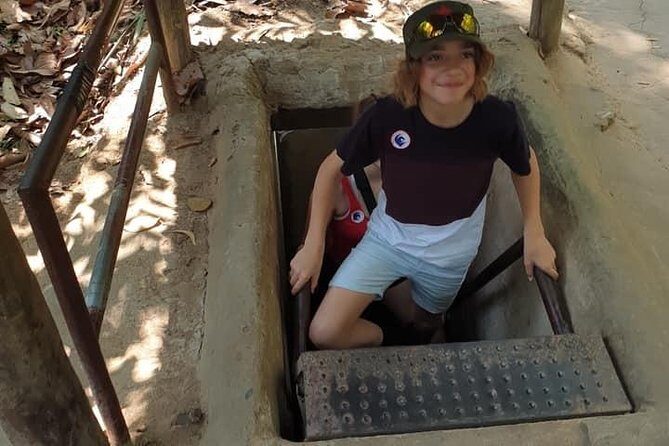
Cu Chi Tunnels is one of those places where “history” stops being a word and becomes real space. The tour is built to give you a full view of the tunnel system: after pickup and the drive (about 60 km, around 1 to 1.5 hours), you start with a documentary film, then you move into the underground world itself. The goal is not just to point at tunnels, but to show how people lived, worked, and fought from beneath the ground.
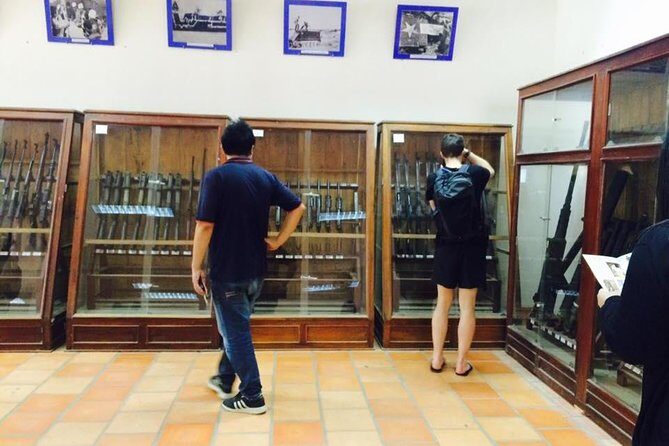
You’ll look at areas designed for daily survival, including spaces described as kitchens, bedrooms, storage, weapons factories, field hospitals, and command centers. Even if you don’t love war history, seeing how basic needs were handled underground helps you connect the tunnel system to human life, not only combat.
Then comes the maze-like part. You’ll learn about hidden trap doors, dangerous traps, and handmade weapons tied to how the tunnels were used. That’s the most intense section of the day: it’s hard to watch, because it’s built to be believable. If you’re sensitive to realistic depictions, go in with that in mind and take breaks when you need them.
One more practical note: the tour is timed for about 6 hours at Cu Chi, with the full trip running closer to 6 to 7 hours total. That structure keeps everything in one day, but it also means you’ll be moving steadily from stop to stop.
You can also read our reviews of more guided tours in Ho Chi Minh City


Free pickup from Ben Thanh and an AC ride that makes it easier
The logistics here are refreshingly simple. The activity starts around Ben Thanh Market (District 1), and the provider offers free pick-up and drop-off in the center of Saigon. That matters because Cu Chi is outside the city, so you’re not just choosing an attraction—you’re choosing how much hassle you want on a day trip.
This tour includes a good quality AC car, which is a bigger deal than people think in Ho Chi Minh City heat. After you’ve sat in traffic on the way out, you’ll appreciate having cold air and bottled water from the start. The tour also runs with a driver plus a helpful guide, so you’re not stuck translating or trying to figure out timing on the fly.
You can also plan your day around a simple rhythm: pickup, ride to Cu Chi, the tunnel program with a documentary and multiple stops, then return back to the meeting point. One detail that helps planning: the tour ends back at the start point, so you don’t have to arrange another ride home.
Finally, you’re not dealing with a huge crowd. The tour is listed as a private tour/activity, meaning only your group participates. That can mean better pacing for questions, and it often makes the guide’s explanations easier to follow.
Documentary, living spaces, and the underground town feeling
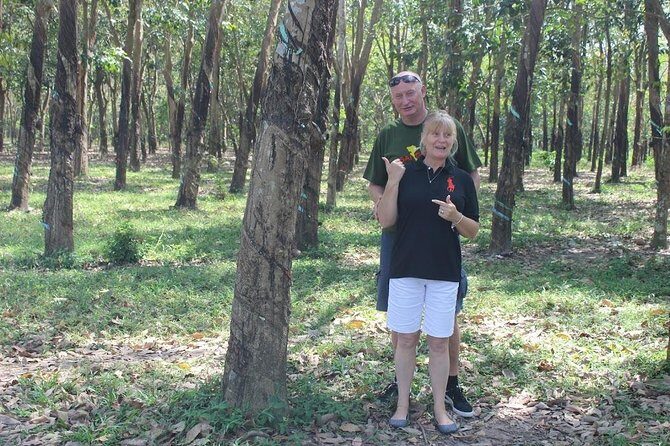
The tour’s flow starts with a documentary film when you arrive. It’s a smart opener because it gives you a framework before you step into the tunnel spaces. Instead of wandering, you get oriented: what the tunnels were for, how the system functioned, and why so many different rooms and roles existed under the ground.
Then you’ll move through the constructed living areas. The way it’s presented is practical: kitchens, bedrooms, storage, and the other support spaces show how survival was organized. The tour description also points to key wartime functions located underground, including field hospitals and command centers, plus weapons factories. That combination matters, because it shows how the tunnels weren’t only a hiding place. They were built as a working system.
If you want Vietnam War context that doesn’t feel like a lecture, this part is the most approachable. Seeing a space meant for sleeping or storing supplies makes the war less abstract. You start to understand the tunnel system as infrastructure—hard to build, hard to navigate, and designed for people who had to keep going.
One thing to keep in mind: the tour is built around “discovering” rooms and spaces, and it can include some time walking through an underground maze. Comfortable shoes help, and you’ll want to keep expectations realistic about what you can see in tight spaces.
Trap doors, traps, and the mechanics of tunnel warfare
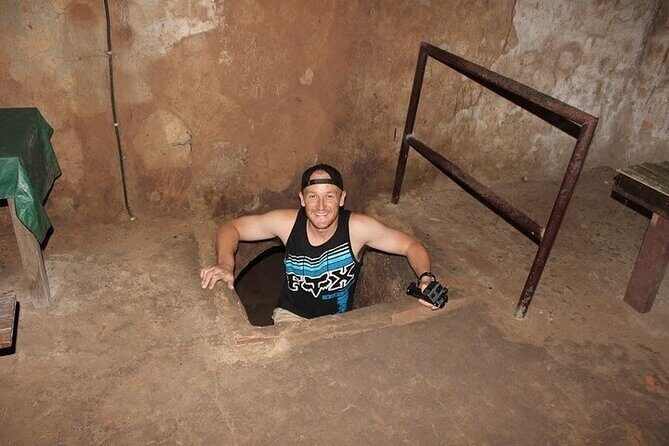
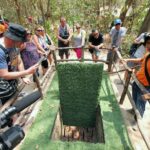
This is where the tour turns from educational to intense. After the living and support areas, you’ll learn about hidden trap doors and dangerous traps inside the maze-like tunnels. The idea is to understand not only that traps existed, but why they were built and how they changed movement and safety.
You’ll also be introduced to handmade weapons and trap mechanisms. The goal isn’t shock value; it’s explanation. Still, it’s inherently unsettling, because the tunnel system is presented as something built to hinder enemies in real conditions.
When the guide explains this section well, you get the logic: narrow routes, concealed access points, and the constant problem of detection. Even if you already know basic tunnel-tour facts, the trap-and-navigation explanation is usually the part you remember, because it gives a sense of the tension involved in every step.
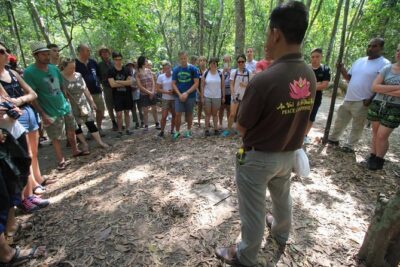
This is also where “guided” matters. A strong guide can translate the layout into clear stories, and the feedback for this tour repeatedly highlights friendly, warm, and funny teaching styles. Names that come up include Mr Le, James, and Jacky Hieu, and people mention that the guides answered questions during the drive and throughout the experience.
If you don’t want the darker parts to dominate the whole day, plan your mindset for balance: let the trap section be the centerpiece, then look forward to the food-and-culture stop that comes after.
Rice paper workshop, tapioca, and tea like guerrilla food
After the tunnel intensity, you get a breather that still connects to wartime life. Part of the program is a rice paper workshop, plus you’ll taste tea and tapioca, described as guerrilla food during the war. Even if you’re not a “food person,” this stop gives the day a different texture: you go from underground pressure to something you can taste and understand in a few minutes.
The snack is included as a light meal at the tunnel site, and that inclusion matters for value and comfort. With bottled water provided, you’re less likely to leave hungry or waste time buying snacks. It’s a small detail, but it improves the whole experience.
The rice paper workshop is a good add-on because it shifts from war to local craft. The tour uses it to show how everyday production and food preparation fit into the broader story of survival and ingenuity. You’re not just consuming a snack—you’re getting a short culture moment that helps the day feel more balanced.
If you have dietary restrictions, the tour data here only mentions tapioca and tea as the served snack, so you’ll want to plan accordingly.
You can also read our reviews of more historical tours in Ho Chi Minh City


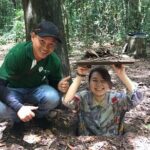


Why guides like Mr Le, James, and Jacky Hieu make it click

Cu Chi tours can vary wildly. The difference is often the guide: how they explain what you’re seeing and how they handle questions. This tour’s feedback highlights that the guide experience is a major strength.
Mr Le is described as warm and friendly, with explanations that even helped make the information feel fun and easier to follow. James is remembered as energetic, young, and full of knowledge about the tunnels and Vietnam overall. Jacky Hieu (sometimes written as Jacky H.) is described as entertaining and professional, with a strong focus on answering questions and keeping people engaged.
What I like about this pattern: the driving time isn’t wasted. You get explanation on the way to the tunnels, and that context makes the underground stops feel clearer instead of like separate facts. People also mention practical care—water bottles, and in some cases additional fruit and snacks—so the day feels handled rather than thrown together.
Because the tour is private for your group, your questions can come up naturally. If you’ve ever done a history tour where you can’t hear or can’t ask anything, this setup can feel more personal.
One more upside: when the guide style is lively (not dry), the tour doesn’t treat you like a classroom. It treats you like someone trying to understand a place, and that’s a big reason this tour holds a strong overall rating.
Price and duration: is $23 good value?

At $23 per person, the tour sits in the budget-friendly zone for a structured half-day Cu Chi experience—especially because admission is included. Some cheaper tours leave you to pay entry on arrival, deal with unclear inclusions, or skip key stops. Here, you get a more complete package: guide, AC transport, entrance fee, bottled water, and a light snack of tapioca and tea.
Duration is listed as 6 hours at the tunnels, with the overall trip typically 6 to 7 hours. That time is realistic for a day where you travel out of the city, watch a documentary, tour multiple underground areas, and add on workshop + snack. If your main goal is maximum value per hour, this is a good fit because it covers the big pieces without dragging into a full-day grind.
Possible consideration: the tour includes an optional Cu Chi shooting range bullet fee. Since it’s optional, you can stay focused on the tunnels only. But if you’re the type who hates surprises, be aware that extra activities might tempt you once you’re there.
Also note: there’s mention of surcharge for other languages (optional). If you’re choosing English, it’s already built in as a core part of the experience.
In short, $23 feels fair for the included entry + transport + guide + snack, especially if you want a guided explanation rather than a self-guided visit.
Who should book this Cu Chi Tunnels guided tour
Book this tour if you want Vietnam War history that’s organized and understandable, not just a list of tunnel points. It’s a good choice for:
- First-timers to Cu Chi who want context before stepping underground
- Families or mixed-age groups that benefit from a friendly guide style
- Solo travelers who want a private group setup and active Q&A
- People who care about comfort details like an AC car and water during the day
It might not be ideal if you:
- Want a fully self-paced visit where you linger everywhere
- Hate emotionally heavy content and prefer lighter sightseeing first
- Are very short on time and can’t spare 6 to 7 hours door-to-door
Also, because the tour includes underground spaces with traps and narrow routes, wear comfortable shoes and plan for some walking.
Should you book with Happy Plus Travel?
If you’re weighing Cu Chi options, I’d give this one serious consideration—mainly because it’s structured, includes entry, and keeps comfort in mind with AC transport and water. The big win is the human factor: guides like Mr Le, James, and Jacky Hieu are repeatedly tied to clear explanations and a friendly, warm delivery, which is exactly what you want in a place that can otherwise feel like a maze of facts.
If your priorities are an easy start from central Saigon, a guided walk through the tunnel system, and a break with tapioca and tea, this tour matches that well for the price.
FAQ
FAQ
How long is the Cu Chi Tunnels guided tour?
The tour is listed as about 6 hours at Cu Chi Tunnels, with the full experience running roughly 6 to 7 hours including pickup and the drive.
Where is the meeting point, and do you return there?
The tour starts at Ben Thanh Market in District 1. It ends back at the meeting point.
Is hotel pickup included?
Free pick-up and drop-off are offered in the center of Saigon.
What’s included in the ticket price?
The price includes an English-speaking tour guide, bottled water, entrance fee to Cu Chi Tunnels, admission ticket, and a light snack with tapioca and tea. It also includes a good quality AC car.
Is the tour private?
Yes. It’s listed as a private tour/activity, and only your group will participate.
Is free cancellation available?
Yes. You can cancel up to 24 hours in advance for a full refund. If you cancel less than 24 hours before the start time, the amount paid is not refunded.