REVIEW · HO CHI MINH CITY
Saigon City and Chinatown Exploration with Water Bus Adventure
Book on Viator →Operated by SST TRAVEL · Bookable on Viator
Saigon moves fast, and this day tour keeps up. You start in Cho Lon, the Chinatown area, sampling the sights around Thien Hau Pagoda and Binh Tay Market. Then you shift gears to serious history at the War Remnants Museum, before heading to reunification-era and French-colonial icons, and finishing with a short Saigon River water-bus ride.
What I like most is how the route mixes places you’d do on different days into one smooth flow. The small group limit (up to 14) helps, and the guides in recent feedback include Daniel, Lenny, Larry, Mr. Mountain, Travis, and Mr. Lau, with praise for practical local tips, patient guidance, and photo help. I also like that lunch is included and is Vietnamese-style, so you’re not hunting for food while you’re already on the move.
One thing to consider: it’s an 8 to 9 hour day that starts at 8:30 am, so it can feel full. You’ll be doing a lot of walking at multiple stops, and on special occasions there can be extra charges; in one specific period (Jan 23–28, 2020) Binh Tay Market was not included.
In This Review
- Key Moments Worth Marking on Your Map
- A Full Day of Saigon Layers, Ending with a River View
- Price and Value: Why This $45 Day Works
- Cho Lon Morning at Thien Hau Pagoda and Binh Tay Market
- War Remnants Museum: Honest, Weighty, and Still Organized
- Reunification Palace and the End of April 1975 Story
- French-Colonial Icons: Notre Dame Cathedral and the Old Central Post Office
- Bach Dang Port and the Saigon River Water Bus Ride
- How the Day Flows: Timing, Lunch, Transport, and Group Size
- Guides Who Make It Easier: Practical Tips and Photo Help
- Who This Tour Fits Best (and Who Might Skip It)
- Should You Book This Saigon Highlights and Chinatown Day with Water Bus?
- FAQ
- What time does the tour start?
- How long does the experience last?
- Where is the meeting point in Ho Chi Minh City?
- Does the tour include pickup and transportation?
- What is included in the price?
- Does the tour include the water bus ride on the Saigon River?
- What is the group size limit?
Key Moments Worth Marking on Your Map
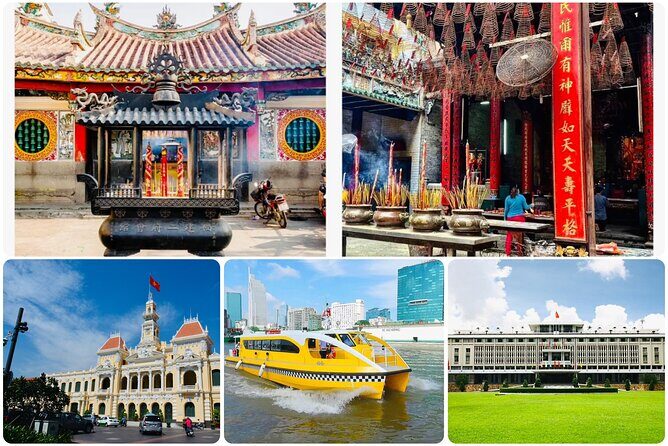
- Cho Lon morning stops at Thien Hau Pagoda and Chinatown streets around Binh Tay Market
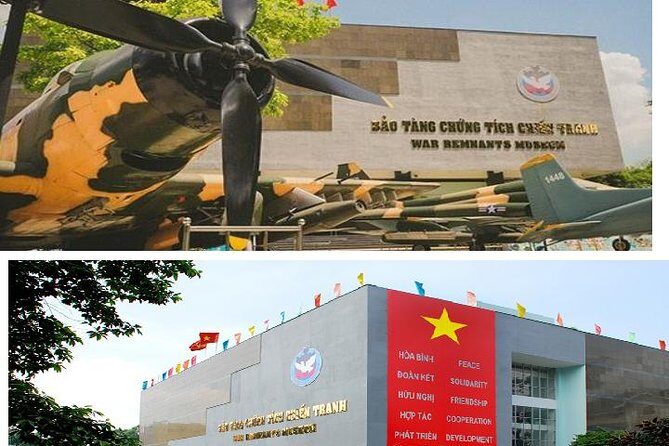
- War Remnants Museum with exhibits focused on war crimes and their consequences
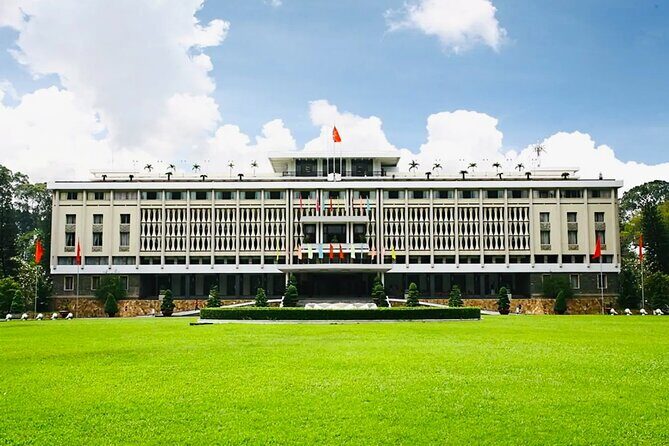
- Reunification Palace as the residence tied to South Vietnam’s presidency until April 1975
- French-colonial photo walk including the Notre Dame Cathedral area and the Old Central Post Office
- Water bus at Bach Dang Port for a short scenic ride from District 1 to District 2, with views like Thu Thiem Bridge and Sai Gon Bridge
A Full Day of Saigon Layers, Ending with a River View
This tour is built for momentum. Morning energy comes from Cho Lon, where you’ll be surrounded by dense, lived-in streets and temple life rather than a museum-only day. Then the rhythm slows (in a tough way) at the War Remnants Museum, where the focus is on war crimes and what those events left behind.
After that, you swing back to big, recognizable landmarks. Reunification Palace gives you the connection between politics and space—what leaders lived and worked in at the end of the war. From there, the French-colonial structures help you understand why parts of Saigon still feel like a story from another era, even when the city looks nothing like it used to.
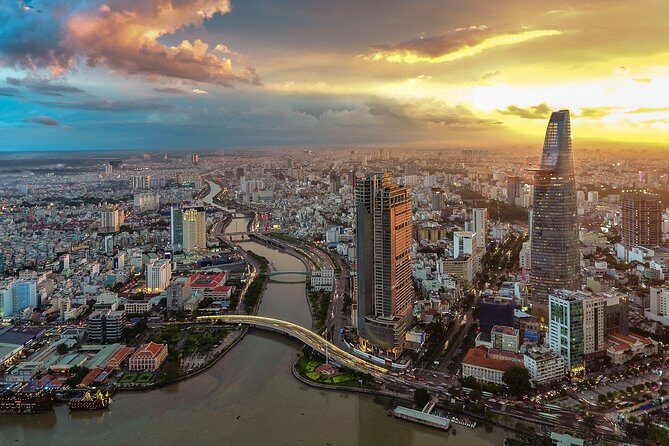
The finish is smart: you end with a water-bus ride on the Saigon River. It’s only about 15 minutes, but it changes your angle. Bridges like Thu Thiem Bridge and Sai Gon Bridge show up in ways that don’t feel like another stop on foot.
You can also read our reviews of more city tours in Ho Chi Minh City



Price and Value: Why This $45 Day Works
At $45 per person for an 8 to 9 hour outing, the value is mainly in the built-in services. You’re getting pickup offered, transportation in an air-conditioned vehicle, an English-speaking guide, and key admission fees. That matters in Ho Chi Minh City, where coordinating multiple locations on your own can mean lots of back-and-forth.
Also included are practical essentials: bottled water, a Vietnamese-style lunch, and the water-bus ticket. When those are packaged together, you’re not constantly adding small costs that make a day feel more expensive than it first looked.
The tour caps at 14 travelers. That’s not a guarantee of private access, but it usually means you can hear your guide, ask questions, and keep the pace without getting lost in a crowd of 30+.
Is $45 cheap? It’s not a bargain-meals kind of price, and it’s not trying to be. It’s priced like a structured day with transportation and guiding—exactly what you want for a city where traffic and distances can drain time.
Cho Lon Morning at Thien Hau Pagoda and Binh Tay Market
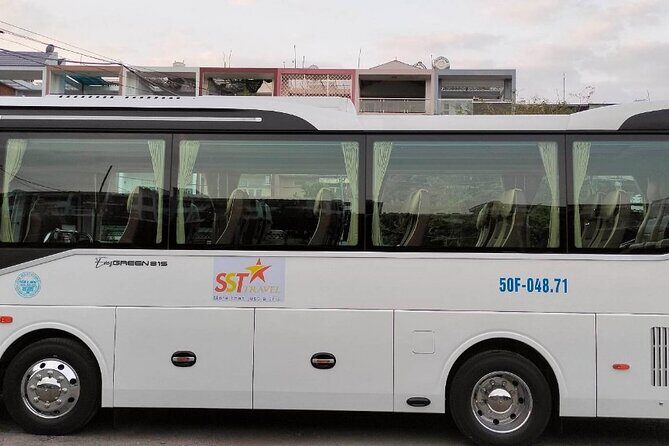
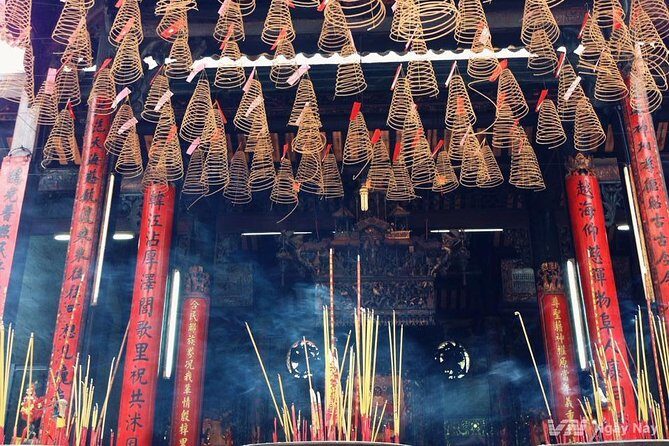
Your morning anchors in Cho Lon, also called Chinatown. This is where Saigon’s cultural mix shows up as everyday life, not just postcard scenery. You’ll start at Thien Hau Pagoda, a spiritual destination that sets the tone—quiet focus, incense, and temple details that feel separate from the surrounding street noise.
From there, the day turns into movement. You’ll explore Chinatown with an emphasis on the Binh Tay Market area. This is a place that works best when you don’t rush. Look at how people navigate the stalls, notice what gets sold, and watch the flow of shoppers. Your guide’s job is to help translate what you’re seeing so you’re not just walking through a crowd.
One practical point: markets can be hot and crowded. The tour includes water, but bring your own small coping habits too—light layers, sun protection, and comfortable shoes. If you’re the type who likes to linger for photos and conversations, you’ll probably be happy the tour is guided rather than self-paced.
War Remnants Museum: Honest, Weighty, and Still Organized
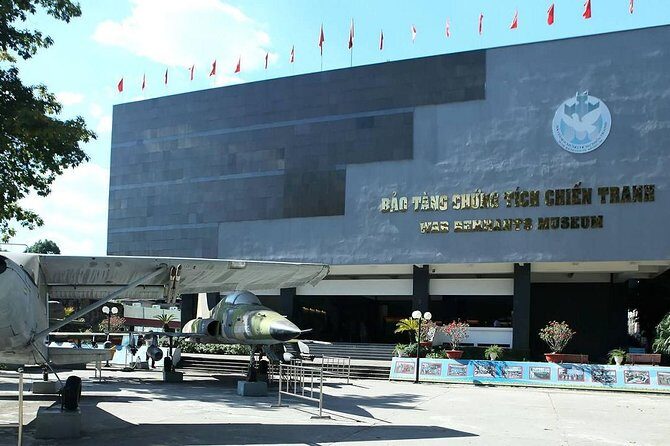
Then you head to one of the most important stops in Ho Chi Minh City: the War Remnants Museum. The description you’ll see for the exhibits is specific: it systematically studies, collects, conserves, and displays items related to war crimes and consequences inflicted.
This museum isn’t a quick walk-through. Even if your time stays scheduled, you’ll likely want a few moments here and there to read, step back, and take in the overall story being presented. A guide helps because the museum experience can otherwise feel like a wall of information. With an English-speaking guide, you’re more likely to connect the dots instead of just scanning displays.
A balanced mindset helps. This is not a stop built for light mood. But it’s also not just “depressing facts.” It’s a structured way to understand how war affects people, families, and long-term memory—exactly what makes it more than another indoor attraction.
If you’re sensitive to graphic content, plan your pacing. You can move slower for the sections that feel manageable and skim the ones that don’t. Just keep an eye on your meeting time so the rest of the itinerary doesn’t get pressured.
Reunification Palace and the End of April 1975 Story
After lunch, you get into Reunification Palace. The key idea here is the palace’s role: it was the residence of the President of South Vietnam until the end of the war in April 1975.
What makes this stop valuable is the way the building holds meaning. It’s not just a pretty interior or a famous courtyard. It’s space that ties directly to decision-making and final chapters of conflict—so you can feel the shift from daily life and governance to a world changing around it.
On a practical level, this is also a “good break” from walking streets. You’ll still tour with purpose, but the pace often feels calmer than markets. If your morning was hectic, this stop can reset your brain while keeping the day grounded.


French-Colonial Icons: Notre Dame Cathedral and the Old Central Post Office
Saigon’s French-colonial presence is visible in big, recognizable structures, and this tour builds in time to see two of the most famous.
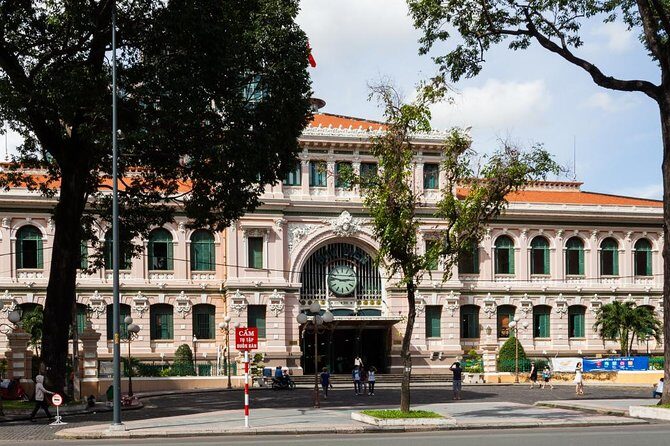
You’ll visit the Notre Dame Cathedral area and the Old Central Post Office. The post office is described as a beautifully preserved remnant of French colonial times and often considered one of the grandest in all of Southeast Asia—so it’s a place where architecture fans and casual sightseers can both get something.
What I like about adding these two stops near each other is how they help you compare styles. One is more about visual mass and skyline presence; the other is about interiors, layout, and the feeling of a working public building. If you enjoy photo stops, this is where you’ll get your best classic shots without needing to fight for “perfect lighting” like you would with some outdoor-only sights.
If the post office is open when you arrive, you might also enjoy watching how people use it now—because old buildings in Saigon still feel alive.
Bach Dang Port and the Saigon River Water Bus Ride
This is the fun part that prevents the day from becoming all heavy topics. You arrive at Bach Dang Port, then take a water bus ride on the Saigon River for about 15 minutes.
The route runs from District 1 to District 2, and the point isn’t long travel. It’s the change in perspective. You’ll see the city’s riverfront architecture and bridges like Thu Thiem Bridge and Sai Gon Bridge from a different angle than you would from a sidewalk.
Even on a short ride, the water does two things:
- It gives your feet a break.
- It gives your eyes a new frame for “what city life looks like.”
In a city where traffic can swallow time, a water route is also a relief valve. It’s not just sightseeing—it’s a smarter way to experience the city’s shape.
How the Day Flows: Timing, Lunch, Transport, and Group Size
The tour starts at 8:30 am and runs about 8 to 9 hours. The earlier start helps you hit the busy Chinatown morning before it fully swells, and it also keeps the museums and landmark segments from compressing too late in the afternoon.
The structure is also sensible: Chinatown and pagoda in the morning, a major history museum mid-day, then palace and French landmarks, then the river ride at the end. It means you’re not bouncing randomly between far-flung areas.
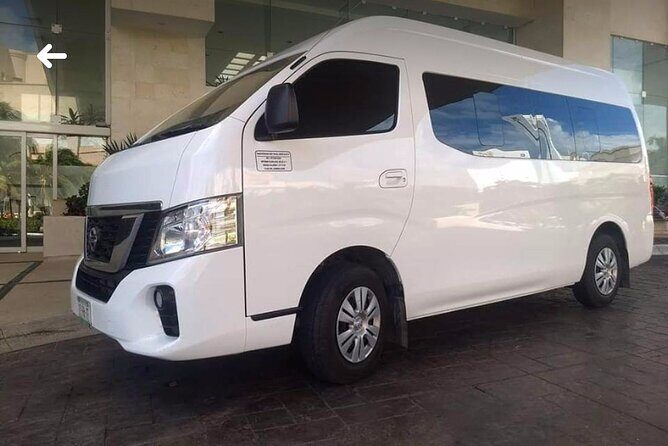
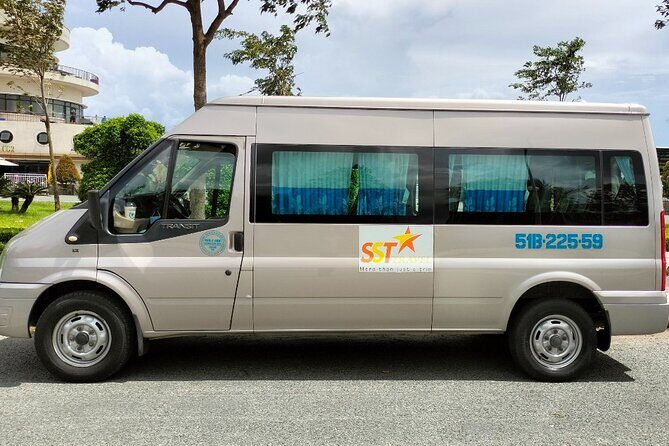
The transportation detail matters. You’re in an air-conditioned vehicle for the driving parts, and the meeting point is in District 1 around Đường Bùi Viện (Phạm Ngũ Lão, Quận 1). The tour description says it’s near public transportation, which is helpful if you plan to adjust your route on your own before or after.
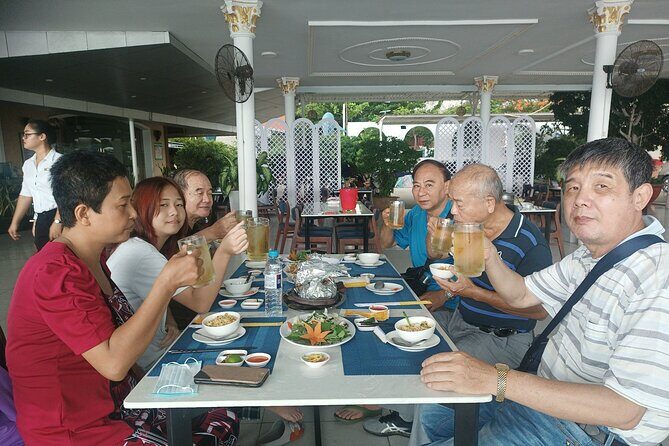
Lunch is Vietnamese-style and included. The feedback on food is strongly positive—people specifically called out excellent meals and an excellent lunch. Just remember that “included” doesn’t mean you’ll get to customize. If you have strict dietary needs, you’ll want to be ready to ask your guide before ordering.
Group size is capped at 14 travelers. In practice, that usually means fewer delays than big-bus tours. In the reviews, guides were described as patient, responsible for safety, and helpful with photo-taking—traits that tend to matter more in smaller groups.
One more note: the day can include changes on special occasions (extra surcharges) and, in one specific past date range (Jan 23–28, 2020), Binh Tay Market wasn’t in the program. So if you’re traveling on a holiday, it’s worth asking ahead what’s included that day.
Guides Who Make It Easier: Practical Tips and Photo Help
A major reason this tour scores highly is the guidance style. In feedback, multiple guides are praised for being friendly, attentive, and good at giving local tips—especially tips on what to eat and drink, and where else to go.
Names you’ll see attached to that praise include Daniel (helpful local advice), Khanh (reaching out to confirm details smoothly), Lenny (guiding a group through all stops), Larry or Durong (responsibility and safety, plus patience with itinerary changes), Mr. Mountain (helpfulness throughout), Travis (friendly, strong at taking pictures, and explaining how the city is changing), and Mr. Lau (knowledgeable across the history-focused sites).
You can’t choose the guide from the information provided here, but the pattern is clear: this company appears to staff guides who can connect the dots, not just read facts off a sign.
If you want the day to feel simpler—less asking where to go next, fewer ticket and admission headaches—this tour’s guide-led structure is doing the heavy lifting for you.
Who This Tour Fits Best (and Who Might Skip It)
You should strongly consider this tour if you:
- Want a first-timer day that covers Chinatown, major history, palace history, French landmarks, and a river ride
- Prefer a guided plan to reduce navigation stress in traffic-heavy districts
- Like photo stops but also want context, especially around the War Remnants Museum and Reunification Palace
- Want included lunch and water, instead of piecing a full day together yourself
You might want to skip or modify if you:
- Hate packed schedules and prefer slow mornings
- Are very sensitive to heavy war-related museum content and need more control over pacing
- Want total freedom to roam, because this is a route with multiple scheduled stops
Should You Book This Saigon Highlights and Chinatown Day with Water Bus?
Yes, I’d book it if your goal is a high-value, structured day that shows the city in layers without demanding that you plan each leg. The price makes sense because transportation, admissions, lunch, bottled water, and the water-bus ticket are already included, and the group size stays small.
I’d especially recommend it if you’re mixing travel styles—someone who enjoys street scenes like Cho Lon in the morning, but also wants the big historical and architectural anchors that make Ho Chi Minh City feel legible fast. The water bus ending is a genuinely smart way to finish: it gives your body a break and your eyes a new perspective.
If you’re only in Saigon for a short time, this is exactly the kind of day you’ll feel good about later. You’ll leave with images from markets and cathedrals, facts you can actually explain, and a river view that doesn’t belong to the same tired “walk, wait, repeat” formula.
FAQ
What time does the tour start?
The tour starts at 8:30 am.
How long does the experience last?
It runs about 8 to 9 hours.
Where is the meeting point in Ho Chi Minh City?
The meeting point is on Đường Bùi Viện (Phạm Ngũ Lão, Quận 1).
Does the tour include pickup and transportation?
Pickup is offered, and you’ll travel by air-conditioned vehicle.
What is included in the price?
The tour includes bottled water, a Vietnamese-style lunch, entrance fees, a professional English-speaking guide, air-conditioned vehicle transport, and the water-bus ticket.
Does the tour include the water bus ride on the Saigon River?
Yes. You’ll take a water bus from Bach Dang Port for about 15 minutes, traveling from District 1 to District 2 and seeing views including Thu Thiem Bridge and Sai Gon Bridge.
What is the group size limit?
The tour has a maximum of 14 travelers.