REVIEW · CAN THO
Explore Trasu Cajuput Forest
Book on Viator →Operated by Mekong Realism · Bookable on Viator
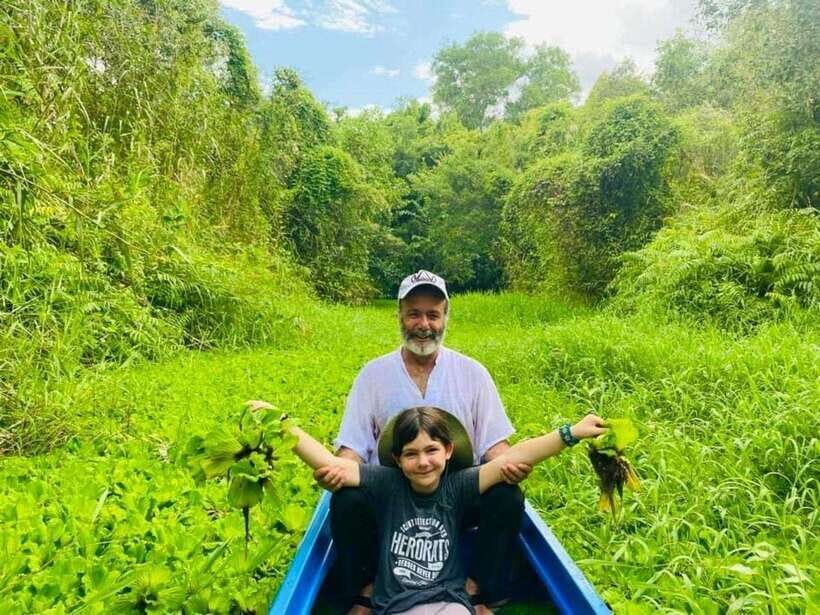
Quiet water and birds start your day. This trip into Tra Su Cajuput Forest is built around slow, low-effort boat travel through narrow canals, with lotuses, water lilies, and duckweed making the whole place look like it was designed for stillness. I particularly like how your guide brings the area to life with stories about local history, culture, and everyday economics, not just a list of what’s growing where. One small consideration: it’s a long day, with pickup at 7:30 am and a return around 7 pm, so plan your energy for a full stretch.
My second favorite part is the mix of hands-on walking and big views. You’ll cross Vietnam’s longest bamboo bridge, then climb a 14-meter watchtower for a wide panorama where the forest water and cajuput trees read like a patchwork. The downside for some people: you’ll be on your feet for the bridge and tower, so wear shoes you trust on wooden surfaces.
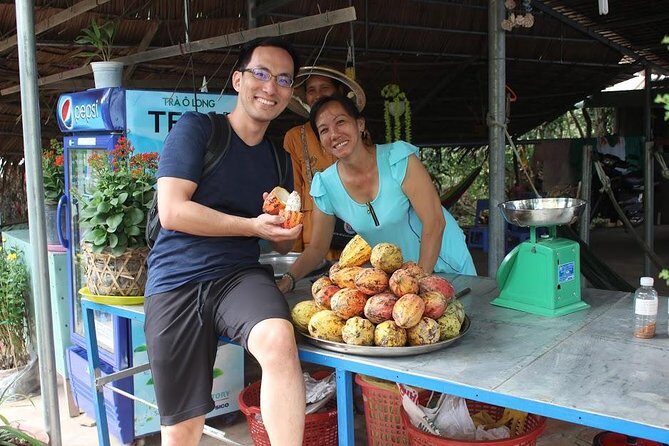
I also like that the group stays small (max 10), and the experience includes real comfort extras: a local boat, guide time, bottled water, plus drinks, local fruits, and local food. If you get a guide like Nga, you’ll likely leave with more than photos—you’ll leave with a sense of place and what the forest means to the people around it.
In This Review
- Key highlights you’ll actually feel
- The day at Tra Su: slow canals, real nature, and a story-led guide
- Pickup to arrival: making sense of the long Can Tho drive
- Tra Su Bird Sanctuary: the motorboat part that makes the trip click
- Vietnam’s longest bamboo bridge: walking through the forest’s breathing space
- The 14-meter watchtower: short climb, big payoff
- Food, drinks, and included comfort that make value real
- Timing and flow: why you’ll feel the day is planned, not chaotic
- Who should book Explore Tra Su Cajuput Forest
- Quick call: should you book it?
- FAQ
- What is the duration of Explore Trasu Cajuput Forest?
- What time does the tour start and where do I meet?
- How much does the tour cost?
- What’s included in the price?
- Is a ticket provided, and is it mobile?
- What can I expect to do during the day?
- When does the tour end?
- What happens if weather is poor?
Key highlights you’ll actually feel
- Motorboat through narrow canals where lotuses and water lilies set a calm pace
- Bird watching that’s not staged, including sightings of white storks and colorful kingfishers
- Vietnam’s longest bamboo bridge, a satisfying walk with great photo angles
- 14-meter watchtower views, a quick climb for a big payoff
- Included meals and drinks, so you’re not scrambling for food between activities
- Small-group feel (max 10), which keeps the day from feeling rushed
The day at Tra Su: slow canals, real nature, and a story-led guide
This is the kind of trip that works because it doesn’t try to cram everything into a sprint. Instead, you spend major chunks of time gliding through water channels, then pause to look closely at birds and plant life. The result is a day that feels calmer than a typical “tour bus + quick stops” format.
Your morning starts early in Can Tho, with pickup at Vincom Plaza Xuân Khánh around 7:30 am. You’ll travel toward the forest area, and during that ride you’ll see endless rice paddies, which helps you understand what you’re stepping into later. The guide uses that in-between time to connect the scenery to local life—how people farm, how wetlands support livelihoods, and why this “hallowed ground” matters to local identity.
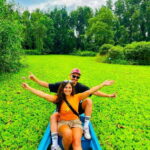
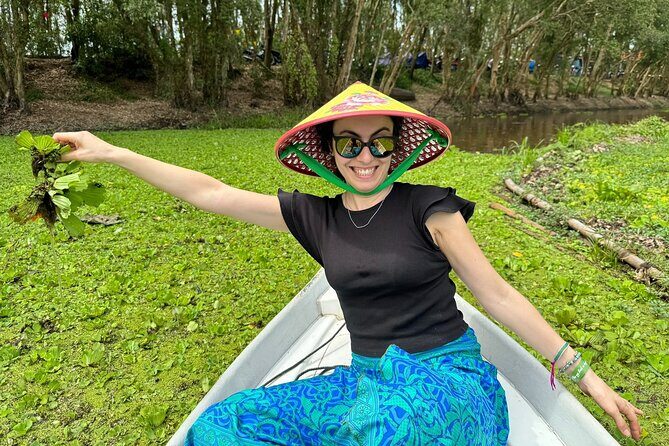
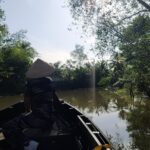
When you finally reach Tra Su Cajuput Forest, the focus sharpens. You’re not just looking at greenery—you’re moving through it. The motorboat glides along narrow canals where lotuses and water lilies sit on the water surface, and duckweed covers parts of the shallows. It’s a peaceful sensory change from paved streets: softer light, quieter motion, and that steady rhythm of looking and waiting for birds to appear.
You can also read our reviews of more tours and experiences in Can Tho.
Pickup to arrival: making sense of the long Can Tho drive
A full day can sound like a drawback, but it also sets expectations correctly. Starting at 7:30 am and returning around 7 pm means you’re basically choosing one big excursion instead of juggling several stops.
One practical benefit: the schedule gives you time to settle in. You don’t have to be at the forest the second the doors open; you arrive around late morning and then work through the main sights at a comfortable pace. And because the guide is talking during the earlier portion of the day, you feel like the journey has a purpose rather than just being time in a vehicle.
Also, keep your camera ready during the drive. Rice paddies stretch along the route, and those views set a visual baseline for the wetland ecosystem you’ll see later. It’s easy to underestimate how much the scenery “connects” until you’re back on the boat and the whole area starts to feel like one continuous world.
Tra Su Bird Sanctuary: the motorboat part that makes the trip click
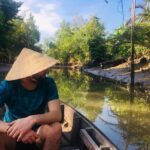
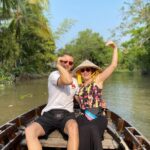
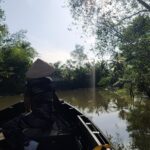
The core experience happens at Tra Su Bird Sanctuary, and it’s built around one simple activity: a local motorboat ride through the canals. This is where you get the slow glide that people gush about for a reason. The boat moves gently, and you get time to look at small details, like how birds perch and how plants cluster at the water’s edge.
As you pass through the channels, watch for birds moving between reed-like edges and open water. I like that the trip doesn’t only promise birds—it also gives you a habitat where birds have reasons to show up. White storks are specifically mentioned, and kingfishers are known for bright color, which shows up when they dart across the waterline or pause long enough for a clear look.
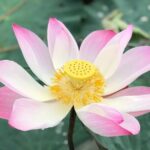
The water vegetation is part of the attraction too. You’ll see lotuses and water lilies rising from the water, plus duckweed that creates a soft, textured surface. That mix is what makes the canal sections look like paintings, but it’s real and changeable by the minute. If the light is good, you’ll get reflections. If the light is dull, you’ll still get movement and texture, and that’s often even better for bird spotting.
A note on pace: you’ll likely spend a big block of time here (over half the day’s experience content), so bring patience. This isn’t a “run to the next photo spot” style stop. You’re meant to sit, scan, and wait for the forest to respond.
Vietnam’s longest bamboo bridge: walking through the forest’s breathing space
After the boat ride, you shift from floating to walking—crossing Vietnam’s longest bamboo bridge. This is one of those experiences that feels physical in a good way. You’re still in the wetland ecosystem, but now you’re at the level where you can look down at the water and up into the canopy.
The bamboo bridge is also tied to the scent and atmosphere of the cajuput forest. You’re surrounded by cajuput trees and their fragrant presence, so the whole area feels more than visual. The air quality shift is noticeable when you step onto the bridge, even if you’re just walking a few minutes. It’s the kind of detail you don’t get from a quick viewpoint.
One practical drawback: bamboo bridges can feel slightly springy or uneven. If you’re sensitive about footing, take your time and hold steady. The goal is not speed. The goal is slow crossing while you look at birds and check the water below for movement.
If you want great photos, this is where you’ll do it. The bridge gives you a natural corridor line, which makes bird sightings and the layered forest-water scene look more dramatic. And if you’re the type who enjoys standing still to watch birds rather than chasing them, this section rewards that style.
The 14-meter watchtower: short climb, big payoff
Next comes the watchtower, described as 14 meters high. This is an easy choice to recommend because it’s straightforward: go up, look around, then come back down before you feel like you’re in a slow-motion workout.
From the tower, the whole forest structure makes more sense. On the ground, the wetland looks like narrow channels and plant clusters. From above, you understand how those channels connect and how the cajuput forest spreads across the area. It’s also a great moment for photography because you can capture patterns and spacing, not only individual birds.
One of the best parts from real-day experience is the encouragement to actually go up. Some people hesitate, thinking it’ll be crowded or not worth it, but the tower provides the biggest “big picture” view in the itinerary. If the steps feel steep, take it slow. Once you’re up, the view changes your perspective immediately.
Food, drinks, and included comfort that make value real
Let’s talk money for a second, because this one matters. The price is $110 per person, and what you get isn’t just narration and a boat ride.
Included in the experience are:
- A tour guide
- A bottle of water
- Drinks and local fruits
- Local foods
- A local boat
That package is what turns the day from “paying for sights” into “paying for a managed experience.” You’re not hunting down meals between activities, and you’re not adding extra ticket costs just to stay fed and hydrated.
The food itself can be a highlight. One guide-led meal described as sweet and sour fish with fish sauce and lots of fresh vegetables stuck in memory because it felt like local comfort, not a generic filler. If you like eating where you travel, this matters. The day becomes more complete when the food isn’t an afterthought.
Also, remember what isn’t included: alcohol and any expenses you might choose to spend during the program. So if you drink, budget for that separately. Otherwise, you can keep your day mostly “set and forget” from a spending standpoint.
Timing and flow: why you’ll feel the day is planned, not chaotic
The day has a clear rhythm. Pickup around 7:30 am, then you work your way to the forest around late morning. The main experience continues through the boat sections, bridge walk, and tower climb, and then you start heading back at around 3 pm. You should reach your hotel around 7 pm.
That flow is practical because it hits the best mix of bird movement, light, and time-on-site without demanding early-morning darkness hours. And since there’s a small group cap (max 10), you won’t feel like you’re trapped in a herd that stops and starts every two minutes.
If you’re deciding what kind of traveler you are, ask yourself one question: do you enjoy slow nature time with a guide telling stories, or do you prefer nonstop driving and constant city stops? This is the first type. If you love birds, quiet water, and walking through a forest that feels like it’s part of daily life for locals, you’ll probably enjoy this more than you expected.
Who should book Explore Tra Su Cajuput Forest
This works especially well for:
- Bird lovers and wildlife watchers who prefer waiting to chasing
- People who like wetland scenery more than big-ticket museum schedules
- Travelers who want included food and drinks so they can stay focused on the experience
It may be less ideal if:
- You dislike long full-day tours with early pickup
- You prefer fully level surfaces and avoid even mild foot movement on bridges
- You’re hoping for a city-style “quick highlights” day
If you’re visiting Can Tho and want one excursion that feels tied to a real ecosystem, this is a strong candidate.
Quick call: should you book it?
I think you should book this if you want a peaceful day that’s heavy on nature, light on stress, and supported by a guide who shares meaningful context. The best parts—the motorboat canals, the bird sightings, the bamboo bridge, and that 14-meter tower view—fit together like a simple plan that’s easy to enjoy.
Choose another option if you’re short on time, you hate full-day commitments, or you know you won’t enjoy standing and walking on bamboo surfaces. But if you’re open to slow water, bright birds, and a wetland that feels both serene and alive, Tra Su Cajuput Forest is a very solid use of a day in the Mekong region.
FAQ
What is the duration of Explore Trasu Cajuput Forest?
The tour runs about 12 hours.
What time does the tour start and where do I meet?
Pickup starts at 7:30 am at Vincom Plaza Xuân Khánh, 209 Đ. 30 Tháng 4, Xuân Khánh, Ninh Kiều, Cần Thơ, Vietnam.
How much does the tour cost?
It costs $110.00 per person.
What’s included in the price?
Included items are the tour guide, a bottle of water, drinks and local fruits, local foods, and a local boat.
Is a ticket provided, and is it mobile?
Yes, it uses a mobile ticket.
What can I expect to do during the day?
You’ll take a motorboat through narrow canals at Tra Su Bird Sanctuary, explore Vietnam’s longest bamboo bridge, and climb a 14-meter watchtower for panoramic views.
When does the tour end?
The return starts around 3 pm, and the activity ends back at the meeting point around 7 pm.
What happens if weather is poor?
The experience requires good weather. If it’s canceled due to poor weather, you’ll be offered a different date or a full refund.
If you want, tell me your travel dates and whether you’re more into birds, scenery, or local food, and I’ll help you decide if this is the best use of your time in Can Tho.