REVIEW · HO CHI MINH CITY
My Tho – Can Tho – Chau Doc 3 days private tour
Book on Viator →Operated by Mekong Tourist · Bookable on Viator
Three days, one unforgettable river system.
This private route through the Mekong Delta hits the big names like Cai Rang floating market and the quieter side streets too, with river boat rides, fruit gardens, and local crafts. I love how the trip mixes floating market energy with real village life, not just photo stops. I also like the Tra Su bird sanctuary boat time—small boats in narrow canals feel calm and oddly special. One thing to consider: you’ll pack in a lot of transfers and boat rides, so this works best when you’re okay with a full-on schedule.
If you’re sensitive to early starts, plan for it.
Pickup from Ho Chi Minh City is listed for 7:30–8:00, and you’ll be moving most of the day with breaks mainly around meals and sightseeing. Also, the homestay option in Can Tho is a rustic, riverside-style experience—fun, but it’s not the same comfort level as a hotel room. If you’re picky about beds or quiet, choose the hotel option in Can Tho.
In This Review
- Key moments that make this Mekong route worth it
- From Ho Chi Minh City to My Tho: Vinh Trang Pagoda and river views
- Ben Tre’s An Khanh canals: sampans, coconut candy, and folk music
- Day 1 overnight: hotel comfort or riverside homestay
- Can Tho by boat: Bassac River mornings and Cai Rang floating market
- Chau Doc and Tra Su Sanctuary: small boats through bird canals
- Day 3 on the floating village: fish farms, Cham weaving, and Mosque visits
- Price and what you really get for $667.95 per person
- Who this Mekong private tour suits best (and who should rethink)
- Tips to make it smoother day to day
- Should you book My Tho – Can Tho – Chau Doc for 3 days?
- FAQ
- Is this tour private?
- What time does the tour pick up in Ho Chi Minh City?
- Are meals included?
- Can I choose vegetarian meals?
- What should I wear?
- Do I need a passport?
- What’s the cancellation rule if I need to change plans?
- Are there any age requirements?
Key moments that make this Mekong route worth it
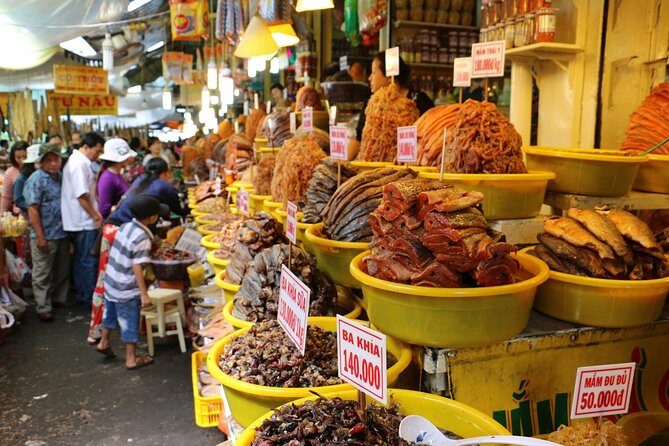
- Cai Rang floating market plus an optional stop at Phong Dien, so you see more than one style of river trading
- Vinh Trang Pagoda in My Tho, then a boat ride past stilt houses and fruit plantations
- Hand-rowed sampan canals in Ben Tre with seasonal fruit, honey tea, and southern folk music
- Monkey bridge (one bamboo stem construction) and a vermicelli soup-making stop for hands-on culture
- Tra Su bird sanctuary cruise in small boats through forest canals
- Cham minority weaving village and a local Islamic Mosque on Day 3
From Ho Chi Minh City to My Tho: Vinh Trang Pagoda and river views
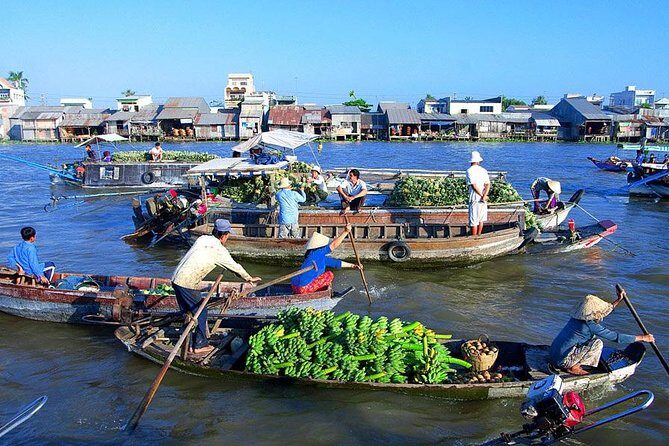
The day starts with a hotel pickup in Ho Chi Minh City around 7:30–8:00, then you head toward My Tho. Expect the scenery shift fast—rice fields and green patches roll by, and the pace slows in a way that makes you feel like you’re leaving the city behind.
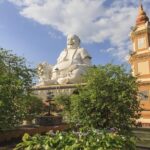
In My Tho, the tour includes Vinh Trang pagoda. It’s one of those stops that gives context for why people here still live close to spiritual routines. Even if you’re not a temple person, it helps you understand what “local culture” means here—prayer, daily life, and respect aren’t separate in a place like this.
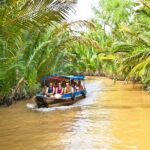
After that, you move onto the river. There’s a leisurely boat ride along the Mekong with views of stilt houses, fruit plantations, and fishing villages along the banks. This is a great moment for photos, but also for just watching how work and water shape each day. If you like seeing daily systems instead of only landmarks, you’ll enjoy it.
The tour also includes Tortoise islet, plus lunch in an orchard garden. This isn’t just a meal slot—it’s a chance to slow down under trees and eat while you can still feel the island atmosphere around you. It’s the kind of break that keeps the rest of the day from feeling rushed.
You can also read our reviews of more private tours in Ho Chi Minh City
Ben Tre’s An Khanh canals: sampans, coconut candy, and folk music
Ben Tre is where the trip turns from “big highlights” into “how life actually runs.” You visit An Khanh, described as less touristy, and that matters. Less crowded routes usually mean more time to look around and less time feeling like you’re herded from one photo to the next.
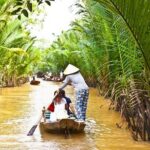
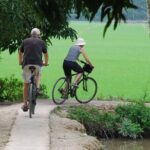
You’ll take a hand-rowed sampan through natural canals, under water coconut trees. The boat is smaller and quieter than the larger tourist boats, and it changes the whole feel. The movement is gentler, and the canals feel narrower—good for up-close views and calmer photos.
You also get seasonal fruit and honey tea, with southern Vietnamese folk music performed by locals. This is one of the most memorable “culture plus food” combos on the itinerary because it doesn’t treat music like background decoration. It’s tied to the setting and the people running it.
Next comes a family business that reflects that rural rhythm—fruit plantations and village life, plus a chance to taste coconut candy. I like stops like this because you’re not just buying a souvenir; you’re seeing how a product connects to everyday work.
Day 1 overnight: hotel comfort or riverside homestay
At the end of Day 1, you reach Can Tho for the night. You can choose:
- a 3-star hotel in Can Tho (simple comfort, easy reset), or
- a homestay in the Cai Rang riverside area with a cottage setting (more hands-on and local)
If you choose the homestay option, the tour includes cycling or trekking around the village, a self-cooked dinner with the local host, and an evening of traditional folk music with neighbors. That’s a meaningful choice if you want real interaction. If you just want to sleep well and recharge for Day 2 boats, the hotel option is a safer bet.
In the hotel option, you also get free time to visit the Can Tho market on your own in the evening.
Can Tho by boat: Bassac River mornings and Cai Rang floating market
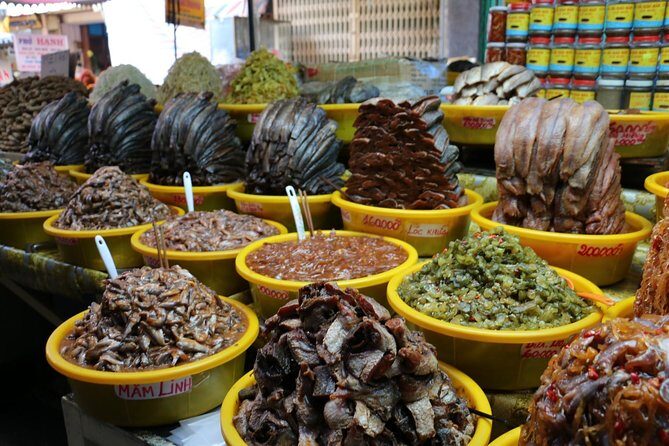
Day 2 is all about water—and the route uses boat time in a smart way. You start with a leisurely boat trip exploring tributaries of the Lower Mekong, specifically on the Bassac River. This feels like a warm-up to the floating markets because you’re building an understanding of where all the action happens.
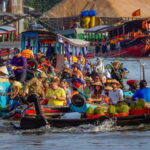
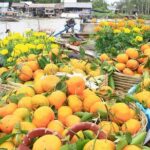
Then you hit Cai Rang floating market. The itinerary calls it the liveliest in the whole region, and what I like about it is that it’s not staged for tourists. Merchants sell, transport goods, and run logistics right from the boats. It’s busy, yes, but it’s the kind of busy that feels like real work.
The tour includes Phong Dien market as optional. If you have the energy, it’s a smart add because you see another market style instead of repeating the same scenes.
You also get a food and culture stop: Vietnamese vermicelli soup and the chance to see how it’s made. It’s a great “behind the bowl” moment. Food production is one of the easiest ways to understand daily life, because the ingredients and methods tell you what’s available and what people value.
A fun practical element comes next: you’ll wander a village and try crossing the Monkey bridge, built with one bamboo stem. It’s the kind of small challenge that turns into a laugh with your guide, and it forces you to slow down in the middle of the experience instead of just walking past things.
The itinerary also includes an orchard garden stop and lunch before you head to Chau Doc.
One extra note from real experiences: this style of route sometimes includes an early food-market moment around 4:30 a.m., which can be a cool way to see commerce before the main market crowds show up. If you’re offered an early start that day, take it seriously—come with water and a simple breakfast plan.
Chau Doc and Tra Su Sanctuary: small boats through bird canals
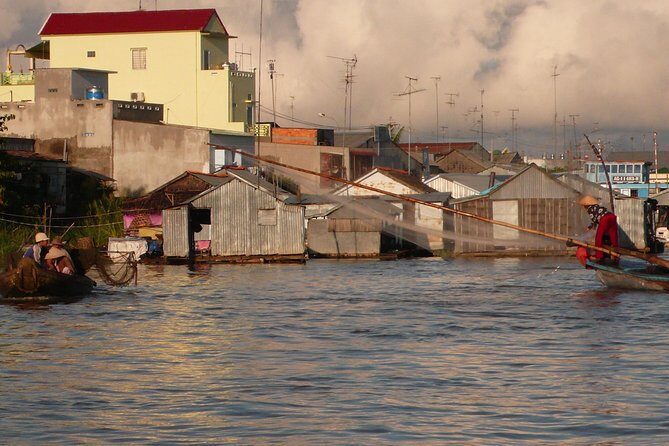
After Can Tho, you travel onward to Chau Doc. This is when the Mekong Delta shifts from markets and fruit gardens into wild nature.
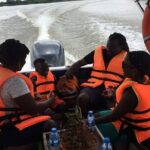
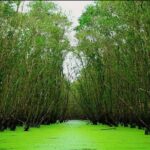
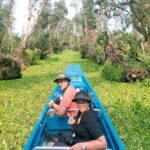
You tour Tra Su Sanctuary and its wild birds sanctuary area. The main experience here is the cruise on small boats through splendid canals deep into the forest. The boat size matters. You glide through narrow waterways where bigger boats can’t go, so you feel the environment rather than just watching it from a distance.
The tour includes bird spotting—storks, cranes, and other tropical birds. You won’t control the birds, but the setting is built for them, and it’s one of the best places on this route to feel what “water country” really means. Even if bird sightings vary, you still get the canal experience and the eerie quiet of a forest edge surrounded by water.
Once you return to Chau Doc town, there’s a hotel check-in for the night.
You can also read our reviews of more tours and experiences in Ho Chi Minh City

Day 3 on the floating village: fish farms, Cham weaving, and Mosque visits
Day 3 keeps the river theme but adds a cultural stop that many Mekong trips only mention briefly: the Cham minority and weaving.
After breakfast, you take a boat trip through the floating village to a fish farm. The focus here is how people raise fish in floating houses. It’s practical knowledge you can actually picture—structures built for water life, food supply chains, and day-to-day routines that make perfect sense once you see them.
Then you visit a Cham weaving village. This is where the tour gives you more than river views; it adds craft and identity. Weaving is slow work, and it’s often one of the most respectful ways to meet communities on their own terms.
Next is a stop at a local Islamic Mosque. Having that included helps broaden what “culture” means in the Mekong Delta beyond a single religious lane. You’re not just checking boxes—you’re getting a more complete snapshot of the people who call this region home.
At that point, you head back to Ho Chi Minh City, ending at the office.
Price and what you really get for $667.95 per person
At $667.95 per person for a 3-day private tour, you’re paying for more than “transport plus sights.” You’re paying for the full package of:
- Round-trip transfers from Ho Chi Minh City
- an English speaking guide through the whole route
- boat trips on the Mekong network (including market-area cruising and the Tra Su canal cruise)
- included meals (breakfast, lunch, and dinner where noted) plus bottled water and coffee and/or tea
- hotel accommodation (3-star) in the included option and the homestay option in Can Tho
- listed activities like Vinh Trang Pagoda, Vinh Trang boat day, orchard garden lunches, vermicelli soup making, Monkey bridge crossing, and Cham weaving
Is it cheap? No. But it’s also not “budget sightseeing” where you end up paying extra for every boat ride. If you’re comparing, look hard at what’s included: in this case, the itinerary centers around boats and guided cultural stops, and those are usually the parts that cost extra on flexible tours.
Where the value tilts most in your favor is when you want a private experience—your schedule can feel smoother, and the guide can keep the day coherent instead of breaking it into separate group tours.
Who this Mekong private tour suits best (and who should rethink)
This tour is a strong match if you:
- want a private 3-day plan with an English speaking guide
- enjoy boats, markets, and food-focused culture (floating markets plus vermicelli soup making)
- like nature moments, especially Tra Su Sanctuary canal cruising for bird habitat
- want a real rural taste, including options like Ben Tre canals and a Can Tho homestay
You might rethink it if:
- you’re easily tired by early starts and back-to-back transfers
- you prefer only hotel comfort with no rural housing-style night
- you don’t like boats or you’re worried about seasickness (the itinerary is boat-forward)
Tips to make it smoother day to day
A few practical moves will help you get more out of the days:
- Bring a light layer for boat rides; wind can change fast near water.
- If you choose the homestay option, treat it as part of the experience, not a “hotel substitute.”
- Wear smart casual clothing (that’s the dress code listed), but prioritize shoes that handle uneven, wet paths.
- If you want the food stops (fruit, honey tea, coconut candy), plan to travel lightly—gifts are common here and you’ll likely want to carry what you buy.
Should you book My Tho – Can Tho – Chau Doc for 3 days?
Yes, you should book if your priority is a guided, boat-centered Mekong Delta sweep that balances markets, rural villages, and nature. The biggest pull for me is the mix: Cai Rang for commerce energy, Ben Tre for canal life, and Tra Su for that quieter forest-and-water feeling.
If you want a simpler trip with minimal movement, you might choose fewer stops in a shorter time. But if you’re comfortable with a full schedule and want to see the Mekong Delta as a working region—then this private 3-day route makes a lot of sense.
FAQ
Is this tour private?
Yes. It’s listed as a private tour/activity, meaning only your group participates.
What time does the tour pick up in Ho Chi Minh City?
Pickup is listed around 7:30–8:00 a.m. from your hotel in Ho Chi Minh City.
Are meals included?
Yes. The itinerary includes meals as indicated: breakfast, lunch, and dinner where noted, plus bottled water and coffee and/or tea.
Can I choose vegetarian meals?
Vegetarian options are available. You need to advise at booking if you want vegetarian.
What should I wear?
The dress code is smart casual.
Do I need a passport?
Yes. A current valid passport is required on the day of travel.
What’s the cancellation rule if I need to change plans?
This experience is non-refundable and cannot be changed for any reason. If it’s canceled due to poor weather, you’ll be offered a different date or a full refund.
Are there any age requirements?
Children must be accompanied by an adult.