REVIEW · HO CHI MINH CITY
Remembering Long Tan- Nui Dat Battle : A Tour of Historic Sites
Book on Viator →Operated by Viet Kolors Tour · Bookable on Viator
Long Tan comes with real places. This day trip takes you from Ho Chi Minh City out to Nui Dat and the surrounding battle landmarks, then into the Long Phuoc Tunnels where ammunition was stored. It’s history you can point at, not just read about.
I especially like how the route focuses on specific ground-level spots: the 161 Kiwi artillery and the Luscombe bow, tied to a concert by Dottie and Col Joy during the fighting. Another big win is the human touch from the guide; in past trips, English-speaking guide Dingo Chien has brought the story to life with smart detail and Aussie humour. The one drawback is the pace: it’s a long day with early departure, so you’ll want comfortable shoes and patience for road time.
In This Review
- Key highlights to look for
- A Road Trip From Saigon to Nui Dat
- Morning Pickup at 7:30 and the Ba Ria Break
- Nui Dat to Long Tan: Artillery, Pads, Hills, and the Luscombe Bow
- 161 Kiwi Artillery: the firepower marker
- Kangaroo Pad: where movement and support fit in
- SAS hill: why height changes everything
- Luscombe airfield and bow: the story turns human
- How the Nui Dat circuit feels in one go
- The 6 RAR Flagpole and Horseshoe Hill: Remembering by Location
- Long Phuoc Tunnels: Ammunition Storage Underfoot
- The Guide Experience: Dingo Chien’s Strong Storytelling
- Price and Value for $107.10 With Entry, Lunch, and Fees
- What to Bring and How to Prepare
- Who This Tour Suits Best
- Should You Book This Long Tan–Nui Dat Tour?
- FAQ
- What time does the tour start?
- How long is the tour?
- What’s included in the price?
- Which main sites are visited?
- Are admission tickets included?
- Is it a private tour?
- Do I need to tip?
Key highlights to look for
- Nui Dat stop-by-stop viewing: 161 Kiwi artillery, Kangaroo Pad, SAS hill, Luscombe airfield, and Luscombe bow
- Memorial connections: the 6 RAR flagpole and the digger base area at Horseshoe Hill
- Long Phuoc Tunnels: you’ll see the tunnel complex used to store ammunition
- Guide impact: Dingo Chien is praised for clear English and strong command of 6 RAR personnel, weapons, and tactics
- Good value packaging: air-conditioned transport, lunch, bottled water, flowers, and fees included
- Private group format: only your group participates
A Road Trip From Saigon to Nui Dat
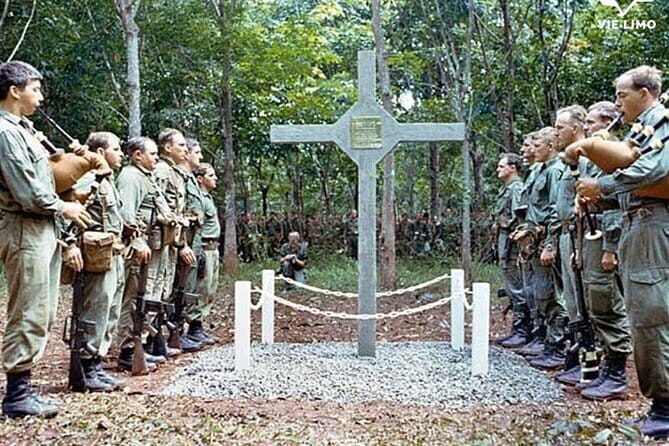
This tour has a simple goal: get you to the actual points tied to the Battle of Long Tan around Nui Dat. You start early from Ho Chi Minh City, ride south into Ba Ria–Vung Tau Province, and spend the day moving between outdoor sites and the tunnel complex. It works best if you like turning a story into geography—seeing the terrain and thinking, okay, that’s where the action would have unfolded.
The day is also built for comfort. You’ll be in an air-conditioned vehicle, with bottled water included. That matters because you’re outside for portions of the route. Even if it’s not scorching, you’ll still feel that long Vietnam-day rhythm.
You can also read our reviews of more historical tours in Ho Chi Minh City


Morning Pickup at 7:30 and the Ba Ria Break
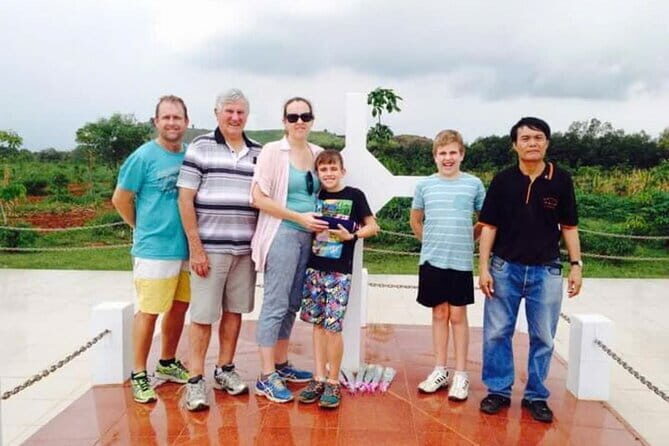
You’ll get picked up from your hotel around 7:30 AM in Ho Chi Minh City. From there, you head toward Ba Ria–Vung Tau Province and stop at the Ba Ria rest stop for a break. The schedule gives time to reset before the first major history stops.
This part matters more than it sounds. The Battle of Long Tan sites are not a quick photo stop. You need your brain switched on for names, locations, and why each spot matters. A proper break early helps you keep focus when the day starts stacking up.
If you’re sensitive to early starts, plan for that. One guide-led experience you’ll want to understand: Dingo Chien has been praised for insisting on an early departure even on New Year’s Day, so your morning start time should be treated as real and non-negotiable.
Nui Dat to Long Tan: Artillery, Pads, Hills, and the Luscombe Bow
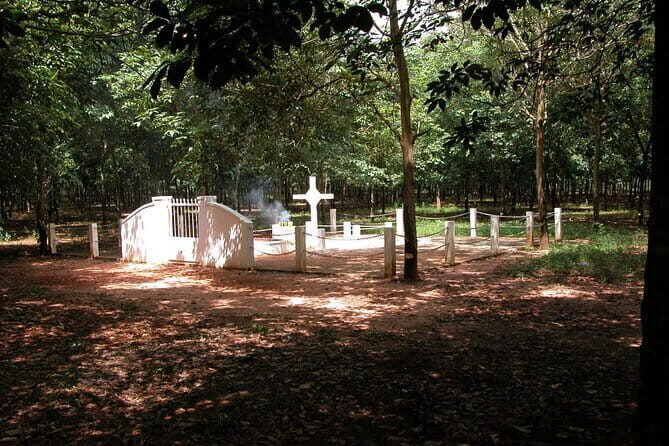
The heart of the day is the drive into the Nui Dat army base area and a structured walk-through of key battle sites. The tour follows Nui Dat military maps, which is a big deal for making sense of what you’re seeing. Without that kind of orientation, these places can feel like separate landmarks. With it, they start connecting.
Here’s what to expect at the stops tied to the battle story:
161 Kiwi Artillery: the firepower marker
You’ll visit the 161 Kiwi artillery site. Think of this as the anchor point for understanding how the battle is remembered through equipment and location. Even if you’re not a military-history person, seeing the artillery context helps you grasp why certain areas were so contested.
I like this stop because it’s tangible. Artillery has a physical presence, and that makes the story feel less abstract. You don’t have to imagine what it looked like—you’re standing near a specific place associated with the battle.
Kangaroo Pad: where movement and support fit in
Next is Kangaroo Pad. The name alone hints at an operational purpose: this is the kind of spot where troops, supply, or support movements would have been planned and executed. You’re not just touring a monument; you’re learning how the battlefield functioned day-to-day.
If you enjoy military logistics (or even just how humans manage chaos), you’ll get a lot from this section.
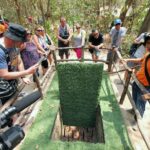



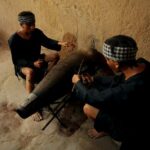

SAS hill: why height changes everything
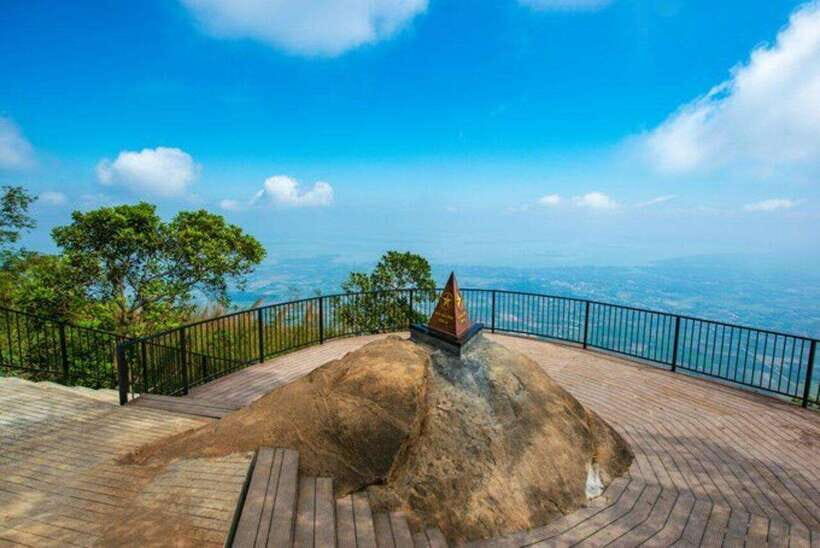
Then you’ll head to SAS hill. High ground is a recurring theme in almost every battle story because visibility and control matter. Seeing the hill position lets you picture observation, decision-making, and engagement lines more clearly than reading alone.
Luscombe airfield and bow: the story turns human
You’ll also visit the Luscombe airfield and the Luscombe bow. The airfield gives you the support-and-movement angle. The bow adds something more personal.
At the Luscombe bow, the tour highlights a remarkable detail: during the Battle of Long Tan, little Dottie and Col Joy performed a concert. That’s the kind of fact that changes how you feel about the places. It turns the battlefield from pure strategy into lived experience.
You might not expect a concert reference in a military site tour, and that’s exactly why it sticks. It reminds you that even in the middle of violence, people still tried to keep a thread of normal life.
How the Nui Dat circuit feels in one go
The schedule gives about 2 hours for the battle-site segment. In practice, that’s enough time to see the key points without turning the tour into a sprint. Still, the day can feel packed, especially after the morning drive.
Tip: pace your photos. If you’re constantly stopping for pictures, you’ll miss the guide’s connections between spots.
The 6 RAR Flagpole and Horseshoe Hill: Remembering by Location
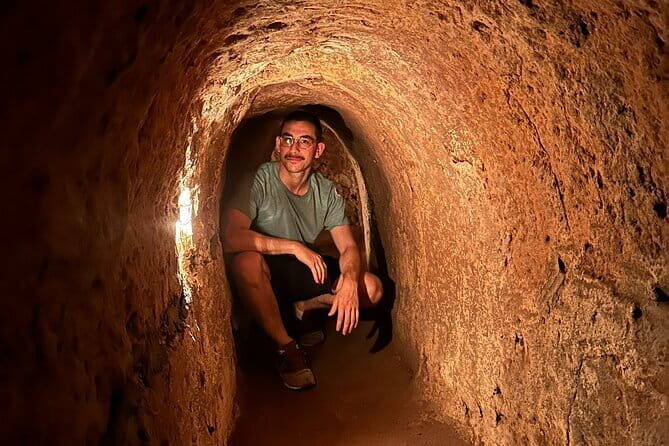
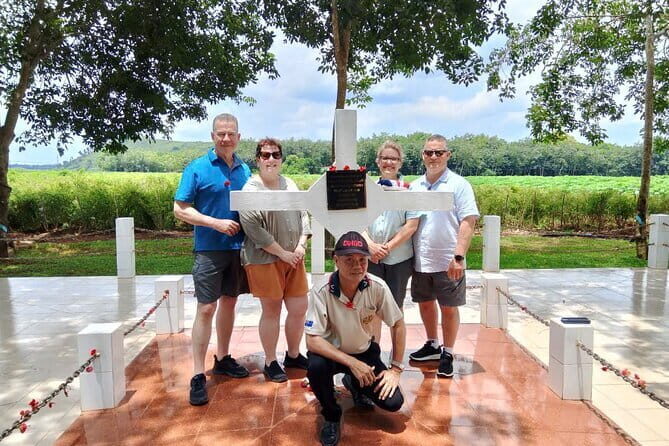
After the main Nui Dat circuit, you’ll go to the 6 RAR flagpole, the second memorial site on this route. Memorials are important, but they work best when you understand what you’re looking at. This tour keeps that link strong by placing the flagpole within a sequence of nearby battle-relevant sites.
Then you’ll visit Horseshoe Hill, described as another base where the diggers were stationed. This stop shifts your focus a bit from the more famous markers to the practical question: where were the troops positioned, and how did that shape their ability to respond?
I like Horseshoe Hill because it helps balance the emotional side of memorials with the physical reality of deployment. You end up with a more complete mental map of the area.
Long Phuoc Tunnels: Ammunition Storage Underfoot
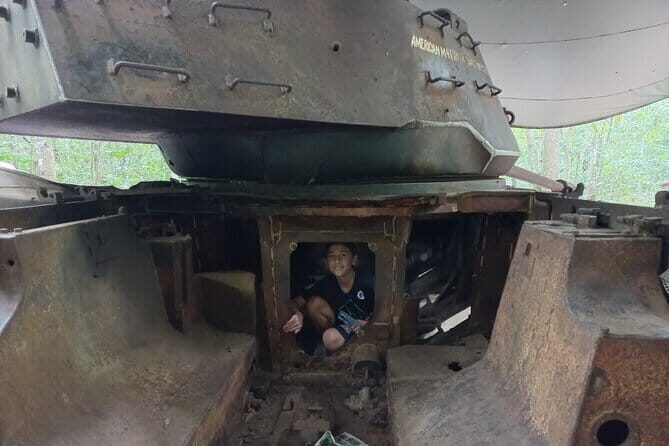
The final major stop is the Long Phuoc Tunnels, with about 1 hour on site. These tunnels were used as storage for ammunition. That’s a direct, clear purpose, and it makes the tunnel visit feel more grounded.
What you get from a stop like this is perspective. On the surface you’re seeing the battlefield geography; underground you’re seeing the infrastructure that kept the fighting supplied. Ammunition storage changes the stakes of everything above it. It also highlights the cost of logistics, not just the drama of combat.
This is also the part where you’ll want to pay attention to your comfort. Tunnels can feel close, and the schedule gives a limited time window. Go at a steady pace, and don’t rush your footing.
If you dislike confined spaces, consider that before booking. The tour duration is still reasonable, but this is the stop most likely to feel physically different from the open-air sites.
The Guide Experience: Dingo Chien’s Strong Storytelling
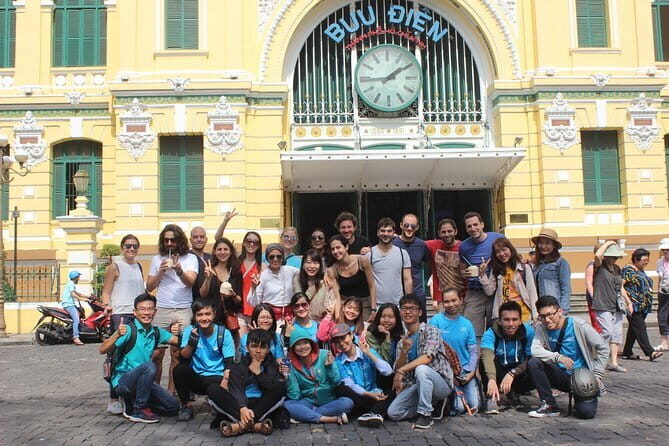
A major reason people rate this tour highly is the guide. In the trip history you shared, Dingo Chien stands out for a few practical reasons.
First, his English gets praise for being clear. Second, he’s credited with strong coverage of 6 RAR key personnel, weapons, and tactics—the kind of detail that helps you connect the locations you’re visiting. Third, he uses humour and understands Australian slang, which keeps the day from turning into a dry lecture.
I find that balance matters for battlefield tours. You want accuracy, but you also want the energy to keep you engaged through a long drive and multiple stops. If your guide is Dingo Chien, you’re likely to get a day that feels like a guided story with context, not a checklist.
Price and Value for $107.10 With Entry, Lunch, and Fees

At $107.10 per person for about 7 hours, this isn’t just a bus ride with a few stops. You’re paying for transport, an English-speaking guide, and the bundled costs that can otherwise add up.
Here’s what’s included in a practical way:
- Air-conditioned vehicle
- Lunch
- Bottled water
- All fees and taxes
- Flowers
- Convenient pick-up and drop-off at your hotel
- A guide who communicates in English
- Admission included for the battle-site stop and the tunnel stop
Two details affect value most:
- Admission is included at the key history stops (the long Tan battle area and Long Phuoc Tunnels). That reduces extra costs on arrival.
- Lunch and water remove the hassle of meal planning when your day starts early and ends late.
The main thing to watch is that it’s structured and time-based. You’re not free-styling a full day on your own. If you want total flexibility, this format might feel a bit strict. If you like guided order and a clear path, it’s a good deal.
Also note: tips aren’t included, so you’ll want to budget a little for that if you feel the guide earned it.
What to Bring and How to Prepare
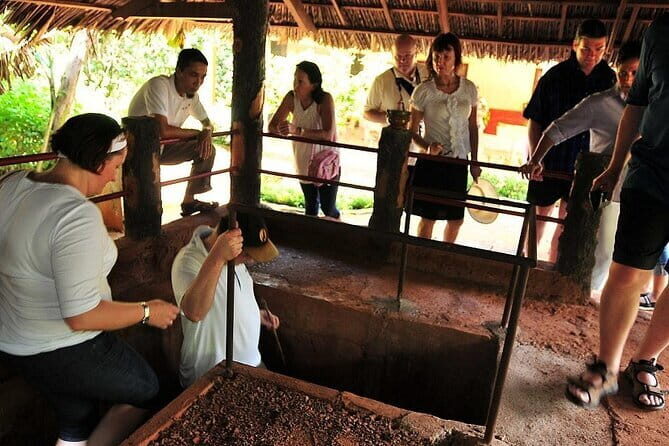
This day is outdoors for portions and focused on walking between sites. Pack like you’re going somewhere warm and dusty, because even when it’s not hot, Vietnam sun and breeze add up.
I’d bring:
- Comfortable walking shoes
- A hat and sunscreen
- A light layer for air-conditioning (some rides can feel chilly)
- Your camera, but leave time to listen
Even though you’ll get bottled water, don’t treat that as your only water plan. If you’re the type who drinks a lot, bring a small personal stash too.
If you care about photos at the memorial stops, give yourself a moment before you start shooting. Look first, then frame.
Who This Tour Suits Best
This fits best if you:
- Want a structured route tied to the Battle of Long Tan locations around Nui Dat
- Like battlefield geography—seeing names like SAS hill, Kangaroo Pad, and Luscombe places in real space
- Appreciate a guide-led explanation with clear English and story connections
- Prefer having transport and lunch handled for you
It may be less ideal if you want a casual, slow-paced day with minimal content. This is a history-driven route with multiple specific stops, so you’ll be thinking the whole time.
Should You Book This Long Tan–Nui Dat Tour?
I’d book it if you want the most efficient way to see the key sites in one day, with hotel pickup, lunch, and entry included where it counts. The value is strongest when you trust a solid guide to connect the dots between places—especially with a guide like Dingo Chien, who’s been praised for strong English and for linking details about 6 RAR to the sites you’re visiting.
Skip it only if early mornings and a packed schedule will wear you down fast, or if confined spaces like the Long Phuoc Tunnels would be uncomfortable for you.
FAQ
What time does the tour start?
The start time is 7:30 AM, with hotel pickup around that time in Ho Chi Minh City.
How long is the tour?
The tour lasts about 7 hours.
What’s included in the price?
It includes an air-conditioned vehicle, lunch, bottled water, flowers, an English speaking guide, all fees and taxes, and convenient hotel pickup and drop-off.
Which main sites are visited?
You’ll visit Nui Dat-related sites including 161 Kiwi artillery, Kangaroo Pad, SAS hill, Luscombe airfield, and Luscombe bow, plus the 6 RAR flagpole and Horseshoe Hill. You’ll also visit the Long Phuoc Tunnels.
Are admission tickets included?
Yes. Admission is included for the Battle of Long Tan stop and the Long Phuoc Tunnels stop. Other parts list ticket-free time.
Is it a private tour?
Yes. It’s listed as a private tour/activity, and only your group participates.
Do I need to tip?
Tipping is not included. A tip is optional.